BlackRock CEO Larry Fink Compares Tokenization to the Internet in 1996: A Financial Revolution Beckons

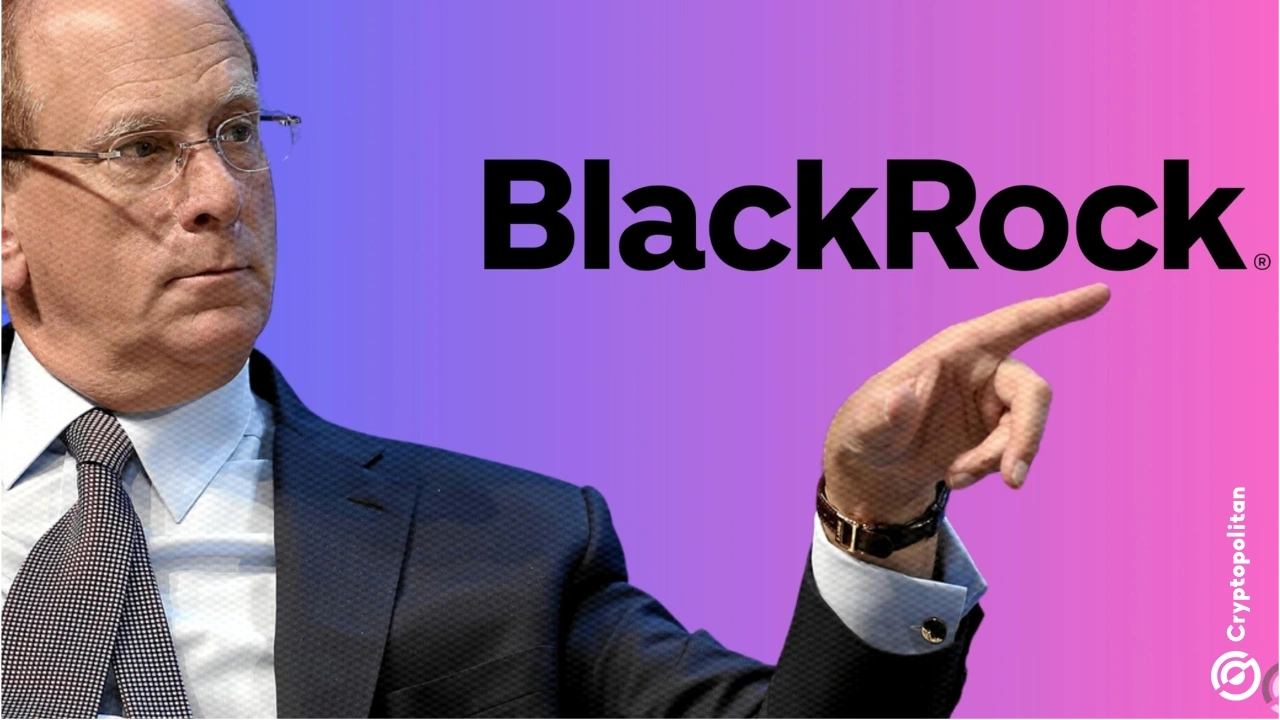
BlackRock CEO Larry Fink has issued a stark warning about structural weaknesses in the U.S. financial system, drawing a direct parallel between today's asset tokenization and the transformative potential of the internet in the mid-1990s. In his annual letter to shareholders, Fink highlighted a growing imbalance where market gains predominantly benefit existing asset holders, leaving many excluded from wealth creation. He explicitly linked rising inequality, soaring government debt, and low capital market participation to flaws in the current model, stating, 'Capitalism is working—just not for enough people.' Fink's comments underscore a critical push for broader financial inclusion through technological innovation, positioning tokenization as the next seismic shift in finance.
Fink outlines how tokenization expands market access
Fink argued that tokenization could modernize financial infrastructure by making it easier to issue, trade, and hold assets. In digital form, ownership of securities such as bonds or funds can be faster and cheaper. As a result, this shift could reduce friction in conventional financial procedures.
He also pointed to increased use of digital wallets. While there is a lot of support for payments now, Fink said that could potentially evolve into investment platforms. In such a setup, users hold their own tokenized assets, such as ETFs, bonds, and fractional ownership interests in infrastructure or private credit.
Moreover, he compared the current stage of tokenization to the early internet era. Adoption, he indicated, will probably be slow rather than immediate. Therefore, he called on policymakers to develop frameworks to support both innovation and investor protection. Fink also urged clear standards surrounding digital identity, counterparty risk, and protection against illicit activity.
Congress prepares to examine tokenized markets framework
Meanwhile, U.S. lawmakers are gearing up to review how tokenized assets fit into existing financial regulations. The House Financial Services Committee is scheduled to hold a hearing on “Tokenization and the Future of Securities: Modernizing Our Capital Markets.”
The meeting will take place next Wednesday at 10:00 a.m.ET and will include policymakers and representatives of the industry. One of the witnesses scheduled to appear is Summer Mersinger, the CEO of the Blockchain Association.
🚨NEW: The @FinancialCmte is planning to host a hearing on tokenization next Wednesday at 10AM EST.@BlockchainAssn CEO @SummerMersinger is among the scheduled witnesses. pic.twitter.com/3eYJPYD7Is
— Eleanor Terrett (@EleanorTerrett) March 20, 2026
At the same time, recent regulatory actions signal that tokenization is moving beyond theory and into practice. The U.S. Securities and Exchange Commission has approved a Nasdaq proposal to conduct tokenized versions of select securities. Under the pilot program, tokenized trading will be available for some Russell 1000 stocks and index ETFs. However, the structure preserves existing market systems.
According to the SEC, “Nasdaq market participants that are eligible to participate in the DTC Pilot would be able to trade tokenized versions of certain equity securities and exchange-traded products on the Exchange that are eligible for tokenization as part of the DTC Pilot.” Nasdaq compared the shift to previous market changes, such as decimalization and electronic trading.
There’s a middle ground between leaving money in the bank and rolling the dice in crypto. Start with this free video on decentralized finance.
