IEA Warns: Iran War Triggers Global Energy Crisis After 40 Major Assets Damaged, Oil Supply Disrupted

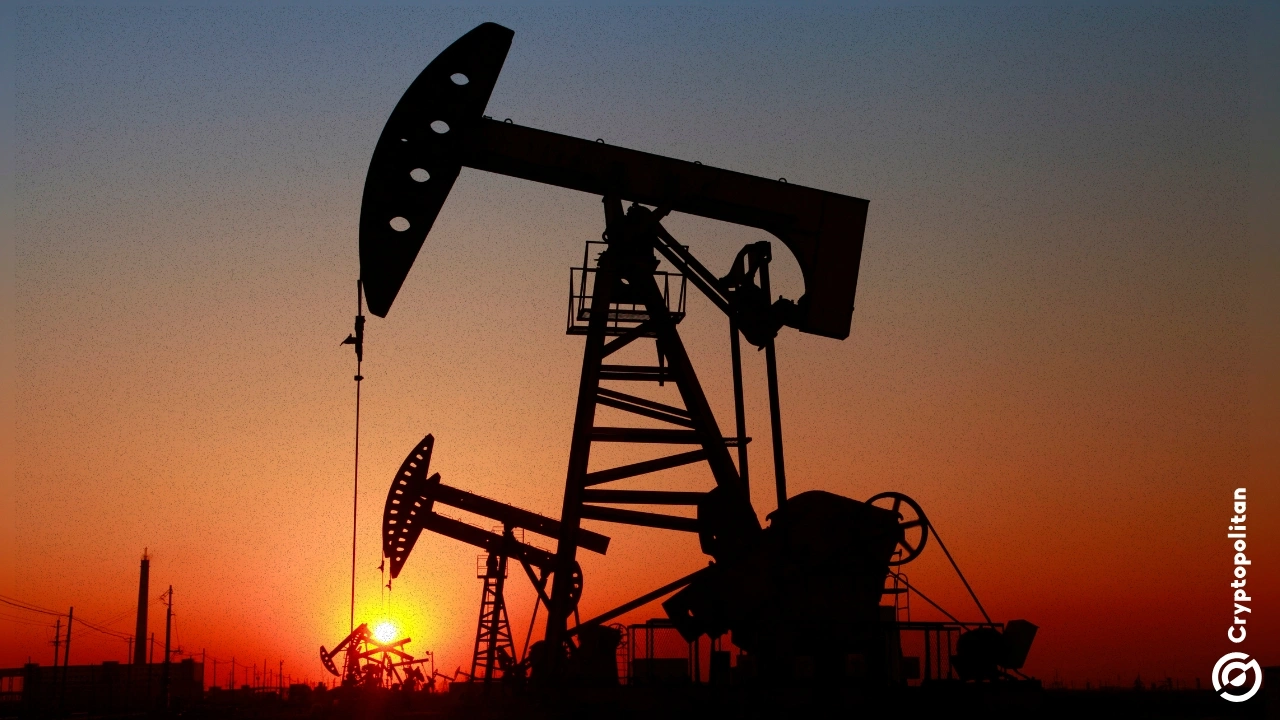
The International Energy Agency (IEA) has issued a dire warning that the Iran conflict is sparking a global energy crisis worse than the 1970s and 2022 shocks combined. Executive Director Fatih Birol revealed that 40 major energy assets—including oil fields, refineries, and pipelines across nine Middle Eastern nations—have been severely damaged, forcing a critical reassessment of energy security and accelerating the shift toward decentralized digital assets like Bitcoin as a hedge against traditional market turmoil.
Why are energy assets being targeted?
The destruction of various energy assets across the Middle East is part of a broader escalation of the war between Iran, the U.S., and its involved allies. Energy infrastructure has become a key target for both sides in this conflict as an attempt to exert economic pressure. This strategy can also be seen in application with the Iranian closure of the Strait of Hormuz, which controls the passage of roughly a fifth of the world’s oil supply.
However, the destruction and disruption of global oil infrastructure could escalate into a wider energy crisis in the region if the war continues to escalate. U.S. President Donald Trump threatened to bomb Iranian power plants on Saturday if the Iranian government did not reopen the Strait of Hormuz by this Monday.
The Iranian government responded to this threat by vowing to destroy all U.S. and Israeli-owned energy, information technology, and desalination infrastructure in the region if attacks were carried out.
How global markets are responding to the escalation
The Iran war has had a rough impact on the global economy as the conflict enters its fourth week. Since it began on February 28th, oil prices have risen between 40-60% globally. Before the war, oil prices were around $70 a barrel. It has since climbed to over $100, even peaking at $115 during periods of high escalation and uncertainty. There have been pullbacks along the way, but overall, consumers globally have seen a significant rise in gas prices in just a short period of time.
The price of gold, which is typically considered a safe-haven asset during times of global uncertainty, has actually declined in value by 15-18% since the start of the war. Equity markets have also been suffering, with the S&P 500 down roughly 5% in the same time frame.
Cryptocurrency markets, on the other hand, have shown incredible resilience during this period of global uncertainty. Despite initial price shocks around the onset of the conflict, the price of Bitcoin and Ethereum have since outperformed both gold and stocks. Both assets have risen by roughly 10% during this time frame.
There’s a middle ground between leaving money in the bank and rolling the dice in crypto. Start with this free video on decentralized finance.
