Binance Strikes Back: Crypto Giant Sues Wall Street Journal Over ’Defamatory’ Iran Sanctions Report

Binance has launched a defamation lawsuit against the Wall Street Journal, alleging the publication knowingly published false claims regarding the exchange's compliance controls and sanctions data handling. The legal action, filed today in the Southern District of New York, centers on a February report claiming the exchange processed over $1 billion for sanctioned Iranian entities.
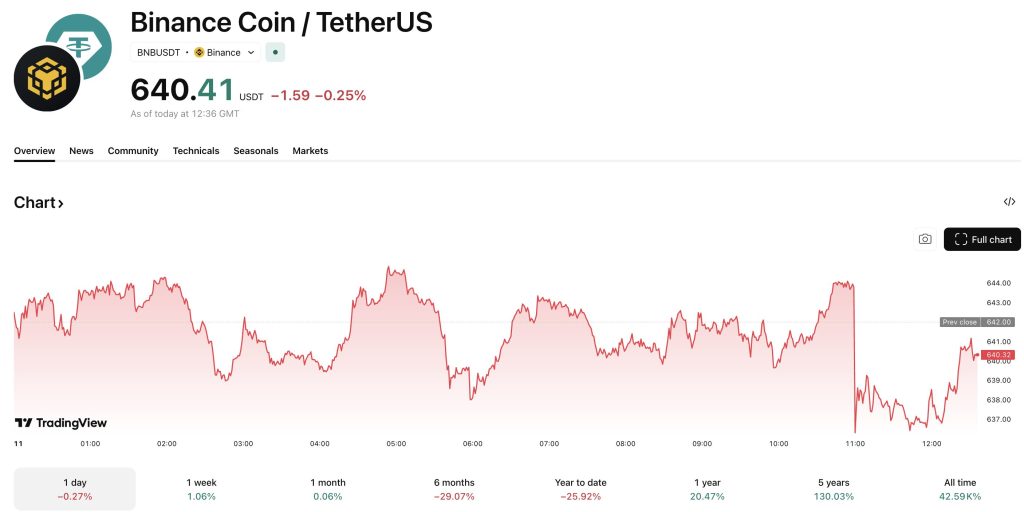 SOURCE: TradingView
This news has led to the BNB price dropping 1% in the past hours, to $640, as investors are seemingly spooked at yet another potential legal dispute involving Binance.
CEO Richard Teng has condemned the reporting as inaccurate, stating the outlet ignored documented evidence provided before publication.
 BREAKING:
Binance launches defamation lawsuit against the Wall Street Journal over Iran sanctions report. pic.twitter.com/8qdrf9rXcD
What’s the WSJ Report Actually Alleged And Why Binance Says It’s Wrong
The Wall Street Journal article, titled “Binance Fired Staff Who Flagged $1 Billion Moving to Sanctioned Iran Entities,” depicted a chaotic internal struggle at the world’s largest crypto exchange.
It is alleged that compliance staff were fired not for policy breaches, but for doing their jobs identifying illicit flows.
Specifically, the report claimed Binance processed $1.7Bn in transactions linked to Iranian entities, including a Hong Kong-based fiat-to-crypto converter called “Blessed Trust.”
According to the Journal, this activity continued despite internal red flags. The report immediately triggered a regulatory inquiry.
US Senator Richard Blumenthal cited the article as grounds for demanding a formal investigation into the exchange’s operations, which Binance CEO Richard Teng responded to on March 6, denying all claims.
The allegations arrived during a sensitive period for crypto regulation, mirroring the pressure seen as Democrats introduce bills to ban platforms like Polymarket over compliance concerns.
We’ve voluntarily responded to Senator Blumenthal’s inquiry which raises false and defamatory allegations reported by the WSJ. While we take such matters seriously, it’s important for us to highlight our industry-leading compliance which we've worked hard to build and protect our… pic.twitter.com/qOZ7h1y5nu
— Richard Teng (@_RichardTeng) March 6, 2026Binance Fires Back: 19 Ignored Responses and a 96.8% Compliance Claim
Binance’s defense hinges on what it calls willful disregard for the facts. The exchange claims it sent the WSJ 19 detailed responses and answered 27 specific questions before the publication deadline, none of which appeared in the final story.
Richard Teng publicly rejected the narrative, emphasizing that the employees in question were dismissed for data policy violations, not for flagging sanctions evasion.
The exchange cited hard numbers to counter the defamation claims. Binance states it has achieved a -96.8% reduction in sanctions exposure risks through upgraded protocols. Currently, more than 1,500 employees, nearly a quarter of the workforce within Binance, work in compliance.
Regarding the specific “Blessed Trust” account, Binance clarified that the entity was offboarded and reported to law enforcement in 2025, long before the WSJ report suggested the activity was ongoing.
WSJ:The Justice Department is investigating Iran’s use of Binance to evade U.S. sanctions. Investigation focuses on money flowing through crypto platform to network backing terror groups, including Yemen’s Houthi militants.
The WSJ said the investigation came after Binance… pic.twitter.com/ZLplEnWakR
What This Means for Binance and the Broader Crypto-Media Relationship
This lawsuit seeks compensatory and punitive damages, arguing the report caused harm that no simple correction can fix. The legal action follows a significant win for Binance on March 7, when a federal judge dismissed a separate lawsuit alleging the exchange facilitated terrorist financing.
That court found no material support was provided, strengthening Binance’s position that it is not liable for the actions of bad actors who might attempt to access the platform.
Traders are watching this case closely as a test of the “actual malice” standard in crypto reporting. While the exchange settled with the DOJ in 2023 for $4.3Bn over historical failures, this aggressive legal stance signals a refusal to accept what it deems false narratives about its current operations.
The focus now shifts to the WSJ’s response and whether the regulatory inquiry sparked by the article will sustain momentum without the supporting media narrative.
We will continue to update this story as more details emerge over the coming days and weeks.
