Hyperliquid’s Bold Bet: New Proposal Pushes DeFi Into Prediction Market Territory

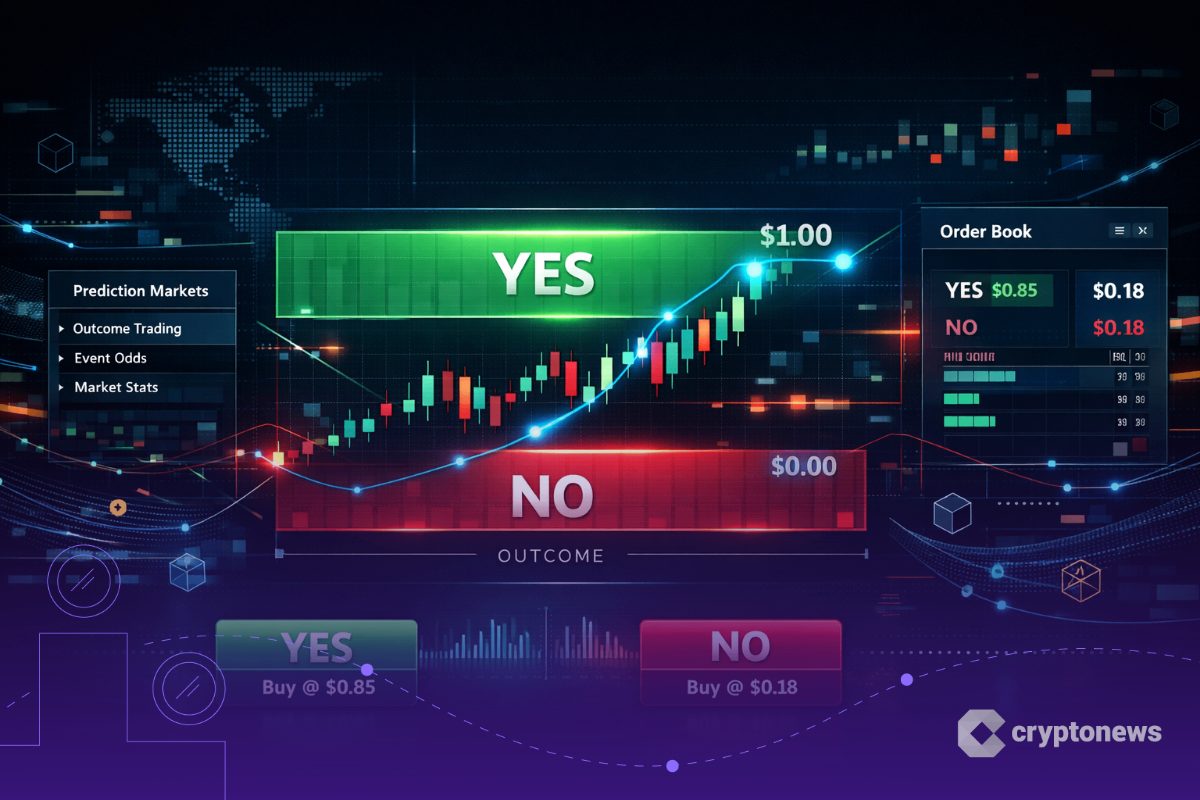
Hyperliquid isn't just building another exchange—it's betting on the future. Literally. A new governance proposal aims to pivot the high-performance L1 protocol into the speculative, high-stakes world of prediction markets. This isn't a side project; it's a core protocol evolution.
The Mechanics of a Market-Maker
Forget simple swaps. The proposal outlines a native integration where users can create and trade event contracts. Think political outcomes, sports results, or tech milestones—all settled automatically on-chain. It leverages Hyperliquid's existing low-latency infrastructure and deep liquidity pools, turning every trader into a potential bookmaker. The protocol itself would take a cut, creating a new, potentially massive, revenue stream.
Why Prediction Markets? Why Now?
DeFi's search for the next 'killer app' beyond lending and memecoins is relentless. Prediction markets offer a use-case with real-world traction and a proven, if niche, demand. By baking it directly into the L1, Hyperliquid could offer a seamless, composable experience that standalone platforms can't match. It's a classic crypto move: find a fractured traditional market, promise to make it efficient, and capture the value in the middle—just ask any former forex broker now running a Telegram channel.
The Bull Case vs. The Regulatory Fog
The upside is a massive new market for attention and capital. It could drive unprecedented volumes and user engagement, locking value directly into the Hyperliquid ecosystem. The downside? It's a regulatory minefield dressed up as a tech innovation. While the proposal champions decentralization as a shield, global financial watchdogs have a long history of seeing 'innovative betting' and calling it, well, betting. It's a high-risk, high-reward play that could define the protocol's trajectory for years to come.
Hyperliquid's move signals a broader hunger in DeFi for utility that feels tangible. Whether this becomes a masterstroke or a cautionary tale depends less on code and more on how the old world decides to read it. Place your bets.
Testnet Phase Sets Stage For Broader Deployment
It also positioned the feature as a building block that can work alongside portfolio margin and HyperEVM, signalling a push to widen what developers can build on top of its stack.
HyperCore will support outcome trading (HIP-4). Outcomes are fully collateralized contracts that settle within a fixed range. They are a general-purpose primitive that are useful for applications such as prediction markets and bounded options-like instruments. There has been…
— Hyperliquid (@HyperliquidX) February 2, 2026For now, the company said the feature remains in testnet, with canonical markets planned after technical work wraps up.
Hyperliquid added that those initial markets will rely on objective settlement sources, be denominated in USDH, and may later expand to permissionless deployment depending on user feedback.
CFTC Signals Fresh Framework For Prediction Markets
The timing matters because prediction markets are moving from the fringe to the regulatory agenda. Commodity Futures Trading Commission chairman Michael Selig said last week the agency is preparing a new rulebook for prediction markets, as platforms such as Polymarket and Kalshi draw billions in activity by letting users trade yes or no outcomes across politics, pop culture, and more.
That regulatory shift is already reshaping the competitive landscape. Polymarket has re-entered the US market after receiving approval from the CFTC through an Amended Order of Designation, a MOVE that could make event contracts a new engagement tool for major crypto platforms such as Coinbase, according to a Clear Street report by analyst Owen Lau.
Polymarket, which had been restricted from serving US customers since 2022, has launched a US-based application that starts with a limited set of sports-focused event contracts, with categories such as politics and crypto expected to follow over time.
Hyperliquid’s proposal reads as an attempt to meet that moment with infrastructure first, aiming to give traders and builders a simpler, fully collateralized way to express views on outcomes while regulators and platforms spar over where prediction markets fit inside existing rules.
If HIP-4 moves from testnet to production, it WOULD place Hyperliquid more directly in the widening race to package prediction markets as a mainstream crypto product, just as policy scrutiny and consumer demand start pulling the space in the same direction.
