Incoming Demand Shock & Multiplier Effect: Crypto Market Braces for Explosive Momentum, Warns Sygnum CIO Fabian Dori

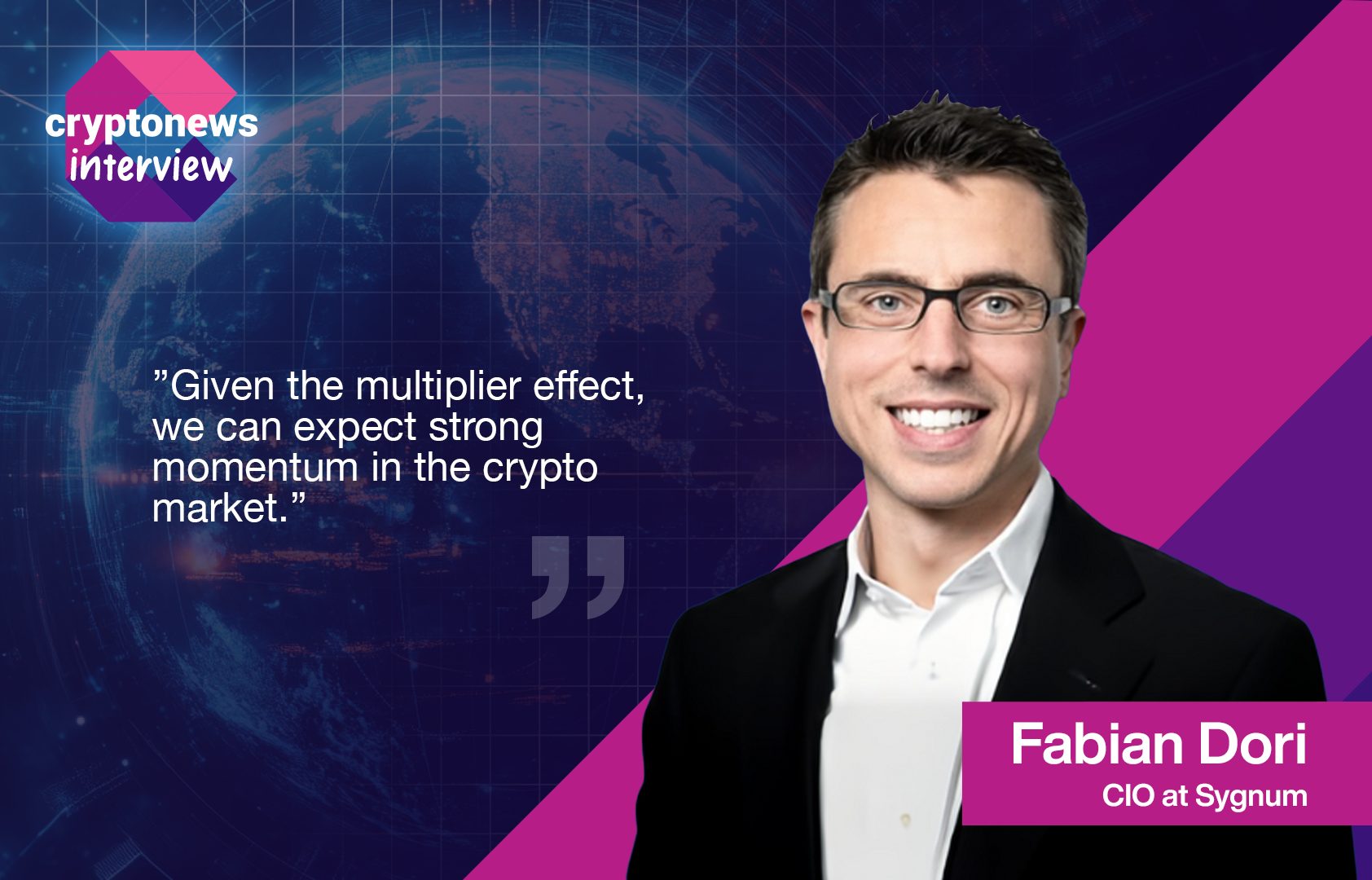
Forget gradual growth—the crypto market's gearing up for a demand shock that could send valuations into the stratosphere.
Sygnum Bank's Chief Investment Officer, Fabian Dori, points to a classic economic multiplier effect taking shape in digital assets. New capital isn't just entering; it's circulating, creating velocity, and amplifying every dollar of inflow.
The Setup for a Shockwave
Traditional finance channels are finally opening the taps. Institutional pipelines, once clogged with skepticism, are clearing. Each new product launch, each regulatory nod, acts as a catalyst—pulling more capital off the sidelines and into the ecosystem.
That capital doesn't sit still. It flows from Bitcoin into Ethereum, fuels DeFi protocols, and sparks speculative runs on altcoins. This internal churn is the multiplier in action. One dollar of fresh investment can generate several dollars of economic activity across the chain—a reality Wall Street models still struggle to price in.
Momentum Begets Momentum
This isn't just about price. It's about network effects hitting critical mass. Developer activity, user onboarding, and transaction volumes all feed the cycle. Positive sentiment attracts more builders, whose applications attract more users, which in turn justifies higher valuations. It's a self-reinforcing loop that traditional assets can only dream of.
The trigger could be anything: a major sovereign wealth fund allocation, a breakthrough in scalable privacy, or simply the old-fashioned fear of missing out. The infrastructure is now robust enough to handle the influx without buckling—a stark contrast to the fragile systems of cycles past.
Of course, the suits in traditional finance will call it irrational—right up until they're forced to rebalance their portfolios to catch the wave. Their models, built for predictable cash flows and gentle curves, are about to meet the exponential.
The stage is set. The mechanisms are primed. All that's missing is the spark.
