From NFTs to Dinosaur Bones: Why Crypto’s Wealthiest Are Betting on Ultra-Rare Tangible Assets

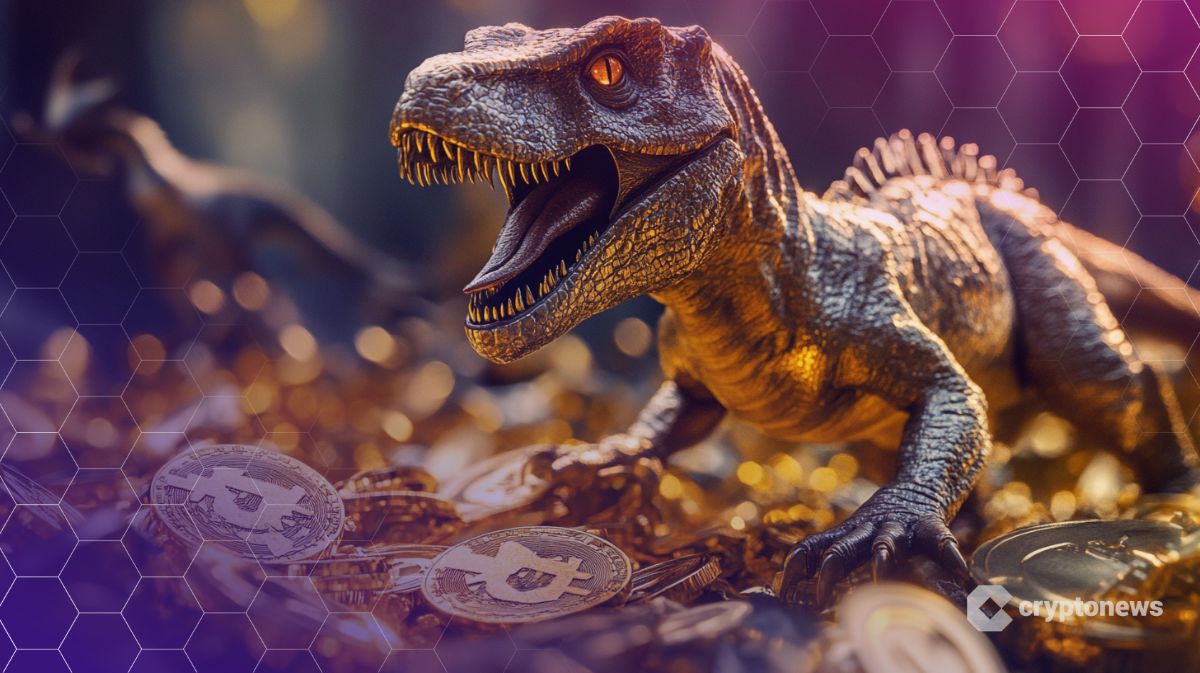
The digital gold rush is getting physical. After minting fortunes from pixels and code, cryptocurrency's elite are now turning their attention—and their wallets—toward the rarest assets of all: those you can actually touch.
Beyond the Blockchain
It's a pivot that's rewriting the playbook for ultra-high-net-worth investing. Forget yacht collections and private islands—today's crypto winners are hunting for one-of-a-kind historical artifacts, pristine natural specimens, and tangible pieces of human legacy. Think dinosaur skeletons, not digital apes.
The Tangible Trust Factor
This isn't just diversification for its own sake. It's a fundamental shift in how new wealth seeks permanence. Digital assets offer liquidity and programmability, but a Tyrannosaurus rex femur offers something no smart contract can: undeniable, physical scarcity that has weathered millions of years. It's the ultimate hedge against technological obsolescence—and regulatory overreach.
A New Store of Value
The move signals a maturation of crypto capital. Profits from volatile markets are being parked in assets with proven, centuries-long value narratives. These aren't trades; they're legacy purchases. It's portfolio armor-plating in a world where a government can't exactly seize a fossilized triceratops skull from a Swiss vault. (Try explaining that one to the taxman.)
The ultimate irony? The crowd that championed 'decentralize everything' is now building the most centralized form of wealth imaginable: owning the only one of something that exists. Guess some human instincts—like showing off a really, really expensive rock—are harder to disrupt than finance.
Inside the Vault Where Crypto Wealth Meets Dinosaur Bones
When Bloomberg’s Suvashree Ghosh visited the vault with Turpin and co-owners including collectibles entrepreneur Chaw Wei Yang, the dinosaur wasn’t the only surprise.
The halls were lined with tokenized Gold bars, fine art, rare wine, and hard drives holding hundreds of millions in digital assets, a real-world archive of crypto wealth that has spilled far beyond the blockchain, per the report.
Turpin told the media that the splurge was partly passion, partly prestige, echoing a trend that has swept through the upper tiers of the industry.
Just last year, Citadel’s Ken Griffin paid $44.6 million for a near-complete stegosaurus, the highest price ever for a fossil at auction.
For crypto’s nouveau riche, the shift from NFTs to fossils marks a broader turn toward ultra-scarce, tangible collectibles, assets that can’t suddenly vanish in a protocol upgrade.
However, while some crypto figures are digging up dinosaurs, others are building new digital-asset infrastructure.
BAYC falls below 5 ETH for the first time since August 2021
NFTs had been down bad and its poster child, BAYC, is no exception
But there’s a catalyst beyond the broader NFT market that’s leading to BAYC being down below 5ETH…
What is it?
ApeCoin staking rewards ends today… pic.twitter.com/rfwZG1DHr1
Malaysia’s crown prince, Tunku Ismail Ibrahim, recently launched RMJDT, a ringgit-backed stablecoin under his firm Bullish Aim.
AirAsia parent Capital A and Standard Chartered Bank Malaysia are also exploring a ringgit-pegged token as part of the country’s digital asset pilot programs, signaling growing interest in regulated stablecoin projects.
Meta Retreats From Metaverse as AI Glasses Take Center Stage
As reported, Meta is reducing investment in its metaverse division and shifting its focus to AI-powered glasses and wearable devices, reflecting one of its biggest strategic resets in years.
The move follows rising investor skepticism over the commercial viability of VIRTUAL worlds and large-scale VR platforms.
The company has spent more than a decade and billions of dollars building out its metaverse vision, including rebranding to Meta in 2021.
However, user growth on Horizon Worlds has stagnated, and headset sales have repeatedly fallen short of expectations.
Bloomberg reported that metaverse spending may be cut by as much as 30%, a signal to markets that the company is rebalancing priorities.
Meanwhile, NFT sales have slumped to their lowest levels of the year, with monthly volume dropping to $320 million in November, roughly half of October’s total.
Early December data shows only $62 million in sales during the first week, signaling that the slowdown is likely to continue as demand for digital collectibles weakens.
The downturn reflects a steep drop in NFT valuations across the board. CoinGecko data shows the sector’s market capitalization has fallen to $3.1 billion, a 66% decline from January’s $9.2 billion peak.
