Bank of England Shocks Crypto Market: £20,000 Stablecoin Cap Proposal Threatens Investor Freedom

The Bank of England just dropped a regulatory bombshell—proposing a £20,000 ceiling on individual stablecoin holdings. Critics call it a velvet-gloved crackdown on crypto’s safest haven.
Stablecoins in the Crosshairs
Threadneedle Street’s latest move reeks of old-money panic. By capping dollar-pegged assets at £20k, the BoE isn’t protecting consumers—it’s gatekeeping financial innovation while traditional banks hemorrhage trust.
The Irony of ‘Stability’
Regulators foam at the mouth over crypto volatility, then kneecap the one asset class that solved it. Meanwhile, the pound’s purchasing power keeps eroding—but sure, let’s ‘protect’ people from 1:1 USD equivalents.
This isn’t policy—it’s legacy finance’s last stand. The decentralized genie won’t go back in the bottle, no matter how many arbitrary limits central bankers scribble on their parchment.
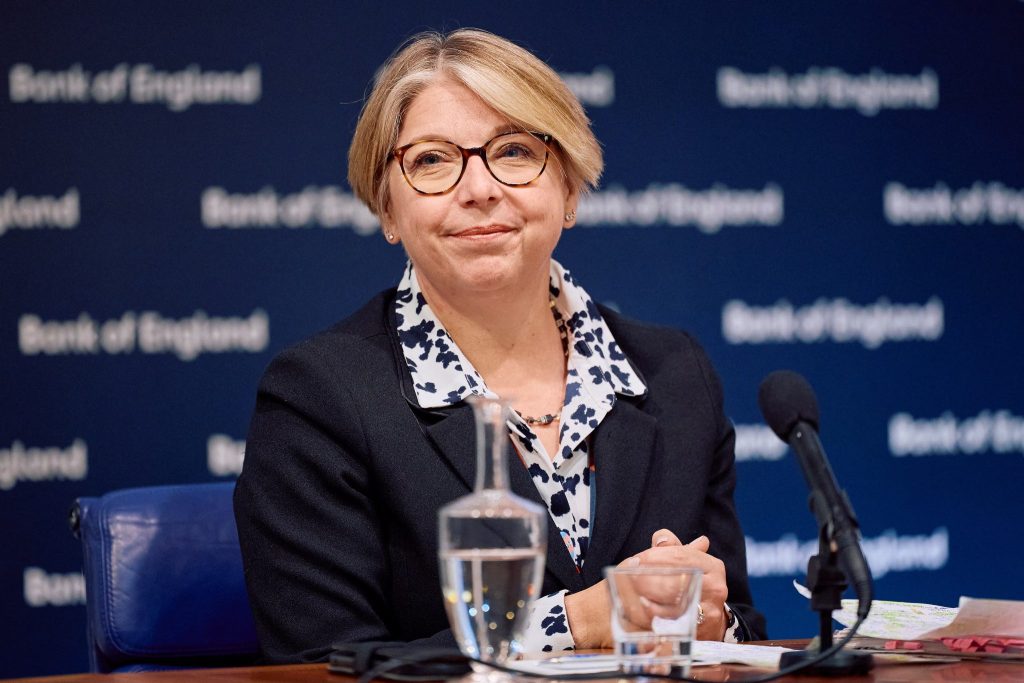 Deputy Governor of the Bank of England | Source: Reuters
Earlier today, a “” consultation paper was released.
The consultation paper marks a significant step toward establishing Britain’s framework for digital assets that pose potential risks to financial stability.
While Breeden insisted the UK regime would be operational “,” industry executives criticized the holding limits as overly cautious compared to America’s approach under the GENIUS Act, which established federal stablecoin regulation without ownership caps.
Regulatory Framework Balances Innovation With Stability Concerns
The proposed regime applies to systemic stablecoins, those widely used in payments that could impact UK financial stability, and will see joint oversight by the Bank of England for prudential matters and the Financial Conduct Authority for consumer protection.
The Bank substantially revised its initial 2023 proposal, now permitting issuers to hold up to 60% of backing assets in short-term UK government debt securities while maintaining at least 40% in unremunerated Bank of England deposits.
Capital requirements follow international standards, with issuers needing reserves equal to either the cost of recovery from the largest plausible loss event or six months of operating expenses.
Statutory reserves placed on trust for coinholders will cover both financial risk from holding sovereign debt and insolvency costs, ensuring redemption requests are honored by the end of each business day.
Industry Backlash Intensifies Over Restrictive Approach
The proposed caps have triggered fierce criticism from crypto advocates, who view the measures as counterproductive.
“This proposal only enforces caps on holdings in the more ‘systemic’ stablecoins most likely used for payments,” Laurence wrote on X.
“It means I will be compelled to MOVE my on-chain funds into something further out the risk curve. It is their safety they are concerned about, not yours.“
Another user, known as Stani.eth, called the approach “,” arguing that “stablecoins issued onchain do not pose greater risks than traditional electronic money issued on more fragile electronic databases.”
Meanwhile, Grant announced his departure from Britain, stating “i’m leaving the UK this Friday for good. I just don’t trust them to fix it as they’re all highly incompetent and believe taxing their way out of the problem is the only solution.“
stablecoins are a systemic risk to the system, that's the whole point…
governments are worried about the debasement of their currencies against the crypto-dollar, and rightly so
instead of trying to put the genie back in the bottle, get out in front of it, encourage… https://t.co/idEjStBGrr
Strider labeled the proposal “,” warning that “proposed regulations like this is keeping a cap on the European crypto world.”
Tom Duff Gordon, Vice President of International Policy at Coinbase, has also previously told the Financial Times that “imposing caps on stablecoins is bad for UK savers, bad for the City and bad for sterling,” noting no other major jurisdiction deemed such limits necessary.
Mortgage Market Differences Drive Cautious Stance
Breeden explained that the holding limits stem from fundamental differences between British and American credit markets, where UK consumers obtain mortgages from commercial banks rather than government-sponsored enterprises.
“People in the UK get their mortgages from commercial banks, and so that issue that we talked about, about the need for limits as we transition to a world of stablecoins, is one that is less pertinent to the US regime,” she said at a London conference on Wednesday.
Despite promises that caps remain temporary, the consultation paper provides no timeline for when limits would be lifted.
The global stablecoin market has expanded beyond $305 billion, yet sterling-pegged tokens remain negligible at just $1.65M compared to $511 million in euro-linked stablecoins, according to DeFiLlama data.

The Bank expects to finalize regulations by year’s end.
