Public WiFi Nightmare: How a Simple Click Drained a Crypto Wallet Overnight

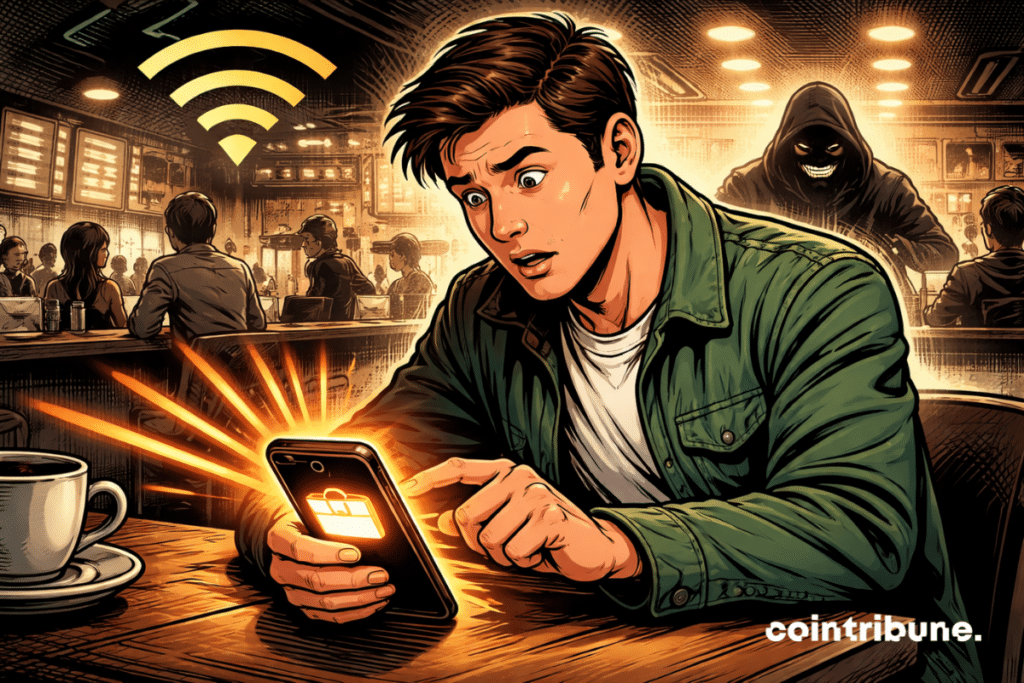
One tap on a public network approval screen—that's all it took. A routine gesture, performed by millions daily, became the backdoor for a devastating digital asset heist. This isn't a theoretical vulnerability; it's a stark reminder that the most sophisticated blockchain security can be undone by a single, mundane human action on an unsecured connection.
The Invisible Trap in Plain Sight
Public WiFi networks, the lifeline for remote work and on-the-go transactions, often function as digital minefields. The very convenience that makes them attractive—open access, no password—is their greatest flaw. When you connect, your device broadcasts data packets that, on a secured network, would be encrypted. On public WiFi, they're often laid bare. Hackers deploy 'evil twin' access points or packet-sniffing tools that intercept this data, hunting for login credentials, session cookies, and crucially, communications with crypto wallet interfaces.
The Approval That Opened the Vault
The critical failure point frequently isn't the wallet's seed phrase. It's the transaction approval process itself. On a compromised network, a hacker can perform a 'man-in-the-middle' attack. They can intercept a legitimate transaction request from your wallet app, alter the destination address to their own, and present the fraudulent version to you for signing. You see a request to send 0.1 ETH to a vendor. You approve. The network sends 10 ETH to a hacker's address. The digital signature is valid, the blockchain processes it, and the funds are irreversibly gone.
Fortifying Your Digital Perimeter
Defense is non-negotiable. Never, ever access your hot wallet or conduct transactions on public WiFi. Full stop. Use a personal mobile hotspot or wait for a secured, private network. A reputable VPN is a mandatory layer of encryption, creating a secure tunnel for your data. For significant holdings, cold storage—hardware wallets completely disconnected from the internet—remains the gold standard. Treat your wallet app like your bank's vault door; you wouldn't unlock it in a crowded, unmonitored alley.
While traditional finance grapples with paperwork and delays, crypto's finality is a double-edged sword—it cuts both ways, offering no fraud department to call when your assets vanish into the blockchain's immutable ledger. The responsibility, and the power, rests solely with the holder. In the race for financial sovereignty, your first line of defense is the network you choose to connect to.
 Read us on Google News
In brief
- A crypto user lost funds after using open hotel WiFi, exposing wallet activity to attackers sharing the same local network.
- Public discussion of crypto holdings helped attackers identify the target and predict the wallet setup without breaching the provider.
- A routine-looking wallet approval granted long-term permissions, allowing attackers to move funds days later without alerting the user.
- Security experts warn travelers to avoid public networks, review wallet approvals carefully, and limit physical exposure of crypto activity.
Open WiFi and Public Talk Expose Crypto Users to Attack
During the trip, the user connected a laptop to the hotel’s open WiFi network and continued regular crypto activity. Time was spent browsing Discord, checking X, and reviewing wallet balances. Nothing appeared out of the ordinary. What remained unseen was that open networks place all connected guests in a shared local environment, where traffic can be observed or altered.
An analysis conducted by the blockchain security firm Hacken found that attackers can exploit such networks without directly touching wallet software.
Dmytro Yasmanovych, cybersecurity compliance lead at Hacken, explained that open WiFi allows methods such as ARP spoofing, DNS manipulation, and rogue access points. These techniques can inject malicious JavaScript into legitimate websites. Even trusted DeFi interfaces may become unsafe once their execution environment is compromised.
Exposure increased later in the hotel lobby. During a phone call, the user openly discussed crypto holdings. That conversation provided valuable clues to anyone listening nearby. Once attackers knew the target was involved in crypto, guessing the likely wallet setup became easier. A common combination—Phantom used on the solana network—stood out. The wallet provider itself was not breached.
Physical awareness remains a weak point for many crypto users. bitcoin developer and security advocate Jameson Lopp has long warned that discussing holdings in public spaces attracts attention that can turn into targeted attacks.
Yasmanovych explained that many cyber attacks begin with observation rather than technical hacking. Public conversations about crypto can give attackers enough information to plan their timing, select tools, and decide how to approach a target.
Wallet Emptied After User Signs Permission on Unsecured Network
The decisive moment came during a token swap on a legitimate DeFi front end. A wallet request appeared and looked familiar. Instead of asking for a direct transfer, the prompt requested a permission approval. That approval granted ongoing access rather than moving funds immediately.
Such behavior fits a growing attack pattern known as approval abuse. Attackers do not rush to steal assets. Permissions are collected first, then used later when victims are less likely to connect the activity to the original action.
Several elements aligned to make the attack successful:
- Connection to an open, unsecured hotel WiFi network.
- Shared local network access with unknown guests.
- Public discussion of crypto holdings in a common area.
- Use of DeFi applications on an exposed device.
- Approval of a wallet request without close review.
Funds moved only after the hotel stay ended. Solana tokens and NFTs were transferred to another address. By the time suspicious activity was noticed, the wallet balance had dropped to zero.
Losses were limited because the affected wallet was a secondary hot wallet. Even so, the incident shows how little effort is required to empty an account. No malware was installed, no fake interface appeared, and no seed phrase was leaked. One unsafe network, one lapse in attention, and one approval were enough.
Security specialists advise treating all public networks as hostile. Mobile hotspots or trusted VPNs reduce exposure, especially while traveling. Wallet activity should be restricted to devices with updated software and minimal browser extensions.
Spreading funds across multiple wallets can help cap losses, while regular review and removal of unused approvals reduce the risk of delays. Physical discipline matters as well. Users are advised to avoid discussing holdings or wallet setups in public spaces, particularly when away from home.
Maximize your Cointribune experience with our "Read to Earn" program! For every article you read, earn points and access exclusive rewards. Sign up now and start earning benefits.
