Tokenization of U.S. Assets: DTCC Gets Regulatory Green Light - Wall Street’s Digital Future Arrives

The plumbing of American finance just got permission to go digital.
Regulators Give the Nod
The Depository Trust & Clearing Corporation (DTCC), the behemoth that settles most U.S. securities transactions, secured a key regulatory approval. This isn't just a technicality—it's the green light to start building the backbone for tokenized real-world assets on a massive scale. Think Treasury bonds, equities, and funds, all living on-chain.
Why This Changes Everything
For years, tokenization promised to cut settlement times from days to minutes, slash counterparty risk, and unlock liquidity in stale markets. The hurdle was always the gatekeeper. Now, the primary gatekeeper—the DTCC—has been handed the keys by its regulators. It bypasses the experimental phase and moves straight to institutional implementation.
The New Digital Pipeline
The approval signals that the old guard isn't just watching the crypto revolution—it's commandeering the core technology. The focus shifts from niche crypto projects to the trillion-dollar markets that DTCC already oversees. The infrastructure will likely prioritize interoperability with traditional systems, not a radical overhaul—a pragmatic, if somewhat cynical, embrace of efficiency over ideology.
The Bottom Line
This move legitimizes asset tokenization for the most risk-averse players in finance. It drags the concept out of crypto's speculative fringe and into the boardrooms of mainstream asset managers. The race to digitize the world's wealth just found its most powerful, and perhaps least exciting, frontrunner. After all, the biggest financial innovations often come from the entities most skilled at charging rent for moving bits from one spreadsheet to another.
 Read us on Google News
In brief
- The DTCC obtains SEC approval to tokenize major American financial assets.
- Crypto officially integrates into traditional finance, via a regulated and interoperable infrastructure.
Crypto validated by the SEC: a historic regulatory turning point
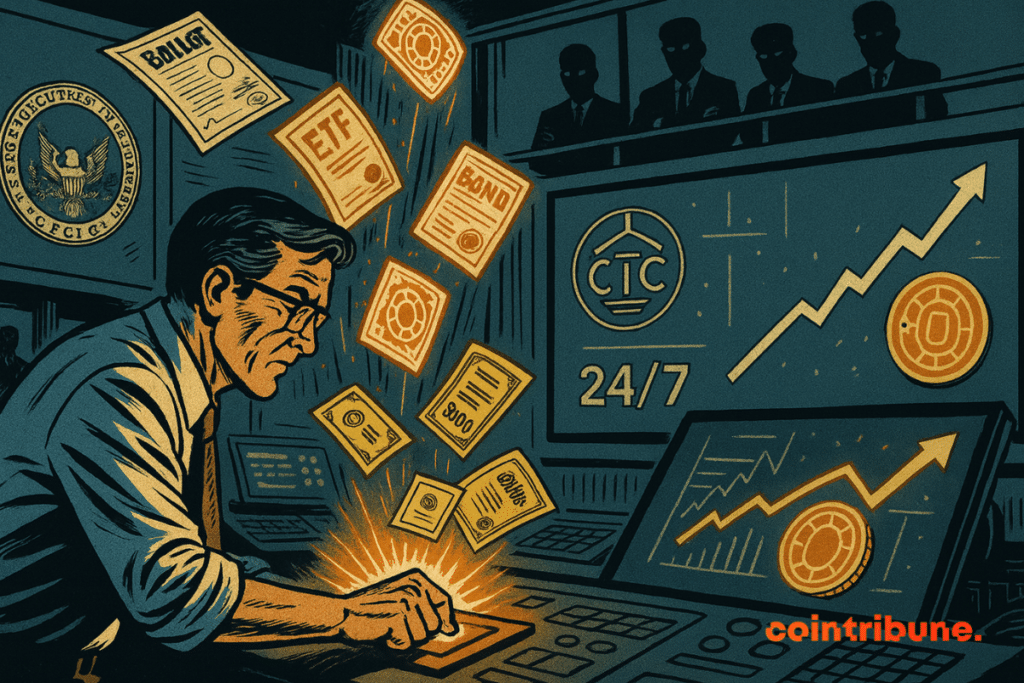
It’s official ! The DTCC has obtained. This document grants it the ability to integrate crypto blockchain into its operations. Concretely, the project aims to tokenize highly liquid assets such as Russell 1000 stocks, ETFs, and US Treasury bonds.
Each tokenized asset will retain its traditional ownership rights, regulatory protections, and entitlements. The goal? To offerbetween traditional finance and the crypto universe, while ensuring regulatory compliance.
According to Frank La Salla, CEO of the DTCC, this transition could offer increased collateral mobility, 24/7 market access, and new types of trading. They even talk about a paradigm shift.
According to the press release, the launch ison validated crypto blockchains.
Towards a convergence between TradFi and DeFi?
According to crypto analysts, thispaves the way for strategic convergence. Investors will indeed be able to convert their traditional securities into digital assets via a simple conversion order.
The system also provides for a. This allows securities to freely circulate between the two worlds. All securities will retain the same CUSIP, guaranteeing total fluidity.
Crypto does not replace current finance but enhances it. By integrating its functionalities into the existing infrastructure, the DTCC is betting on. The support from the CFTC and SEC confirms this positioning.
This project also echoes American political ambitions: to make the United States a global leader in crypto. The announcement comes as the CFTC launchesintegrating bitcoin, Ethereum, and USDC, with guidelines on tokenized collateral.
In any case, crypto has just crossed an institutional threshold. With regulators’ approval, traditional markets are opening to a programmable and fluid infrastructure. A door has just opened and it could redraw global finance.
Maximize your Cointribune experience with our "Read to Earn" program! For every article you read, earn points and access exclusive rewards. Sign up now and start earning benefits.
