Connecticut Clamps Down: Robinhood, Kalshi, and Crypto.com Ordered to Halt Sports Betting
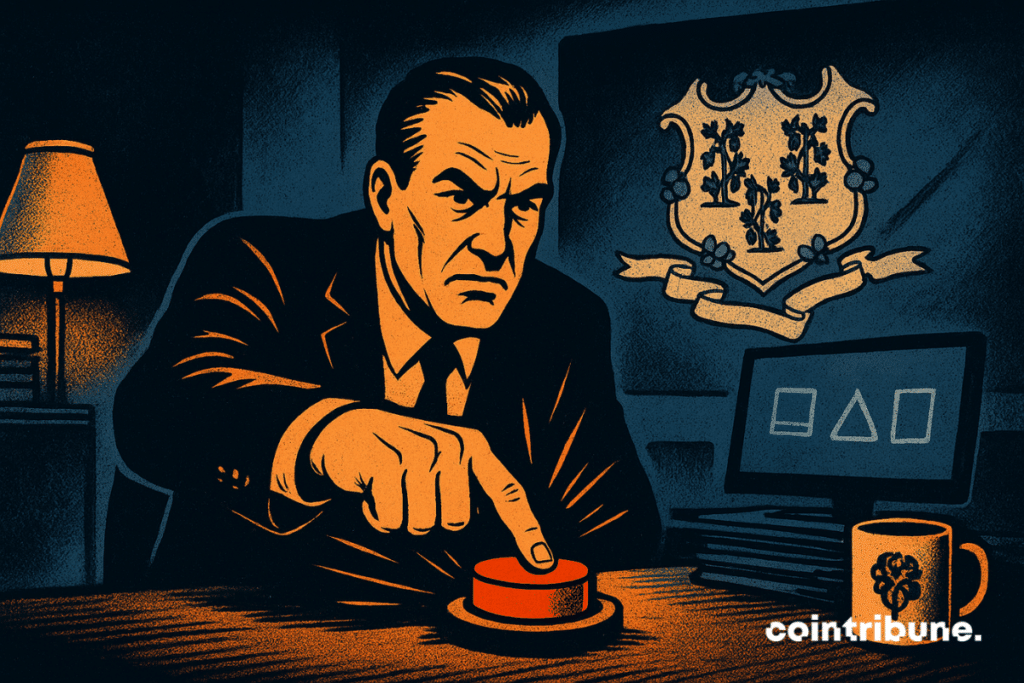
Connecticut regulators just threw a penalty flag on three major finance platforms.
The state's Department of Consumer Protection issued cease-and-desist orders to Robinhood, Kalshi, and Crypto.com, demanding an immediate stop to all sports betting activities offered to Connecticut residents. The move targets prediction markets and crypto-integrated wagering products that have blurred the lines between trading, gaming, and speculation.
Regulatory Blitz on Digital Wagering
This isn't a warning shot—it's a direct enforcement action. The state alleges the platforms were offering unauthorized gambling services, a space tightly controlled by licensed operators. For crypto-native firms, it's another front in the ongoing battle to define their services under existing financial and gaming laws. The crackdown suggests regulators are watching how fintech and crypto apps package risk and reward for consumers.
Finance's New Casino Floor
The lines have never been blurrier. Apps that started with stock slices and meme coins now let users bet on touchdown totals and election outcomes—all with the same slick interface. It turns your phone into a 24/7 casino, cleverly disguised as a 'trading platform' or 'prediction market.' Because nothing says financial innovation like letting algorithms determine the over/under on the big game.
Connecticut's aggressive stance signals a broader regulatory reckoning. As these platforms converge, offering everything from tokenized assets to sports parlays, watch for more states to draw hard lines. The house always wins, but first, it needs to know which game you're playing.
 Read us on Google News
In Brief
- Connecticut accuses Kalshi, Robinhood, and Crypto.com of operating illegal sports betting without a state license.
- The three companies have received injunctions to immediately cease all sports betting activity targeting Connecticut residents.
- The platforms invoke their federal regulation by the CFTC to contest the state’s jurisdiction.
- This offensive is part of a broader movement: New York, Massachusetts, and several other states are also pursuing Kalshi.
Prediction Markets Threatened by a Wave of State Regulation
Connecticut’s Department of Consumer Protection does not mince words. On Wednesday, the agency sent cessation orders to three major prediction market platforms: Robinhood, Kalshi, and Crypto.com.
The accusation is clear. These companies WOULD be running unauthorized online gambling, more specifically sports betting, according to official terms.
Bryan Cafferelli, commissioner of the DCP, spares no words. He reminds that none of these entities hold a license to offer betting in the state.
However, the issue goes further. Even if these licenses existed, the contracts offered would violate other state laws, notably the one prohibiting betting to those under 21 years old. Connecticut recognizes only three legal operators: DraftKings via Foxwoods, FanDuel via Mohegan Sun, and Fanatics via the state lottery.
The platforms’ argument? They present themselves as futures markets, not traditional bookmakers. Kalshi and Crypto.com are regulated by the federal Commodity Futures Trading Commission as designated futures markets. Robinhood invokes the same status via its subsidiary Robinhood Derivatives. For these players, federal oversight takes precedence over state laws.
Yet, the numbers speak for themselves. Approximately 74% of bets on Kalshi concern sporting events, according to data compiled by Dune Analytics. Difficult, under these conditions, to deny the “sports betting” dimension of these platforms.
Connecticut regulators seem determined not to let this semantic nuance between “event contracts” and “sports betting” pass unnoticed.
A Legal Battle Beyond Connecticut, the Future of Crypto Markets at Stake
This offensive is not isolated. It is part of a strong trend. New York sent a similar injunction to Kalshi at the end of October.
The platform responded by suing the state. Massachusetts joined in with a lawsuit against Kalshi in local courts in September. Arizona, Illinois, Montana, and Ohio have also issued cessation orders this year.
Nevada could change the game. A federal judge ruled last month that state regulators have jurisdiction over certain sports event contracts. This decision weakens the platforms’ main argument: the exclusive federal jurisdiction. Kalshi has announced its intention to appeal. But if this ruling sets a precedent, the entire prediction market industry could have to comply with state-by-state regulations.
Kalshi fights back on the federal level. In a complaint filed Wednesday against Connecticut, the company argues the state is encroaching on the federal regulatory framework established by Congress.
It claims its event contracts are legal under federal law and fall under the exclusive jurisdiction of the CFTC. A Kalshi spokesperson insists: their platform fundamentally differs from bookmakers and casinos regulated by states.
In short, Connecticut opens a new chapter in the regulation of crypto prediction markets. This offensive marks a tightening of states’ stance against platforms which had previously advanced on assumed conquered ground. The outcome of these legal battles will determine whether innovation can flourish under federal oversight or if each state will impose its own rules of the game.
Maximize your Cointribune experience with our "Read to Earn" program! For every article you read, earn points and access exclusive rewards. Sign up now and start earning benefits.
