BlackRock’s iShares ETF Now Holds More Bitcoin Than Any Other Entity—Here’s What It Means

Wall Street's crypto invasion just hit a historic milestone.
BlackRock's iShares Bitcoin ETF has officially become the largest single holder of Bitcoin globally—surpassing even long-standing crypto-native funds and corporate treasuries. The fund's relentless accumulation reflects institutional demand that's rewriting the rules of digital asset ownership.
Why This Move Matters
This isn't just symbolic—it's structural. When the world's largest asset manager builds a Bitcoin position this dominant, it signals a fundamental shift in how major capital allocators view crypto. Traditional finance isn't dipping a toe anymore; it's diving in headfirst.
What’s Driving the Surge?
Institutional flows into spot Bitcoin ETFs haven't slowed since launch. BlackRock's fund alone has seen consistent inflows, often outpacing competitors. It turns out that when you offer regulated, familiar vehicles for Bitcoin exposure, even risk-averse pension funds start paying attention—who would've thought?
The Ripple Effects
This concentration of Bitcoin in a regulated ETF could bring both stability and scrutiny. On one hand, it legitimizes Bitcoin as a core asset class. On the other, it puts unprecedented power in the hands of a TradFi giant—because nothing says decentralization like BlackRock holding the keys.
Looking Ahead
Expect more traditional players to follow suit. When BlackRock moves, the financial world watches—and eventually copies. The question isn't whether other firms will ramp up crypto exposure, but how quickly they'll try to catch up.
So yes, Bitcoin is now firmly in the hands of the same institutions that once dismissed it. Ironic, isn't it? Almost as ironic as charging a 0.25% management fee for 'exposure to decentralized money.'
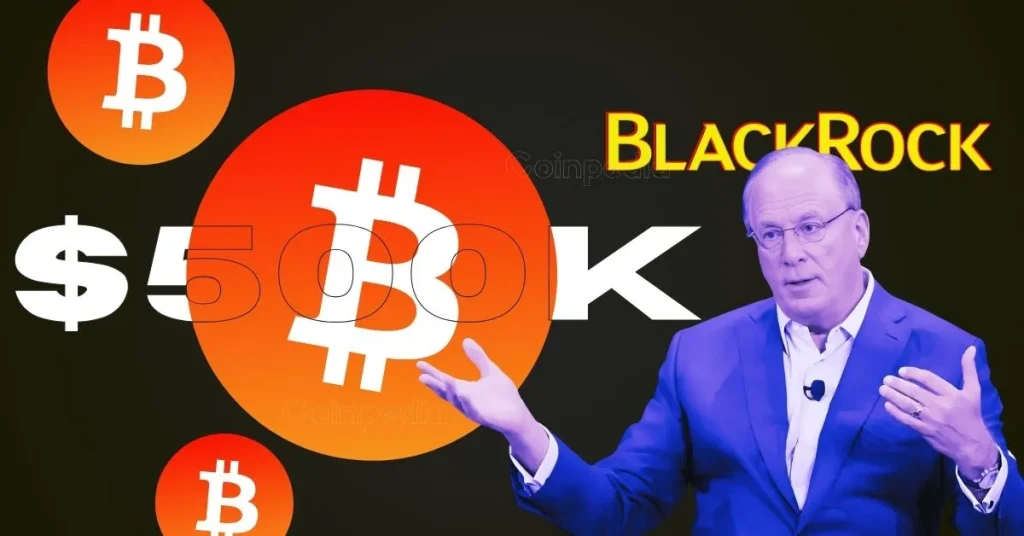
BlackRock’s iShares Bitcoin ETF has overtaken major crypto exchanges to become the largest known holder of Bitcoin. The fund’s rapid accumulation reflects the growing demand for regulated crypto investment products among institutional and retail investors. This marks a major shift in Bitcoin ownership, with traditional finance players now holding a dominant position. The move also highlights a broader trend of ETFs bringing mainstream investors into the crypto market, signaling Bitcoin’s deeper integration with global finance.
