Crypto Markets Breathe as U.S. Treasury Dismisses Trump Tariff Refund Threat

Fear's off the menu. A key source of recent market anxiety just got a reality check from Washington.
The Tariff Ghost Story
For weeks, whispers of potential tariff refunds under a hypothetical Trump administration had traders on edge. The logic was simple, if brutal: massive government refunds could drain liquidity, pulling capital from risk assets like crypto. It was a convenient narrative for explaining every dip.
Washington Steps In
The U.S. Treasury just threw cold water on that theory. Officials downplayed the feasibility and scale of any such action, calling the near-term risk "overstated." The message was clear—don't bet your portfolio on a political phantom.
What It Means for Digital Assets
This isn't a bullish signal; it's a removal of a bearish one. With one major uncertainty sidelined, the market can refocus on its actual drivers: adoption, institutional flows, and technological milestones. It's a classic case of the market fearing its own shadow—a pastime Wall Street has perfected over centuries, now enthusiastically adopted by crypto traders.
The path forward looks clearer. One less political boogeyman means one more reason for conviction in the long-term digital finance shift. Onward.
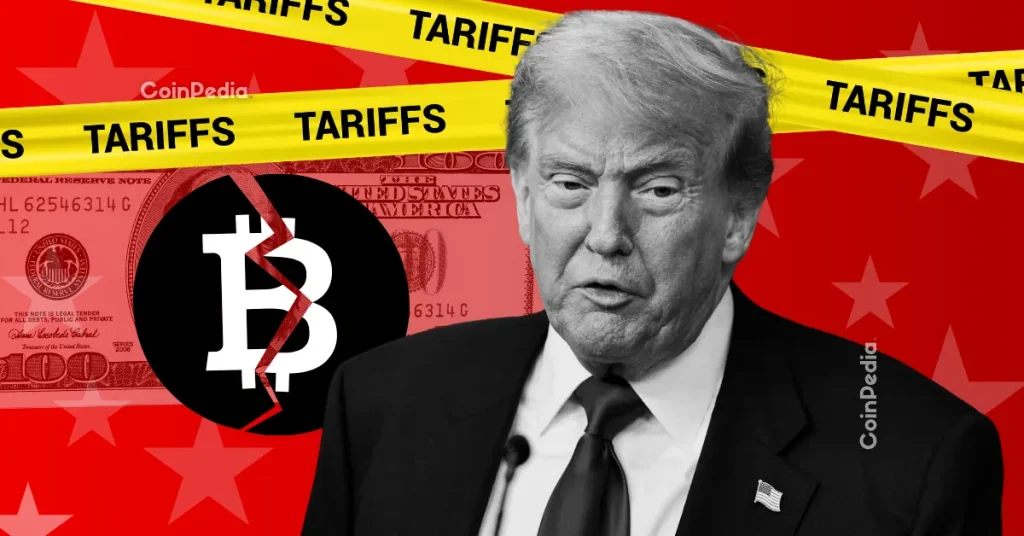
Fears of a broader market shock, including a potential crypto market sell-off, surfaced this week as investors focused on the possibility that the U.S. Supreme Court could strike down tariffs imposed during Donald Trump’s presidency. The concern was straightforward: if the court ordered large-scale tariff refunds, the U.S. Treasury might need to inject massive liquidity into the system, potentially unsettling bond markets and spilling over into risk assets like crypto.
Those fears, however, were quickly addressed by U.S. Treasury officials.
Treasury Says Refunds Are Manageable
U.S. Treasury Secretary Scott Bessent reassured markets that the government has more than enough liquidity to handle any potential tariff refunds. Speaking to the media, Bessent emphasized that even in a worst-case scenario, refunds WOULD not be paid out all at once. Instead, they would be distributed gradually over weeks, months, or even longer, reducing the risk of sudden liquidity shocks.
Bessent added that the Treasury is well-prepared and does not expect any refund process to disrupt government funding or financial stability. He also noted skepticism that the Supreme Court would ultimately overturn the tariffs, but stressed that contingency planning is essential regardless.
Refund Process May Be Complex
Beyond liquidity, Bessent pointed out that the refund process itself may not be straightforward. Depending on the court’s ruling, refunds could come with conditions that complicate how money flows back through the system. He also raised questions about whether corporations that initially paid the tariffs would actually pass refunds back to consumers, citing large retailers as an example.
This uncertainty adds another LAYER of complexity, making a rapid, market-disrupting payout even less likely.
Market Crash Fears Begin to Ease
Earlier in the week, some analysts warned that an adverse ruling on tariffs could spark a broader market downturn, including a sharp correction in crypto. The fear centered on the idea that large refund obligations could force the Treasury to issue more bonds, pushing yields higher and draining liquidity from risk assets.
However, those concerns eased after the Supreme Court delayed its timeline in a separate ruling, pushing the tariff decision further out. This reduced immediate pressure on markets and helped stabilize sentiment.
Strong Cash Reserves Provide a Backstop
Bessent also highlighted the Treasury’s strong cash position. Government cash balances currently stand NEAR $774 billion and are expected to rise toward $850 billion by the end of March 2026. This buffer signals there is no need for emergency borrowing or aggressive bond issuance to fund potential refunds.
For crypto markets, the fears of a sudden liquidity-driven crash tied to TRUMP tariff refunds appear overblown, at least for now. With ample reserves and a delayed court timeline, systemic risk from this issue has moved to the background.
