Ripple CEO: Vanguard, BlackRock & Franklin Joining Crypto Signals Major 2026 XRP Comeback

The floodgates are opening. Traditional finance's biggest whales are finally diving into crypto—and Ripple's CEO says it sets the stage for a seismic shift by 2026.
Wall Street's Crypto Pivot
For years, institutional adoption was the industry's holy grail, whispered about but never fully realized. Now, the landscape is shifting not with a trickle, but a tidal wave. The entry of asset management titans like Vanguard, BlackRock, and Franklin Templeton isn't just a nod of approval; it's a full-scale deployment of capital and credibility into the digital asset space. These firms move markets by sheer weight of assets, and their pivot signals a fundamental change in how the world's wealth is allocated.
The Infrastructure Build-Out
This isn't about quick speculation. These institutions operate on a different timeline—they're building the plumbing. Their participation accelerates the development of robust custody solutions, clearer regulatory frameworks, and investment vehicles that meet the stringent requirements of pensions, endowments, and massive wealth funds. It's the boring, essential work that creates a stable foundation for the next cycle of growth. The real money is preparing to move, and it needs bulletproof infrastructure first.
Ripple's Position in the New Order
Amidst this institutional gold rush, Ripple and XRP occupy a unique niche. While the spotlight often shines on store-of-value assets, the real utility lies in settlement and liquidity. Ripple's longstanding focus on cross-border payments and working with financial institutions positions it not as a speculative outsider, but as a potential utility player within the new, institutional-grade financial system being constructed. The coming wave may value proven use cases over pure narrative.
The 2026 Horizon
Markets move in cycles, and institutional moves are slow but decisive. The groundwork being laid today—the filings, the fund launches, the compliance approvals—points toward a major inflection point. By 2026, the infrastructure should be live, the regulatory dust somewhat settled, and the capital pipelines open. That's when the theory of institutional adoption becomes a measurable, market-moving reality. It's a forecast based on deployment timelines, not hope.
The final phase of crypto's mainstream march won't be led by retail FOMO, but by asset allocation committees and quarterly reports—a thought almost as exciting as it is dreadfully mundane.
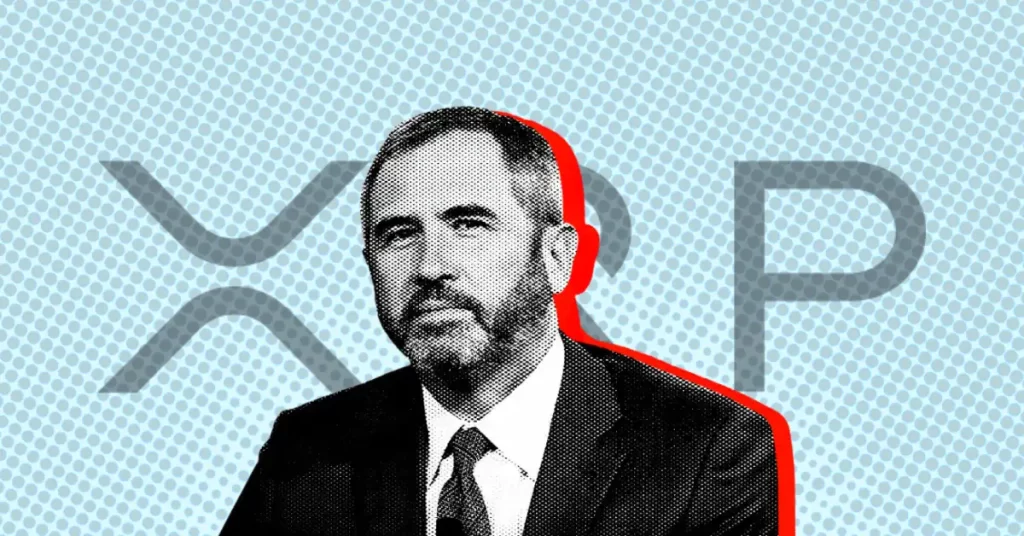
Ripple CEO Brad Garlinghouse shared a bullish outlook for the future of crypto during a panel discussion at Binance Blockchain Week, saying he has not felt this positive in years despite the recent market slowdown.
When asked why the crypto market has slipped back into a bear phase, Garlinghouse said the industry naturally moves in cycles. He explained that during “risk-on” periods investors get excited, but the current “risk-off” environment has brought uncertainty back into the market.
Garlinghouse said the pullback should not distract from the bigger picture. He says several major macro trends are now creating strong tailwinds for the entire industry as we head toward 2026.
Why Garlinghouse Is More Optimistic Than Ever
One of the biggest shifts, he said, is the sudden change in attitude from the United States. The US makes up 22% of global GDP and was openly hostile to crypto for years, but regulators have recently moved toward clearer and more supportive rules. He said this change is happening faster than many expected, although large institutions are still catching up.
Institutional Giants Are Finally Joining In
Garlinghouse pointed out that more traditional giants are stepping into the sector. He pointed out appearances from Franklin Templeton and BlackRock at the event and said even Vanguard, which once publicly refused to touch crypto, has now made a major reversal in its stance. He called this an important sign of growing institutional confidence.
“It’s no longer just speculation. We’re finally seeing crypto solve real-world problems, and that’s what supports long-term growth,” he said.
Looking ahead, Garlinghouse said the next phase of growth will come from real-world use cases rather than speculation. He says crypto platforms are becoming easier to use, and more applications are being built to solve real problems in payments, finance and everyday life.
According to him, this shift toward practical adoption will help support a stronger and more sustainable bull market over the next two years.
