FDIC Drops Crypto Bombshell: Stablecoin Rules Land This Week Under GENIUS Act

The regulatory dam is breaking. The FDIC is set to release its long-awaited stablecoin framework this week, a move that could finally bring clarity—and legitimacy—to a $150B+ corner of the crypto market.
The GENIUS Act's Moment
Forget vague guidance. This isn't a discussion paper. The Federal Deposit Insurance Corporation is putting real rules on the table, defining what it takes for a dollar-pegged digital asset to operate without triggering a regulatory ambush. It outlines reserve requirements, redemption policies, and operational standards—the guardrails traditional finance has demanded.
Why This Week Changes Everything
Timing is everything. This release cuts through the political noise, delivering actionable policy instead of another hearing. It bypasses legislative gridlock by leveraging existing agency authority. For issuers, it means a path to compliance. For investors, it means less "wild west" and more "heavily supervised frontier."
Market Impact: From Speculation to Infrastructure
Expect volatility first, then validation. Clear rules purge the uncertainty that's haunted major players. It transforms stablecoins from speculative tokens into recognized payment infrastructure. The move could unlock institutional capital that's been parked on the sidelines, waiting for the all-clear signal.
A cynical take? Washington finally figured out how to tax and regulate the future of money—just as Wall Street starts buying in. The GENIUS Act might just live up to its name, providing the framework that turns crypto's biggest promise into a regulated, and bankable, reality.
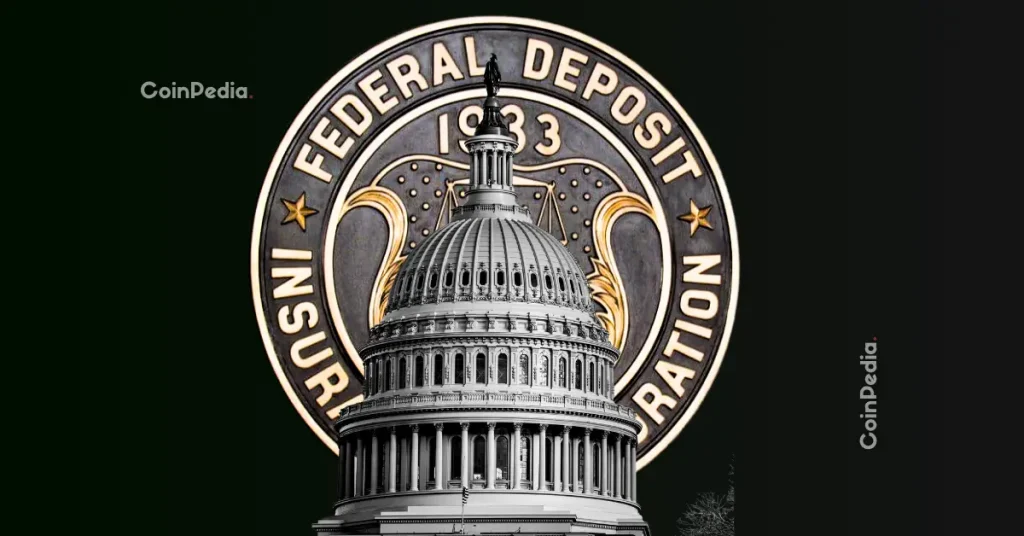
The U.S. Federal Deposit Insurance Corporation (FDIC) is preparing for a major step in regulating stablecoins. Acting Chair Travis Hill announced that the agency plans to release its proposed framework for the GENIUS Act later this month. This MOVE will establish how stablecoin issuers are licensed and supervised across the country.
What the GENIUS Act Means
Signed into law by President Donald TRUMP in July, the GENIUS Act, short for Guiding and Establishing National Innovation for U.S. Stablecoins Act, creates the first federal regulatory structure specifically for stablecoins.
Instead of relying on a patchwork of state rules, the act provides a unified approach, assigning responsibilities to both federal and state authorities. The FDIC, Federal Reserve, OCC, and NCUA recently participated in a House Financial Services Committee hearing to explain how they will implement the law.
FDIC’s Role: Supervising Bank-Linked Stablecoin Issuers
Hill explained that the FDIC will directly supervise and approve subsidiaries of FDIC-insured banks that plan to issue stablecoins. Any bank under FDIC oversight must go through a formal application process before its subsidiary can launch a stablecoin. The FDIC will also establish financial safeguards for these issuers, including capital requirements, liquidity standards, and rules on how reserve assets are managed.
- Also Read :
- Trump’s Fed Chair Announcement Likely This Week: Is It the Needed Crypto Bullish Catalyst?
- ,
The first proposed rule, detailing the FDIC’s application framework, is expected later this month. A second rule, which will set prudential requirements for payment stablecoin issuers, is expected early next year. Together, these rules will FORM the foundation of federal stablecoin oversight.
Currently, the FDIC’s direct supervision applies only to banks and their subsidiaries. Non-bank stablecoin issuers will remain under state regulations unless future federal rules expand oversight to them.
Looking Beyond Stablecoins: Tokenized Deposits
The FDIC is also exploring tokenized deposits, reflecting a broader shift in how traditional banks interact with digital assets. Hill confirmed that the agency is drafting guidance on the regulatory status of these deposits, following recommendations from the President’s Working Group on Digital Asset Markets issued in July. This suggests that U.S. regulators are preparing for a future where more banking products could be tokenized.
Overall, the upcoming proposals mark a significant step toward providing structure, clarity, and stronger oversight for the stablecoin sector. As the FDIC moves closer to unveiling its framework, the U.S. is setting new standards for how banks and their affiliates participate in the digital asset economy.
Never Miss a Beat in the crypto World!Stay ahead with breaking news, expert analysis, and real-time updates on the latest trends in Bitcoin, altcoins, DeFi, NFTs, and more.

FAQs
What is the GENIUS Act and why does it matter for stablecoins?The GENIUS Act creates the first national rules for stablecoins, giving federal agencies clear authority to license and supervise issuers.
How will the FDIC regulate bank-affiliated stablecoin issuers?The FDIC will review applications, set capital and liquidity rules, and supervise bank subsidiaries that want to issue stablecoins.
When will the FDIC release its stablecoin rules?The FDIC plans to publish its application framework this month and issue prudential standards for stablecoin issuers early next year.
What are tokenized deposits and why is the FDIC studying them?Tokenized deposits are digital versions of bank deposits. The FDIC is drafting guidance as banks explore new ways to use blockchain for payments.
