Japan’s FSA Proposes 20% Crypto Tax for 2027: What It Means for Your Portfolio

Japan's financial regulator just dropped a tax bomb on crypto investors—and gave them two years to prepare.
The Regulatory Hammer Falls
The Financial Services Agency (FSA) isn't asking permission. Its new proposal mandates a flat 20% levy on cryptocurrency gains, set to take full effect in 2027. This isn't a trial balloon; it's a finalized framework moving through the legislative pipeline. The message is clear: digital assets are now permanent, taxable fixtures in Japan's financial landscape.
Reading Between the Regulatory Lines
Why 2027? The timeline is a masterclass in bureaucratic strategy. It provides a long runway for exchanges to adapt their reporting systems and for investors to... reconsider their holdings. It also perfectly aligns with a global push for crypto tax standardization, positioning Japan not as a rebel, but as a orderly front-runner. For the FSA, this is less about revenue today and more about establishing control tomorrow.
The Investor's Calculus
For the bullish practitioner, this isn't a death knell—it's a maturation signal. A clear tax regime kills the 'wild west' narrative that keeps institutional money on the sidelines. Yes, it trims profits. But it also provides the legal certainty that builds trillion-dollar markets. The smart money is now running models that include that 20% haircut, betting that legitimacy is worth the price.
The proposal transforms crypto from a speculative gamble into a calculable asset class. Japan is betting that heavy taxation beats outright prohibition—a lesson it learned from its own strict gambling laws, which somehow never stopped anyone from finding a pachinko parlor. The final irony? Governments love volatility; it creates bigger taxable events.
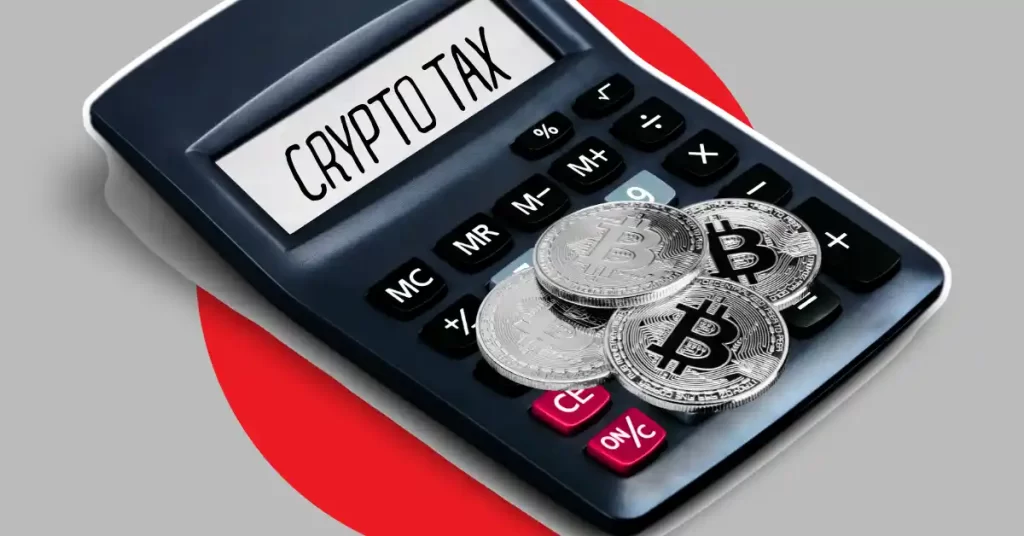
Crypto Regulation News: Japan is preparing a major crypto tax change. The government now supports a flat 20% tax on crypto profits, the same rate used for stocks. This is a big shift from today’s system, where taxes can reach 55%. The goal is to simplify rules, reduce the burden on investors, and modernize Japan’s crypto framework.
Japan Crypto Tax Reform: From Complicated Brackets to a Flat 20% Rate
Currently, crypto earnings in Japan are taxed as “miscellaneous income.” This places traders in the standard income tax brackets, which range from 5% to 45%, plus an additional 10% inhabitant tax for high earners. Meanwhile, profits from stocks and investment trusts are taxed at a flat 20%.
This uneven approach has long frustrated Japanese investors. Many argue that the high tax burden discourages trading or pushes activity offshore. A flat 20% rate WOULD create a fairer system, making crypto investing more attractive and easier to manage.
FSA Proposal 2026: Government and Regulators Unite on Crypto Tax Changes
According to Nikkei Asia, both the national government and the ruling coalition in the Diet support the Financial Services Agency’s (FSA) proposal. The FSA first suggested the change in November and plans to introduce an official bill in early 2026.
- Also Read :
- Japan Bond Yields Hit Highest Since 2008 – Expert Warns “The Anchor Has Broken”
- ,
The proposal will be included in a larger amendment to the Financial Instruments and Exchange Act. Along with the new tax rate, the bill is expected to introduce stronger investor protections, ban trading based on non-public information, and tighten disclosure rules for crypto investment products. Japan aims to boost adoption while ensuring exchanges and issuers follow stricter standards.
Japan Blockchain Association (JBA) Reaction
The tax change is also a significant win for the Japan Blockchain Association (JBA), the country’s main crypto industry group. Since 2022, the JBA has urged the government to replace the complicated income-based system with a simpler capital-gains-style tax. In its 2023 letter to officials, the group described Japan’s current tax rules as “the biggest hurdle” for Web3 companies and everyday users.
While it’s unclear how much direct influence the JBA had on the final decision, the FSA began showing interest in tax reform in late 2024. With the government now on board, Japan appears ready to align with other major economies by offering simpler taxes and a clearer framework for crypto growth.
Never Miss a Beat in the Crypto World!Stay ahead with breaking news, expert analysis, and real-time updates on the latest trends in Bitcoin, altcoins, DeFi, NFTs, and more.

FAQs
When Will Japan’s New Crypto Tax Start?The Financial Services Agency (FSA) plans to submit an official bill in early 2026.
If approved in the 2026 legislative session, the new 20% tax rate is expected to take effect in 2027, following Japan’s typical fiscal policy cycle.
The flat-tax system is expected to follow rules similar to stock trading, meaning:
1.Crypto losses can be used to offset crypto profits.
2.Losses may be carried forward for multiple years (likely up to three, depending on final legislation).
This is a major improvement for traders who currently cannot carry losses forward under the miscellaneous income category.
The reform primarily targets individual retail investors. Companies already saw relief in 2023, when Japan removed the tax on unrealized gains from corporate crypto holdings. The new change completes the shift toward a more business- and investor-friendly environment.
