David Sacks Claps Back at NYT’s AI/Crypto Coverage—Here’s Why It Matters

Tech investor David Sacks just threw a public punch at The New York Times. The target? A recent report on the convergence of artificial intelligence and cryptocurrency. Sacks didn't hold back—calling the analysis shallow and missing the fundamental shift underway.
The Core of the Clash
This isn't just a war of words. It's a battle over narrative. Mainstream financial media often frames crypto through a lens of speculation and risk. Sacks represents a growing cohort of Silicon Valley builders who see decentralized networks and AI as the next foundational tech stack. They argue legacy institutions are structurally slow to understand the velocity of this change.
Why This Fight is Different
Forget the usual crypto hype cycle. The argument now centers on tangible utility. How can AI agents autonomously manage crypto assets? Can decentralized compute power fuel the next generation of AI models? Sacks' critique suggests the old guard is asking the wrong questions—focusing on volatility instead of verifiable on-chain activity and developer growth.
The Finance Jab
It's the classic tale: Wall Street analysts finally understand a technology just as it renders their old valuation models obsolete. They're busy calculating PE ratios while the network builds its own economy.
The takeaway? When a heavyweight like Sacks goes on the offensive, it signals a maturation. The conversation is moving from 'is this real?' to 'who controls the future?' The old gatekeepers are watching, but the builders aren't waiting for permission.
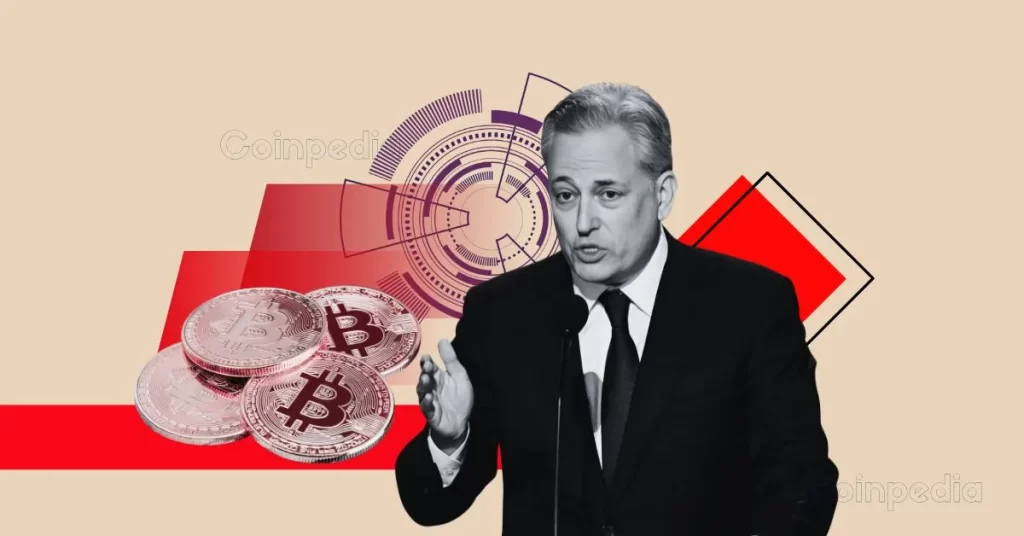
David Sacks, White House AI and crypto advisor, slammed The New York Times after a five-month probe into alleged conflicts of interest repeatedly changed claims once disproven. He accused the paper of ignoring or twisting his answers and has hired law firm Clare Locke to publicly challenge the report and clear his name. Sacks shared correspondence highlighting factual errors and called the investigation a “nothing burger” that fails to support its headline.
