Ripple’s IPO Pause: Why the Holdout During Crypto’s Listing Frenzy?

As crypto exchanges race to list the next hot token, Ripple's IPO plans remain conspicuously frozen. What's behind the delay when the market's appetite for digital assets has never been stronger?
The Waiting Game: Regulatory ghosts haunting the halls? While competitors sprint toward public offerings, Ripple's legal tangles with the SEC continue casting long shadows. No corporate playbook prepares you for 'operating in existential limbo'.
Market Irony 101: XRP trading volumes surge while Ripple's IPO paperwork gathers dust. Traders pile into the token—apparently betting the company won't need traditional funding routes anyway. Take that, Wall Street underwriters.
Behind the Scenes: Insiders whisper about shifting strategies—maybe private rounds at nosebleed valuations beat dancing to the SEC's tune. Since when did crypto firms start caring about regulatory approval? Oh right, when billion-dollar lawsuits enter the chat.
The Bottom Line: In an industry that moves at blockchain speed, Ripple's IPO hesitation stands out like a banker at a DeFi rave. Whether it's masterful patience or paralysis, one thing's clear: in crypto, even hesitation can become a trading strategy.
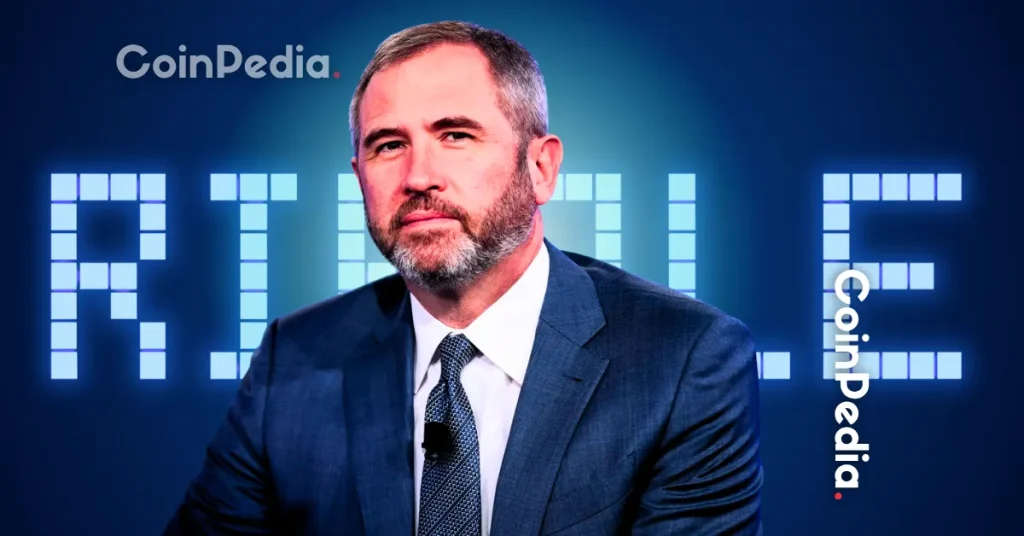
While crypto companies are racing to list on Wall Street, Ripple is sitting this one out. Speaking at the firm’s Swell conference in New York, Ripple President Monica Long made it clear the company has no immediate plans for an IPO.
“We do not have an IPO timeline,” Long told Bloomberg. “No plan, no timeline.”
Her words come at a time when the crypto industry is in the middle of an IPO boom. Firms like Circle, Gemini, Bullish, and Figure Technologies have already gone public this year, while Kraken and Consensys are preparing to follow.
A $40 Billion Valuation and No Rush for an IPO
Ripple is avoiding an IPO because it doesn’t need one. The company recently raised $500 million in fresh funding, putting its valuation at $40 billion. The round was led by Fortress Investment Group and Citadel Securities, with backing from Pantera Capital, Galaxy Digital, Brevan Howard, and Marshall Wace.
“We’re in a fortunate position where we’ve been able to be very well capitalized and fund all of our organic growth, inorganic growth, strategic partnerships – anything we want to do,” Long said.
That financial strength is also reflected in Ripple’s internal confidence. The company reportedly tried to buy back $1 billion worth of shares from investors but found few sellers, which is a sign that existing shareholders are holding on tight.
Ripple’s Growth Driven by Stablecoins and Partnerships
Ripple’s growth story is picking up pace. Long said the company’s customer base has doubled quarter-over-quarter, powered by the growing adoption of stablecoin payments and stronger regulatory clarity following the U.S. Genius Act.
Ripple’s RLUSD stablecoin is already making waves, crossing $1 billion in circulation within a year of launch. The company has teamed up with Mastercard, WebBank, and Gemini to test using RLUSD for credit card settlement, which could expand Ripple’s role in the payments ecosystem.
Ripple also strengthened its institutional arm by acquiring Palisade, a digital asset custody provider, to offer secure and scalable crypto services under one platform.
Staying Private in a Public Frenzy
The IPO wave sweeping across crypto is partly driven by a friendlier environment under President Donald Trump’s administration, which has eased regulatory pressure and revived investor interest.
Yet Ripple’s decision to stay private shows a confidence built on cash reserves, steady growth, and control over its own direction.
As rivals race toward public listings, Ripple seems content to focus on building.
