CPI, GDP Data Poised to Shake Global Markets - Here’s What Crypto Traders Need to Watch

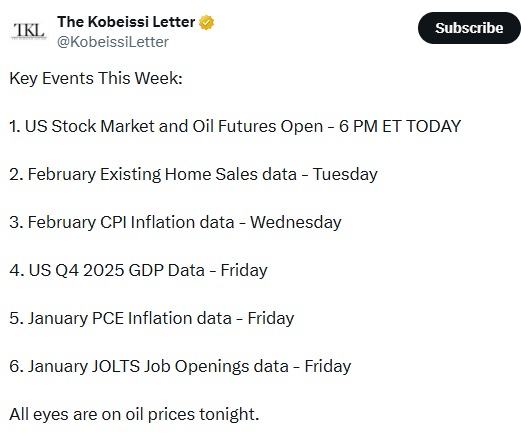
Brace for impact. This week's economic data dump could send traditional markets reeling—and create prime volatility for digital assets.
The Setup
Forget quiet consolidation. The Consumer Price Index and Gross Domestic Product figures landing this week are the ultimate stress test for risk appetite. When these macro bombs drop, everything from the S&P 500 to Bitcoin feels the shockwave.
Crypto's Macro Moment
Hotter-than-expected CPI? Watch bond yields spike and risk assets tank—initially. But here's the twist: crypto often decouples. It's a hedge against monetary debasement, remember? A 'bad' inflation print might just remind everyone why decentralized finance exists in the first place. Sluggish GDP growth? That screams 'lower for longer' interest rates, the jet fuel for speculative assets. Traders will be parsing every decimal point, positioning for the Fed's next move.
The Trading Floor View
Smart money isn't just watching the headlines; it's watching the flows. Expect leveraged positions to get liquidated on knee-jerk reactions, creating buy-the-dip opportunities for the patient. Altcoins might get hammered harder than majors if liquidity tightens, but that's where the real alpha gets made. It's a classic 'sell the rumor, buy the news' playground—if you've got the stomach for it.
The Bottom Line
Volatility isn't a bug in the crypto market; it's a feature. This week's economic theater provides the perfect catalyst. While Wall Street analysts hyperventilate over basis points, the digital asset space offers a front-row seat to the future of finance—messy, unpredictable, and utterly fascinating. Just another week where trusting a centralized bank's inflation math seems like the real risky bet.
Source: X (formerly Twitter)
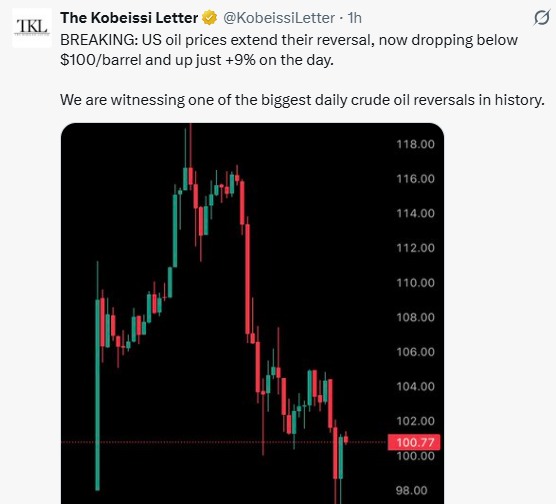
Meanwhile, crude markets experienced one of the largest reversals in history. After surging near $119.50, prices dropped below $100 per barrel, trimming gains to about 9% on the day.
The shift followed a coordinated plan by G7 nations and the International Energy Agency to release roughly 400 million barrels from strategic reserves.
Oil Shock and Market Volatility Raise Inflation Concerns
Energy markets triggered early volatility. Earlier, supply fears tied to rising geopolitical tension pushed WTI crude up 35% and Brent crude 27% last week, marking the biggest weekly jump in years.
Source: The Kobeissi Letter X
However, the sudden reserve release announcement reversed the rally. This move eased immediate inflation pressure and improved sentiment across risk assets. A weaker energy spike could influence upcoming reports, making several upcoming financial events especially important for investors.
At the same time, the US Dollar Index climbed to 99.68, its strongest weekly gain since President Trump’s second inauguration. The currency also crossed above the 50-day simple moving average at 98.67, supported by safe-haven demand and expectations that interest rate cuts may be delayed.
CPI, GDP and PCE Data Could Shape Fed Outlook
The biggest drivers among this week’s upcoming financial events are inflation and growth indicators.
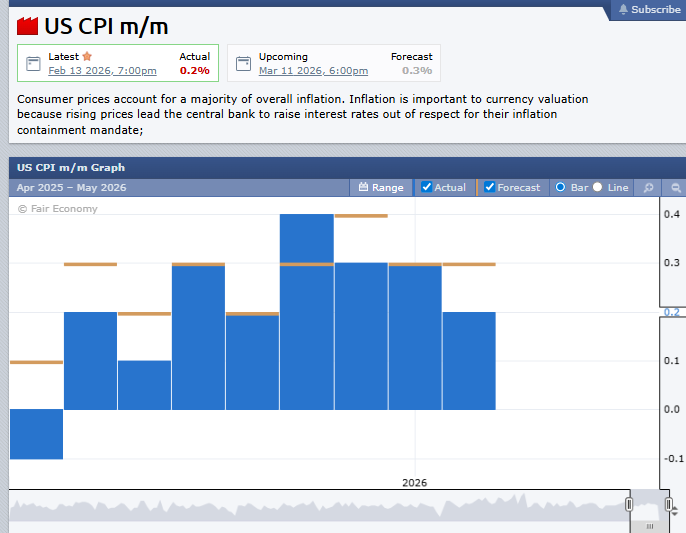
February Consumer Price Index (CPI) data will arrive on Wednesday. The data by Forex factory shows monthly inflation readings recently trending around 0.2%, with the next estimate expected near 0.3%. Because consumer prices account for a large share of overall inflation, this release could strongly influence currency and equity markets.
Source: Forex Factory
Another major report is US Q4 2025 GDP report, scheduled for Friday. GDP measures the economy’s total output and often guides expectations about monetary policy.
Investors will also watch the January Personal Consumption Expenditures (PCE) index, the Federal Reserve’s preferred inflation gauge. Current forecasts suggest headline PCE may rise 0.3% monthly, while core PCE could increase 0.4%, pushing yearly core inflation close to 3.1%.
Jobs Data and Housing Numbers Add More Signals
Labor market data will also play a role in shaping sentiment.
The JOLTS job openings report scheduled for Friday will offer insight into hiring demand. Earlier economic signals, including a surprise decline in nonfarm payrolls, already raised concerns about possible stagflation risks.
Housing data may provide another clue. February existing home sales figures, due Tuesday, will show whether higher borrowing costs continue slowing real estate activity.
At the same time, institutional flows remain active in digital assets. Investment products recorded $619 million in weekly inflows, including $521 million directed into Bitcoin funds, highlighting continued demand from large investors.
Conclusion
This week’s calendar includes several critical reports that could shift sentiment across financial markets. CPI, GDP growth numbers, PCE, and job openings will offer fresh clues about the economy. Combined with volatile oil prices and strong institutional crypto flows, these upcoming financial events may set the tone for global markets in the days ahead.
