Meta’s 2026 Stablecoin Comeback: A Bold New Payments Strategy Emerges

Remember Meta's stablecoin? It's back—and this time, it's targeting your wallet.
The tech giant's rebooted digital currency play isn't just another crypto experiment. It's a full-scale assault on the payments landscape, aiming to weave itself into the fabric of everyday transactions. Forget speculative tokens; this is about moving money.
From Libra's Ashes
The original vision crashed into regulatory walls. The new strategy pivots—hard. It's less about creating a global reserve currency and more about building a seamless payment rail within Meta's sprawling ecosystem. Think less revolution, more frictionless checkout.
The 2026 Blueprint
Insiders point to a tightly integrated system. A stablecoin, pegged to a basket of flat currencies, designed for speed and low cost. The goal? To bypass traditional banking bottlenecks and credit card fees. It's infrastructure, not an investment.
Why This Might Work Now
The world has changed. Regulatory frameworks are crystallizing. Central bank digital currencies (CBDCs) are in development. The public is more digitally fluent. Meta's timing might finally align with the market's readiness—or so they hope.
One cynical finance veteran quipped, 'After failing to create money, they've settled for moving it—and taking a cut.' The jab highlights the core bet: that the real value isn't in minting coins, but in controlling the pipe they flow through.
Will regulators play ball? Can Meta convince users to trust its brand with their daily spending? The comeback trail is paved with unanswered questions. But one thing's clear: the battle for the future of payments just got a major new contender.
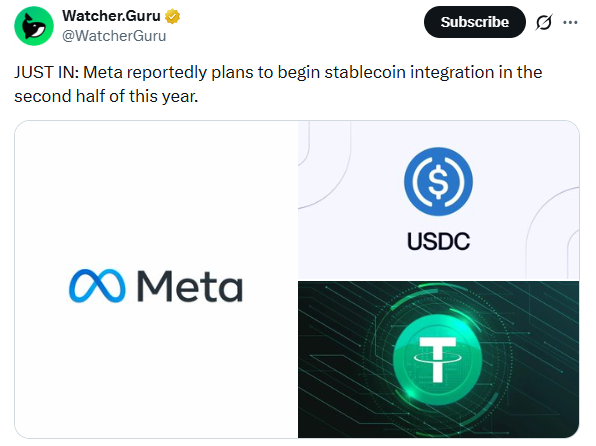
By using existing stablecoins like USDC instead of making its own, Meta avoids many of the legal hurdles that stopped its earlier Diem project. The company has already sent out requests to top fintech firms to help run the backend systems and a new digital wallet. This smart MOVE lets the social media giant use its 3 billion users while letting partners like Stripe handle the heavy compliance and banking rules.
Strategic Shift in the Meta Stablecoin Payments Return Model
The biggest sign of the Meta's stablecoin comeback plan is the strong tie between Meta and the payment giant Stripe. After Stripe bought the stablecoin firm Bridge for $1.1 billion, and Stripe CEO Patrick Collison joined Meta’s board in April 2025, experts see Stripe as the most likely partner for this launch.
The Role of "Agentic Commerce"
Experts believe this comeback is about more than just sending money to friends. It is about the future of AI. The social media giant is spending over $130 billion in 2026, mostly on smart AI agents. These digital helpers will need a fast way to buy things for users without waiting days for a bank to process a payment. Stablecoins are perfect for this "agentic commerce" because they work instantly and 24/7.
Feature | Libra/Diem (2019) | Meta's 2026 Return |
Coin Type | It’s own coin | Existing stablecoins (USDC) |
Control | Direct Meta runs it | "Arm's length" Partner runs it |
Regulation | High risk (No laws) | Lower risk (GENIUS Act 2025) |
Partner | 28 companies | Likely Stripe and Bridge |
Future Outlook: A New Way to Pay Online
The primary driver for the Meta's stablecoin payments return is a new U.S. law called the GENIUS Act. Passed in 2025, this act created clear rules for stablecoins, making it safer for big tech firms to use them. By following these rules, The social media giant can offer faster and cheaper international transfers than traditional banks.
If the 2026 launch goes well, sending money on WhatsApp could become as easy as sending a photo. This could change how millions of people shop and do business online. While the first tests might start with paying creators on Instagram, the long-term goal is to build a modern payment system that works for everyone, everywhere.
Cryptocurrency and stablecoin investments involve risk. Digital asset regulations are subject to change. This article is for informational purposes and does not constitute financial advice.
