Crypto Market Plunges $34B as Trump Tariff Fears Trigger Global Panic

Crypto's $34 billion wipeout—just another Tuesday, or a warning shot?
The Tariff Tremor
Markets don't like surprises, especially from world leaders. The mere whisper of aggressive new trade barriers sent a shockwave through risk assets. Digital gold? More like digital quicksand as investors scrambled for the exits. The sell-off was broad, brutal, and breathtakingly fast.
Fear Is the Real Contagion
Forget the technicals—this was pure, unadulterated sentiment. When macro fears flare, crypto often gets treated like the riskiest asset in the room, regardless of its underlying fundamentals. Liquidity vanishes, leverage unwinds, and that $34 billion vanishes into thin air. A classic case of the market pricing in panic before policy.
The Silver Lining Playbook
History's lesson is clear: these fear-driven dumps create generational buying opportunities. While weak hands flee, the infrastructure keeps building. The network hashes on, decentralized apps keep running, and the long-term thesis remains utterly unchanged. Volatility isn't a bug; it's a feature—and the entry fee for asymmetric upside.
So, a $34 billion 'crash'? For traditional finance, that's a crisis. For crypto natives, it's just another discount day—proving once again that while Wall Street frets over headlines, the blockchain simply moves on to the next block.
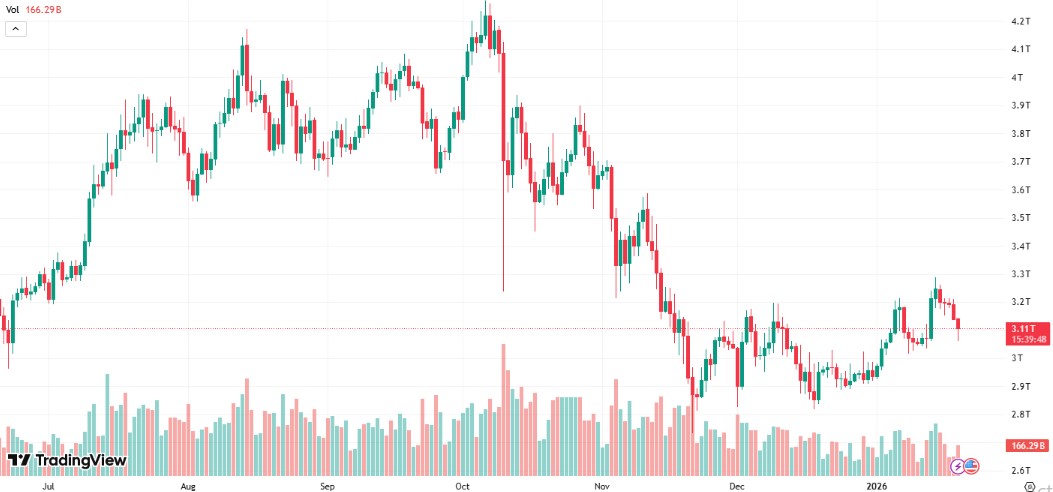
On the other hand, where billions in value are wiped out from cryptocurrency and traditional marketplaces, precious metals are rallying on record prices. This trend shows how traders are moving toward safe-have assets while trade war triggers fear on risk assets.
However, at the same time, marketplace experts clarified that such flash corrections are common in crypto markets. CoinMetrics historic data shows that nearly 70% of crypto market drops above 4% during 2021–2022 recovered within a week, suggesting such flash corrections are common in Leveraged markets.
So from here – Is this a healthy market reset or the start of deeper volatility?
Understanding Causing Factors: Trump Tariffs Fuel Risk-Off Sentiment
The market reaction followed President Donald Trump’s January 18 announcement of new tariffs on European imports. The proposal includes a 10% tariff starting February 1 on goods from eight European countries including Germany, France, UK, and Netherlands, with plans to raise it to 25% by June 1 if negotiations fail to favour Washington.
European leaders quickly condemned the move, calling it coercive and destabilizing. The union also called an emergency meet-up and decided to put up to 100% retaliation, before agreeing on talks.
Giving fuel to the moment, France’s President Emmanuel Macron called for the EU to activate its powerful “anti-coercion instrument,” a trade weapon to counter economic blackmail which uses targeted tariff, investment limits.

Although the tool is not being used yet, it could limit American access to EU markets, block US banks from the union’s contract, and target major US tech companies.
These escalating tensions, started from TRUMP tariffs, shifted investors to cut exposure from riskier assets to safe haven physical metals.
Over $680 million in crypto long positions were liquidated within hours, driven by fading derivatives momentum, thin liquidity, and heavy leverage. These forced liquidations intensified the drop, pushing prices lower at speed.
Stocks and Metals: Reactions Varied
The impact of Trump tariffs was not limited to crypto. U.S. stock futures declined as well, reflecting broader concerns over global growth. The S&P 500, the Nasdaq 100, and the Dow Jones all slipped into red as investors priced in higher costs, weaker profits, and rising geopolitical risks.
European markets also faced pressure, while safe-haven assets setting records. Gold surged to significant highs of around $4,660, while silver also touched the $94 range.
While the crypto market, for now, trading below where many major assets lost their values more than 2%, is expected to surge back once the situation gets neutralized.
What Comes Next?
As long as Trump tariffs dominate headlines, markets are likely to stay volatile. Whether this shakeout clears the path for recovery or signals deeper stress will depend on how trade talks unfold in the coming weeks.
