Trump’s 1%+ Rate Cut Plan by 2026 Sends Markets into Tailspin

Markets are scrambling as a bombshell proposal hits the financial world.
The Blueprint for Cheap Money
The plan outlines an aggressive timeline, targeting interest rates at 1% or lower within the next year. It's a full-throttle push for liquidity that bypasses traditional Fed caution.
Traders Left Guessing
Confusion reigns on trading floors. The move throws conventional monetary policy playbooks out the window, creating a volatility cocktail that has analysts reaching for the antacid. Some whisper it's a masterstroke for growth; others see a desperate gambit dressed up as strategy—typical political financial engineering, really.
A New Frontier for Assets
This environment doesn't just change the game; it rewrites the rules. Such drastic rate cuts historically fuel alternative asset classes, pushing capital to the fringes in search of yield. It's a potential rocket booster for decentralized finance and digital stores of value as investors flee negative real returns.
The clock is ticking to 2026. Whether this is genius or folly, one thing's clear: the era of predictable money is over.
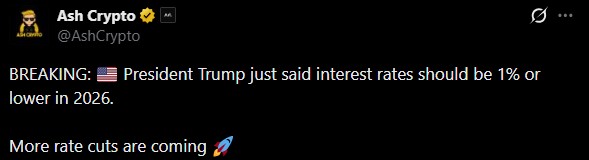
Although the Federal Reserve operates independently, presidential influence over future leadership matters. A Fed chair aligned with Trump’s preference for lower rates could also shift long-term policy expectations.
Trump Pushes for Aggressive Rate Cuts
Trump’s comments come at a time when the Federal Reserve has already begun easing monetary policy. The central bank recently delivered a 25 basis points cut, the third Fed rate cut of the year, lowering the benchmark rate to 3.5%–3.75%, but signaled that further cuts may slow.
The Fed projects only one more cuts in 2026
Markets still price in two cuts next year
Futures traders see a high probability of no price change in January
Trump, however, made it clear that he favors a much more aggressive approach. He argued that significantly lower rates WOULD support economic growth, reduce government borrowing costs, and Boost financial markets, including equities and crypto
His remarks were confirmed by major media reports and come alongside growing discussion about appointing a new Fed chair, with former official Kevin Warsh frequently mentioned, who is also a supporter of reduced levy policy.
Market and Crypto Reaction So Far
Historically, lower rates are considered bullish for crypto because they increase liquidity and reduce returns on safe assets. However, recent reactions show that markets are now more sensitive to federal reserve guidance, not just the cut itself.
On December 10, the crypto market reacted sharply to the Fed rate cut announcement. Within 24 hours, the total crypto market fell around 3%, extending earlier month losses. Bitcoin dropped nearly 2.5%, while Ethereum and major altcoins underperformed.
Talking about current conditions, it aligns with the previous one as the broader market is down 1.74% today, with bitcoin at $90,423 (-2%) and ethereum at $3,112 (-3.92%).
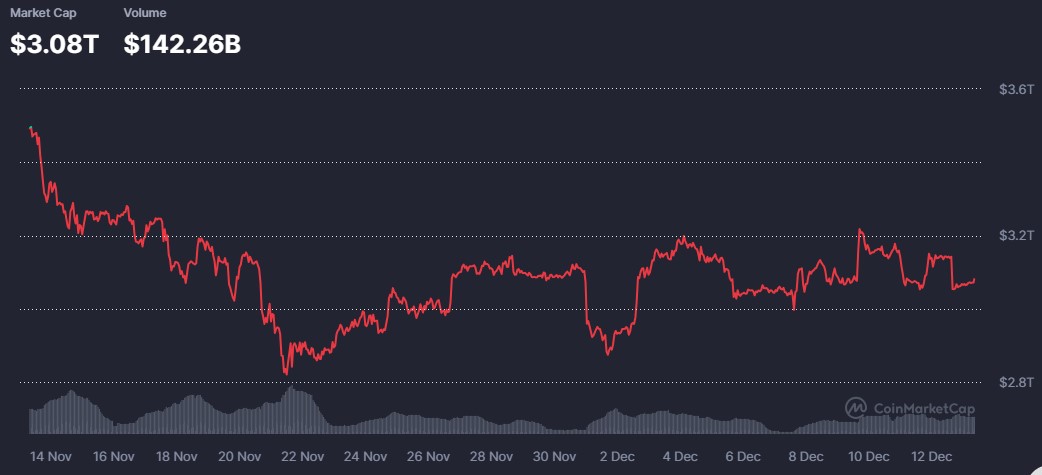
Looking ahead, if Trump’s vision of 1% interest level in 2026 gains traction, crypto could benefit in the long term. Sustained lower rates typically support risk assets like Bitcoin. Still, short-term volatility is likely if the Fed pauses cuts or inflation concerns return.
Why Rate Cuts Are Being Discussed Frequently
Rate cuts are mainly being considered to support economic growth, housing affordability, and borrowing conditions. Lower rates reduce mortgage costs, help businesses access cheaper capital, and ease pressure on consumers.
At the same time, inflation remains a concern. the4 Central bank officials want to avoid cutting too quickly and risking another inflation surge. This is why policymakers stress that future decisions will remain data-dependent, balancing growth support with price stability.
