Trump’s Green Light on Chip Sales to China Sends Shockwaves Through Crypto Markets

Policy shift triggers immediate market recalibration—digital assets brace for ripple effects.
The Geopolitical Catalyst
A major regulatory pivot just rewired the risk landscape. The decision to resume advanced semiconductor exports dismantles a key tech barrier, injecting immediate uncertainty into digital asset valuations. Mining hardware supply chains, AI-driven trading algorithms, and the entire infrastructure layer now face a new set of variables. It's the kind of exogenous shock that turns spreadsheets into abstract art overnight.
Market Mechanics in Motion
Liquidity patterns are shifting. Traders are re-pricing geopolitical risk premiums that had been baked into crypto for years. Expect volatility as capital reallocates between perceived safe havens and growth narratives tied to computational power. The move effectively decouples a segment of tech growth from its former political constraints—a classic case of markets finding a way, policy intentions be damned.
The Ripple Effect
This isn't just about cheaper mining rigs. It's about signaling. When high-stakes tech embargoes ease, it recalibrates global risk appetite. Capital flows follow, often with the subtle grace of a herd of elephants. AI crypto projects, decentralized compute networks, and any asset tied to raw processing power are now in the spotlight. The narrative is shifting from scarcity to potential abundance—a powerful driver in a space built on narratives.
Watch the tape, not the headlines. The real action will be in the derivatives market and OTC desks, where the smart money places its cynical bets long before the retail crowd finishes reading the tweets. Sometimes, the most bullish signal for crypto is traditional finance getting its wires crossed.

Summarize the content using AI

ChatGPT

Grok
The ongoing tension between the United States and China over artificial intelligence is a significant concern for the cryptocurrency market and the broader risk asset markets. The competition has intensified to the point where former President Donald Trump initially prohibited the sale of advanced chips to China. This might have appeared favorable for U.S. AI innovation but was detrimental for chip manufacturers like NVIDIA and AMD, who stood to lose billions in sales to China. Fortunately, this restriction has been lifted.
ContentsBreaking News in CryptocurrencyAI and Market VolatilityBreaking News in Cryptocurrency
Recently, Trump authorized Nvidia to sell its previously negotiated H200 chips to China. Several months ago, executives from companies like Intel and NVIDIA met privately with Trump, attempting to secure permission for chip sales by offering incentives. Intel agreed to transfer a portion of their shares to the U.S., and NVIDIA promised to share significant proceeds from sales with the U.S. government.
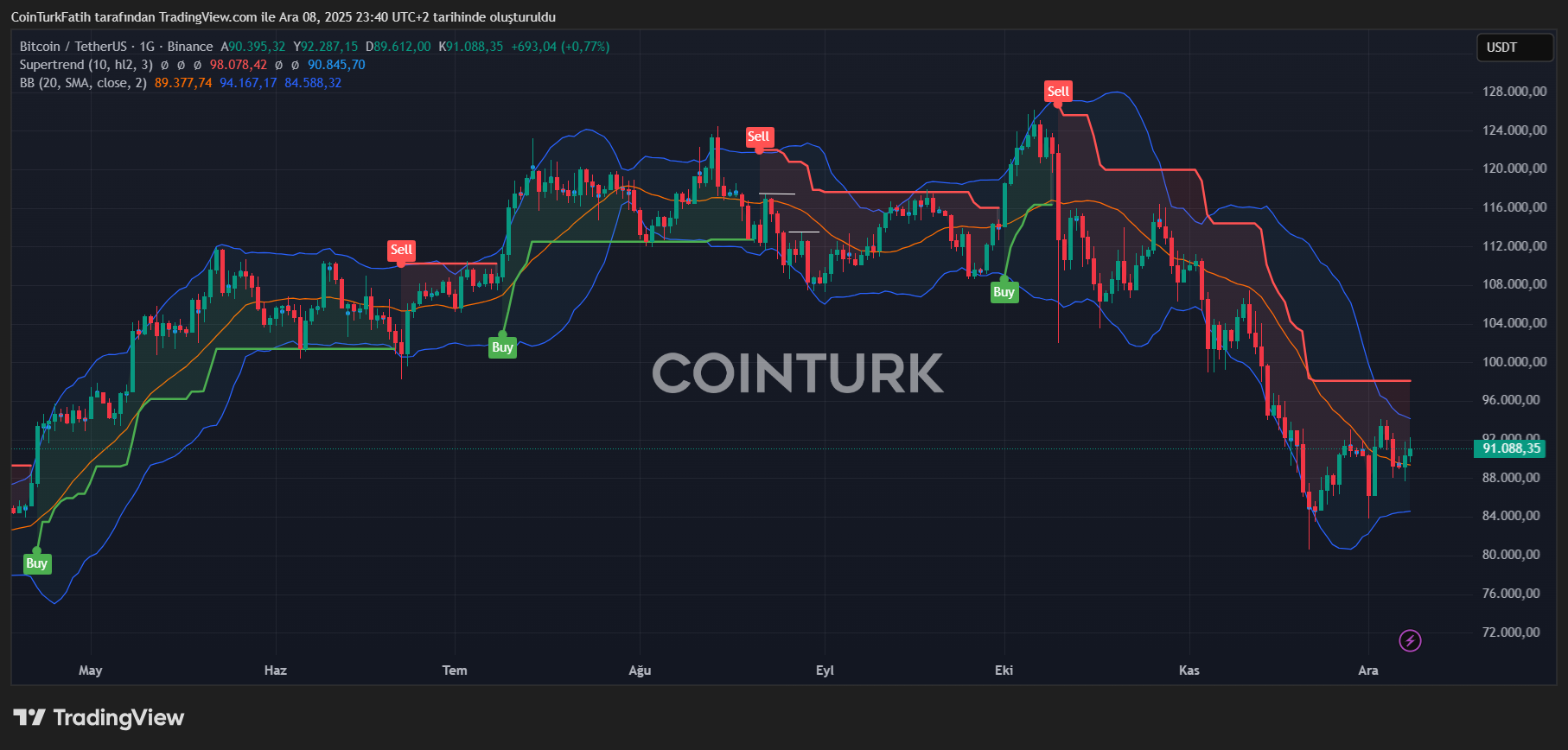
In response to the embargo, China declared that it WOULD cease using American chips. However, with Trump’s latest announcement, sales to China are now allowed. The President informed Xi Jinping that the U.S. would permit NVIDIA to ship its H200 products to authorized Chinese customers, with 25% of the proceeds to be paid to the U.S. Blackwell chips are excluded from this agreement.
AI and Market Volatility
Amid the ongoing discussions about an “AI bubble,” TRUMP is aware of the recent setbacks in the stock market and the potential for more significant disruptions. Thus, we are witnessing some policy reversals. Trump also indicated plans for a substantial announcement regarding AI companies this week. Should the AI excitement lead to a FOMO (fear of missing out) frenzy, cryptocurrencies are poised to benefit from this market exuberance. Cryptocurrencies often echo the performance of technology stocks, showcasing similar volatility and growth potential when conditions are favorable.