When Fiat Fails, Crypto Fills the Gap – Argentina’s Real-World Proof

Fiat crumbles, digital assets rise. Argentina's economic turmoil reveals a new financial reality playing out in real-time.
The Peso's Plunge Creates a Crypto Lifeline
Sky-high inflation and capital controls choked traditional finance. Citizens needed an escape hatch—cryptocurrencies delivered. Peer-to-peer Bitcoin and stablecoin trading volumes exploded as people bypassed broken banking systems to preserve value and move money.
Decentralization Cuts Out the Middleman
No waiting for bank approvals. No arbitrary withdrawal limits. Digital wallets and decentralized exchanges handed financial control back to individuals, proving that when gatekeepers fail, permissionless networks step in. It's a masterclass in practical utility, not theoretical speculation.
Beyond Speculation: Daily Survival Tools
Forget trading for lambos. Argentinians used crypto for groceries, remittances, and savings. Stablecoins became digital dollar proxies—a safe harbor from a currency losing value by the hour. This wasn't about getting rich; it was about staying afloat while traditional finance offered little more than life jackets full of holes.
The Inevitable Shift Gains Momentum
Each fiat failure accelerates adoption. Argentina joins a growing list of nations where cryptocurrencies transition from alternative assets to essential infrastructure. The pattern is clear: trust in legacy systems erodes, demand for sovereign financial tools spikes.
The old guard dismisses it as a gamble—ironic, considering their track record of managing inflation into triple digits. While central bankers debate theoretical risks, citizens are building practical solutions with code and cryptography. The gap is widening, and crypto isn't just filling it—it's building a bridge to the other side.
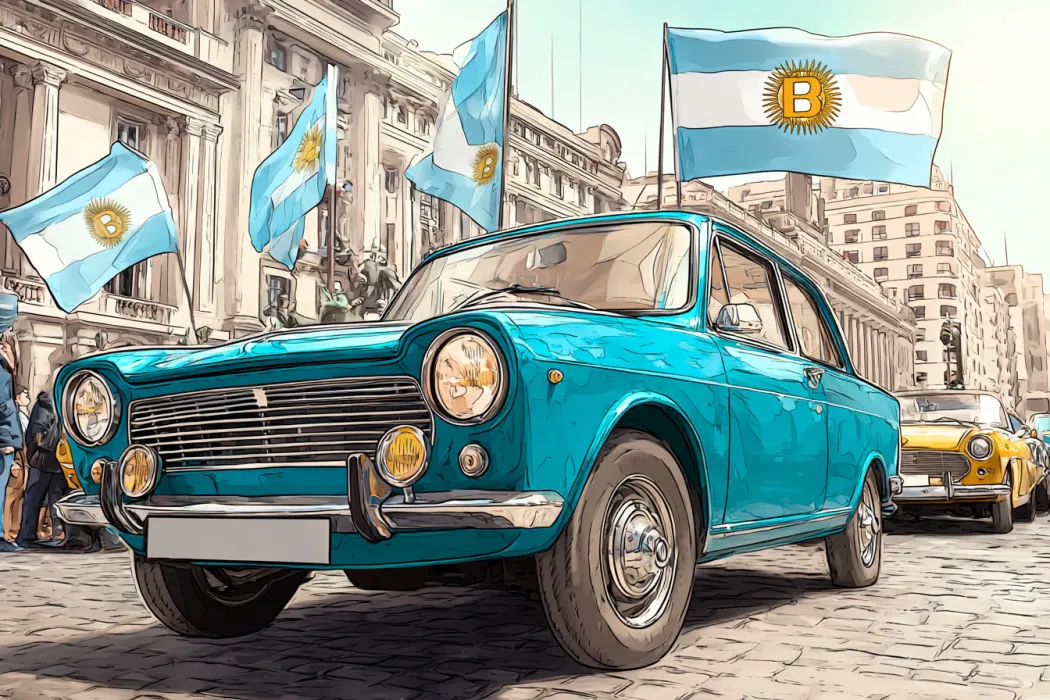
In few places is crypto more embedded in daily life than Argentina, where the state of the economy has pushed digital assets from fringe investment to essential financial infrastructure. Stablecoins now power grocery runs, rent payments and even informal wage transfers.
That reality helps explain why state-owned energy corporation YPF (Yacimientos Petrolíferos Fiscales) is now reportedly exploring Bitcoin payments at its fuel stations — not as a tech novelty, but as a response to how Argentines already transact. The move is just one sign of a wider shift: digital assets have seeped into almost every corner of the economy, from stablecoin-backed purchases at supermarkets to the government recognizing Bitcoin in enforceable contracts.
YPF's plan may rely on an external processor instead of direct wallet transactions. They WOULD use local and international platforms like Lemon, Ripio, or Binance to handle conversions. This evaluation comes two months after YPF became the first fuel chain in the country to price and process transactions in US dollars, when it began accepting payments in greenbacks at its stations.
The program sprang from Economy Minister Luis Caputo's broader campaign to encourage the circulation of hard currency, with the goal of stabilizing transactions and restoring faith in the peso.
If put into action, the mechanism would mirror YPF's existing methods for getting US dollars. Customers may send money to YPF's Banco Santander account by scanning a QR code; the app would display the peso equivalent and a reference rate calculated from Banco Nación's buying prices.
The nation's high inflation and economic instability have a role in this decision, since they make cryptocurrency a more appealing choice for everyday transactions. The widespread use of digital currencies as a payment mechanism in regular trade is greatly enhanced by this development.
In addition to tackling Argentina's skyrocketing inflation, the integration will help the country deal with the difficulties caused by its unstable peso currency.
If adopted, this marks a groundbreaking moment for Argentina in embracing cryptocurrency payments. This development could pave the way for broader acceptance in the nation and in other economies grappling with comparable financial hurdles.
Argentina's Expanding Crypto Adoption
According to the Global Crypto Adoption Index for 2025, Argentina came up at number twenty.
There are two types of centralized services in the country: retail (number 18) and institutional (number 19). This is indicative of the fact that both smaller and larger enterprises are showing a marked preference for cryptocurrency.
Argentina is experiencing a surge in cryptocurrency usage, driven by soaring inflation. Millions are turning to stablecoins for everyday transactions, utilizing platforms such as Mercado Pago for their shopping needs.
The nation stands out on the world stage for its adoption of stablecoins, boasts a significant rate of cryptocurrency engagement among its younger population, and features more than 6,000 informal outlets for converting crypto to cash.
This increase is further bolstered by an expanding pool of talent in the Web3 space, along with significant developments such as the government's acknowledgment of bitcoin in legally binding agreements.
Among countries that have adopted stablecoins, Argentina comes out with a rate of 61.8% as a hedge against peso volatility.
In Argentina, about 5 million people use crypto every day, and many young people use digital asset wallets as their primary source of income. Thanks to apps like Mercado Pago, nearly all stores in major cities now accept USD-pegged stablecoins as payment.
More than 6,000 unofficial OTC stores are facilitating crypto-to-cash conversions, and businesses are introducing debit cards that let customers convert stablecoins to pesos just when they buy them.
Bitcoin is now officially recognized by the government as a legal tender for use in contracts.
With 4-6% of the ethereum codebase, the nation enjoys the highest percentage among non-English speaking nations, demonstrating a substantial talent pool in the Web3 domain.
Even though it's becoming more mainstream, the country has had its fair share of disagreements over the Libra cryptocurrency. Posting his support for Libra (LIBRA) memecoin on X in February, President Javier Milei caused its price to skyrocket to $4 billion before crashing 94% an hour later.
Opposition figures demanded Milei's impeachment, and investors suffered massive losses totaling hundreds of millions of dollars as a consequence of the move. But Milei insisted he hadn't done much more than "spread the word" about the token.
Victims of the Libra memecoin's collapse – which caused an estimated $250 million in damages for investors – have had their assets frozen by Argentina's federal tribunal.
A federal judge directed the seizure of three people's digital wallets, bank accounts, and property. The purpose of this step is to stop the possible hiding or transfer of funds associated with fraud.
The Parallel Economy
The Argentine people's economic engagement is profoundly affected by the country's protracted economic difficulties and excessive inflation. But that's only one part of the story overall — inflation included.
The narrative revolves around a widespread mistrust of government and banks, along with the heavy taxes that force Argentineans to engage in unchecked businesses.
Even if Argentina's stablecoin volumes are over $90 billion, there's still over $200 billion in circulation, with a lot of it stashed away. After the US, it is the second-largest holder of US dollars in circulation.
Why the Stablecoin Revolution?
Argentina is currently navigating a challenging socioeconomic landscape, characterized by a rise in poverty and extreme poverty levels, restricted access to healthcare and nutrition, a contracting job market, and considerable obstacles to maintaining livelihoods, among other pressing concerns.
Individuals in Argentina are seeking out options beyond traditional avenues for financial stability. Stablecoins and physical US currency are both components of a vast underground market where people seek refuge from the persistent economic uncertainty.
Stablecoins pegged to the US dollar have emerged as a crucial resource for numerous Argentines navigating stringent foreign exchange rules and an unstable peso.
Cryptocurrency has transformed from a speculative asset into a vital financial instrument, enabling individuals to protect themselves against inflation and significant currency devaluations by navigating between official and parallel market rates.
An example of this shift is the novel "rulo" arbitrage method, which uses stablecoins to profit from the 7% spread between the official peso currency and the better parallel market rate.
Skilled traders can convert pesos to stablecoins and back again quickly, making a profit of up to 4% every time.
This approach highlights the growing importance of cryptocurrency in Latin America, where it is moving from being a speculative investment to a vital tool for economic resilience amidst rising inflation, tight capital restrictions, and political instability.
It also shows how stablecoins can be practical.
Stablecoins are increasingly woven into Argentina's economic landscape, serving as a safeguard against currency risk, even amid worries regarding regulation and taxation.
We can observe comparable patterns in Bolivia and Venezuela, both nations grappling with volatile fiat currencies that have sought refuge in cryptocurrency as a more reliable option.
Increasing tension exists between oversight and advancement as authorities confront these emerging economic truths.
Ultimately, Argentina's circumstances underscore the essential function of stablecoins as a financial backbone during periods of institutional breakdown, indicating potential transformative shifts in global monetary practices.
Elsewhere
Sony Blockchain Partner Startale Launches Institutional Stablecoin for Soneium EcosystemUSDSC debuts with native rewards system as Japan advances digital currency frameworks









Podcast
This week the Licensed to Shill panel dives into the dynamic world of Central Asia, a region rapidly emerging as a pivotal hub for trade and innovation. Anthony Howe from the Global Finance Technology Network (GFTN) joins us to explore the untapped potential of this region, particularly focusing on Georgia's strategic role in the middle corridor.
Tune in at blockcast.blockhead.co or on Spotify, Apple, Amazon Music, or any major podcast platform.

Blockhead is a media partner for Consensus Hong Kong 2026. Readers can save 20% on tickets using exclusive code at this link.
