Crypto Extortion Hits Strait of Hormuz: Scammers Exploit Shipping Crisis with Bitcoin Demands

A major maritime risk firm has issued a stark warning that cryptocurrency extortion is now targeting global shipping through the Strait of Hormuz. Marisks revealed Monday that at least one vessel that came under fire while attempting to exit the strategic waterway may have been following fraudulent instructions from criminals posing as Iranian security services, who demanded transit fees paid exclusively in Bitcoin or Tether (USDT) for promised safe passage.

Fake Officials, Real Consequences
Marisks was direct: the messages are fraudulent. They do not come from Iranian authorities, the firm said.
Tehran has not publicly addressed the situation.
The scam follows a pattern designed to look credible. Recipients are told to submit documents for review. Once verified, they are assigned a fee in cryptocurrency. Pay it, the messages say, and safe transit will be arranged at an agreed time.
It is a structured process — one built to look official enough that desperate ship owners might believe it.
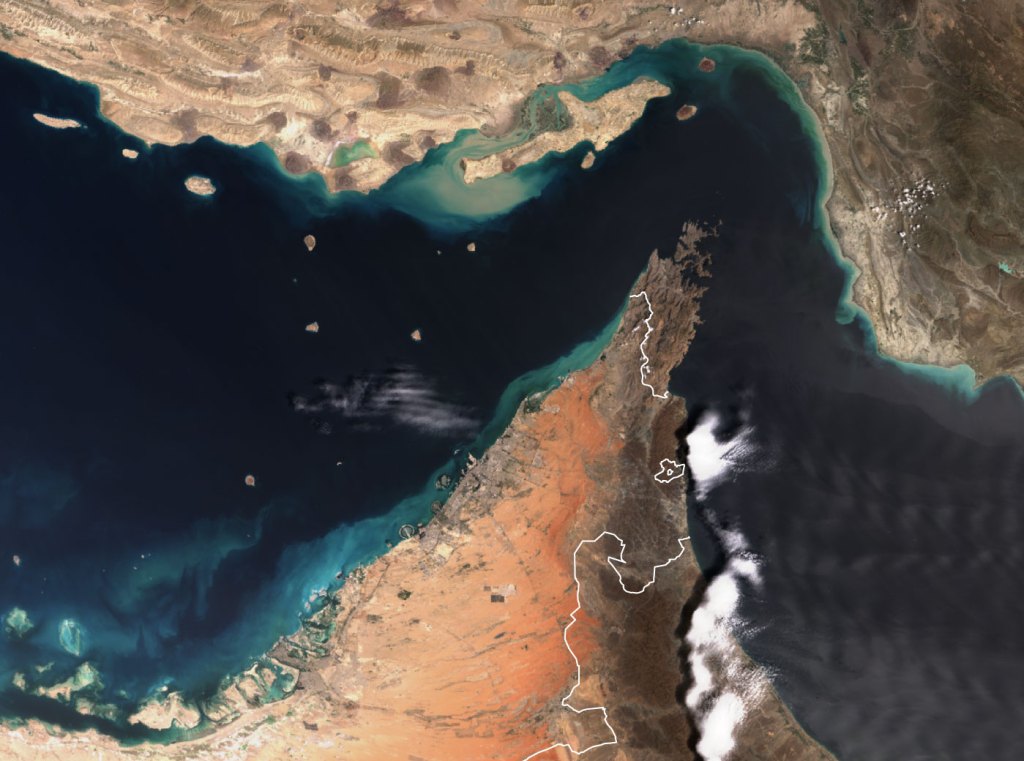
The timing is no accident. The Strait of Hormuz has been largely closed since conflict escalated in the Middle East. Before hostilities, the waterway carried roughly 20% of the world’s oil and liquefied natural gas.
Ships have been stranded for days, some under threat of armed intervention. That pressure creates exactly the kind of desperation scammers rely on.
Reports earlier this month indicated that Iran itself had been weighing a real Bitcoin-denominated toll on vessels passing through the strait — charging around $1 per barrel for loaded tankers while letting empty ships through free.
The scam appears to have grown directly out of that reporting, borrowing its credibility from a policy that was already in the news.
Sanctions Risk Adds To The Danger
For shipping companies tempted to pay, the financial and legal exposure goes beyond losing money to criminals.
According to Chainalysis senior intelligence analyst Kaitlin Martin, any cryptocurrency transfer tied to Iranian-controlled waterways could be classified as material support — a designation that puts companies in potential violation of US and international sanctions.
Entities linked to the Islamic Revolutionary Guard Corps fall under some of the strictest sanctions in force.
That means victims of the scam could face legal scrutiny even after being defrauded. Paying what appears to be a ransom to free a stranded vessel could trigger the same sanctions mechanisms designed to punish deliberate violators.
Featured image from Unsplash, chart from TradingView

Log in to Reply
Log in to comment your thoughtsComments
Related Articles
|Square
Get the BTCC app to start your crypto journey
Get started today Scan to join our 100M+ users