Ethereum Hits Critical Milestone: 30% of Supply Locked as Whales Gobble Up ETH During Price Dip

Whales are circling—and they're buying the dip. A massive 30% of all Ethereum is now locked away, pulled from circulation as major investors see weakness as a screaming opportunity.
The Great Ethereum Lock-Up
Forget trading—accumulation is the new game. While retail investors fret over short-term charts, the big players are executing a long-term strategy. They're not just buying; they're effectively removing coins from the market, creating a supply shock in slow motion. It’s a classic power move, straight out of the traditional finance playbook—just with digital wallets instead of vaults.
Weakness? More Like a Fire Sale
Price drops aren't triggers for panic in these circles; they're invitations. The data doesn't lie: when ETH stumbles, whale wallets swell. This isn't speculative day-trading. It's strategic positioning, betting that today's discount is tomorrow's regret for those on the sidelines. The accumulation pattern is relentless, almost mechanical, showing a conviction that fundamentals trump fleeting sentiment.
The Coming Supply Crunch
Locking 30% of anything changes its economics. For Ethereum, it means the liquid supply available for trading or dApp fuel is shrinking fast. Basic economics suggests what happens next when demand meets a constricted supply—even the Wall Street suits who still call it 'magic internet money' understand that math. It’s a cynical but effective hedge: hoard the asset while everyone else is distracted by the daily noise.
The message is clear. While the market fixates on price, the smart money is building positions. This level of supply lock-up isn't a passive event; it's a deliberate bet on Ethereum's future infrastructure role. The whales aren't just waiting for a bounce—they're engineering one, one locked ETH at a time. Typical finance—creating a shortage and then selling you the solution later at a premium.
Ethereum Staking Demand and Supply Impact
The record staking ratio, now above 30% of total supply, shows a structural change in Ethereum’s supply dynamics. Validators locking ETH must commit to long lead times before withdrawing, and the current exit queue remains minimal relative to new stakes.
From a liquidity perspective, staking removes tens of billions of dollars worth of ETH from active circulation. Reduced liquidity could amplify price moves if demand resurges, but it also raises questions about near-term volatility amid current macroeconomic conditions and broader crypto market pressures.
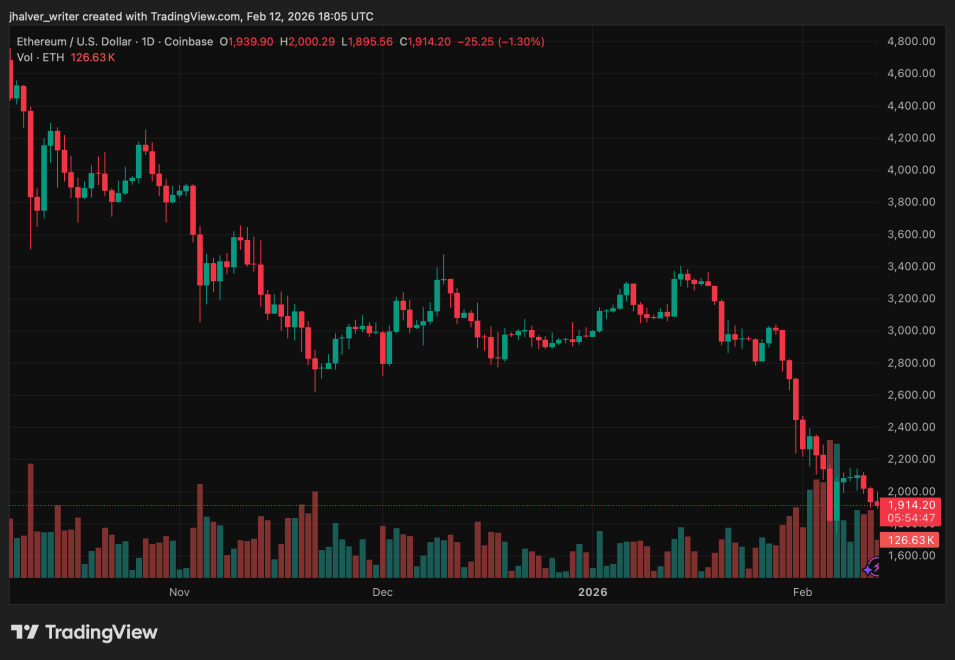
Recent price weakness has seen ETH trade below key support levels, with analysts noting a mix of technical vulnerability and potential for renewed accumulation at lower levels.
Whale behavior also underscores this theme. On-chain metrics show that larger holders have been modifying their exposure, with some reducing reserves while others increase positions, particularly via staking channels that minimize selling pressure.
Market Outlook on ETH Price Amid Locked SupplyEthereum’s price action remains sensitive to broader market drivers, including macroeconomic data and liquidity flows within the crypto sector. However, the growing share of staked ETH alters the supply picture: with nearly one-third of tokens locked, immediate sell pressure may be constrained.
Analysts suggest that this supply tightening, combined with whale accumulation, could play a significant role in price behavior if market sentiment shifts.
Related Reading: Bitcoin Buying Spree May Continue With New Preferred Stock Plan: Strategy CEO
The convergence of record staking levels and targeted accumulation creates a backdrop in which Ethereum’s fundamental network engagement strengthens even as prices lag, setting the stage for a potentially different phase in the asset’s market cycle.
Cover image from ChatGPT, ETHUSD chart on Tradingview
