Crypto Developers Could Get Long-Term Shield Under New Senate Bill

Washington just threw a potential lifeline to the builders in the trenches. A new Senate proposal aims to carve out legal protections for crypto developers—shielding them from the regulatory crossfire that’s stalled innovation and spooked talent.
The Regulatory Firewall
For years, developers have operated under a cloud of uncertainty. Write a line of code today, face a lawsuit tomorrow. This bill seeks to change that by distinguishing between the creators of decentralized protocols and the entities that might later misuse them. It’s a push for clarity in a space where the rules have been written in vanishing ink.
Why This Matters Now
The timing isn’t accidental. With global jurisdictions racing to establish crypto hubs, the U.S. risks a continued brain drain. Top-tier developers aren’t sticking around to be test cases for novel legal theories. This legislation is a direct attempt to stop the bleeding and keep the architect minds onshore.
The Fine Print & The Fight Ahead
Don’t pop the champagne yet. The bill must navigate a political minefield. Expect debates over the definitions of ‘decentralization’ and ‘sufficient development’ to be fierce. Skeptics will argue it creates a loophole; proponents will counter that it’s a necessary safe harbor for foundational work. It’s a classic D.C. tug-of-war—where the only certainty is lobbying fees going up.
Bottom Line: A Shield, Not a Sword
This isn’t a get-out-of-jail-free card for bad actors. It’s a targeted defense for the core act of building open-source, decentralized infrastructure. If it passes, it could unlock a new wave of American-led protocol development. If it fails, the exodus continues. Sometimes, the most bullish signal isn’t on the chart—it’s buried in a Senate subcommittee draft. Of course, Wall Street will probably find a way to securitize and over-leverage the legal protection before it even passes.
Crypto: Bill Aims To Protect Non-Custodial Developers
The draft would create a SAFE harbor for developers who do not control user funds, making liability turn on actual custody or control of assets rather than on the act of creating software. That change would mean node operators, protocol maintainers, and many open-source coders could avoid money-transmitter rules so long as they do not hold or direct users’ tokens.
Writing code is not the same as controlling money and developers who build blockchain infrastructure without touching user funds shouldn’t be treated like banks. @RonWyden and I are ensuring that won’t happen. pic.twitter.com/9zIgh07e0b
— Senator Cynthia Lummis (@SenLummis) January 12, 2026
Industry Pressure And A History Of Concern
Reports have disclosed months of lobbying from exchanges, developer groups, and advocacy coalitions that urged lawmakers to clarify this point. Those groups warned that without clear language, developers could face licensing and enforcement risks that would chill US-based development. The House version of the measure first appeared in May last year and set out similar safe-harbor text.
Lawmakers have paused a larger Senate market-structure push while they work through a range of open issues, including stablecoin policy and yield rules. With that broader package pushed later into the month, sponsors moved the developer protections into a standalone bill to give that issue its own spotlight. Reports suggests the pause means Congress may act on the developer language sooner than the full market bill.
Some protocol teams and industry lawyers welcomed the step as a much-needed clarification, saying it would reduce legal uncertainty for projects that do not custody funds.
Others urged care, noting that clear definitions will be crucial to prevent loopholes and to make sure bad actors cannot hide behind the safe harbor. Coverage indicates sponsors emphasized the bill’s goal is narrow: protect those who build and maintain, not those who handle other people’s assets.
The proposal for a separate law is being introduced while there are still many uncertainties surrounding how cryptocurrencies will be regulated in the US. In the latter part of 2025 and into 2026, the crypto sector has demonstrated that it has a great deal of clout within political circles in Washington D.C.
There has been a significant increase in lobbying by large crypto-related businesses as legislators review various options for regulating this industry. Several reports have linked the current political environment to the legislative actions taken to regulate crypto in Congress, as well as how interest in legislative action has increased due to Trump’s administration.
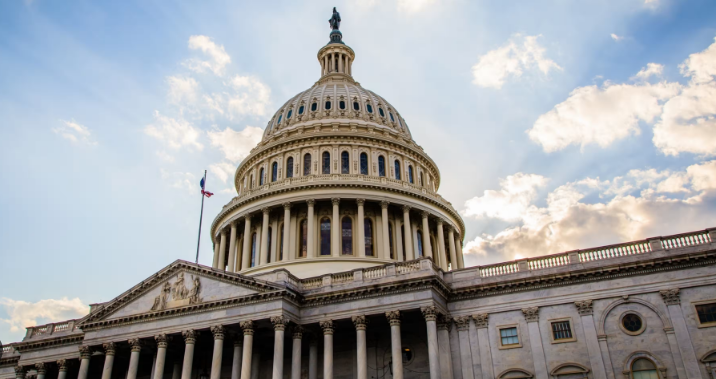
Featured image from Unsplash, chart from TradingView
