Japan’s Crypto Policy Shift: What It Means for Markets Before Major Macro Moves

Japan's financial regulators are shaking up the rulebook—and crypto markets are watching closely.
Regulatory Winds Shift
The Financial Services Agency (FSA) is reportedly softening its stance on digital assets, a move that could unlock billions in institutional capital. New proposals might ease listing requirements for altcoins and relax strict custody rules that have long kept global exchanges at bay. It's a calculated pivot, signaling Tokyo's ambition to reclaim its spot as a financial innovation hub—not just for traditional finance, but for the digital frontier.
Macro Decisions Loom
This policy shift doesn't exist in a vacuum. It lands just as the Bank of Japan faces pressure to adjust its ultra-loose monetary policy. Traders are now weighing two potential catalysts: friendlier crypto regulation and a possible shift away from negative interest rates. The combination could supercharge market volatility—or create a perfect storm of confusion. After all, when central bankers and regulators move at the same time, someone's usually left holding the bag.
The Institutional On-Ramp
Japan's $15 trillion pension fund market has been eyeing crypto for years, held back by regulatory red tape. If the FSA's new framework provides clarity, even a tiny allocation from these giants would send shockwaves through liquidity pools. Local exchanges are already repositioning, with several announcing new trading pairs and custody solutions aimed at corporate treasuries. It's a classic case of build-it-and-they-might-come—assuming the numbers finally make sense for the suits in the boardroom.
Global Ripple Effects
Tokyo's move pressures other financial centers to keep pace. Singapore and Hong Kong have been battling for crypto supremacy in Asia, but Japan's mature financial ecosystem and deep liquidity pools give it a unique edge. Watch for copycat regulations across the region as jurisdictions compete for talent and capital. Because nothing inspires bureaucratic action like the fear of missing out on the next tax revenue stream.
Bottom Line: Japan is placing a strategic bet on digital assets just as global macro uncertainty peaks. The timing is either brilliant or reckless—typical finance, really. Whether this becomes a blueprint for mature markets or a cautionary tale depends entirely on what happens next. One thing's certain: the market hates uncertainty almost as much as regulators love creating it.
Crypto Moves From Payments to Investment Rules
Under the proposed framework, cryptocurrencies WOULD be treated more explicitly as financial products rather than payment tools. Oversight would move under securities-style rules, aligning crypto trading closer to traditional investment markets.
The FSA has emphasized stronger investor protection, particularly around token offerings. Exchanges handling initial exchange offerings would be required to provide detailed disclosures, including the identities of issuers, token distribution methods, and independent code audits.
The framework mirrors elements seen in the EU’s MiCA regime and South Korea’s crypto laws, including explicit bans on insider trading and tighter controls on unregistered or overseas platforms serving Japanese users. Rather than signaling deregulation, the shift suggests Japan is standardizing its crypto space.
Tax Reform Sends a Different Signal
Alongside tighter oversight, Japan is preparing a significant tax reform. Crypto gains, currently taxed as miscellaneous income at rates that can reach 55%, are set to MOVE to a flat 20% rate. This would place digital assets on similar footing with stocks and other capital assets.
The proposal reflects years of pressure from investors and startups, who have argued that punitive taxation has pushed activity offshore.
While the regulatory net tightens, the tax cut points toward an effort to keep capital and innovation within Japan, potentially improving long-term participation rather than encouraging short-term speculation.
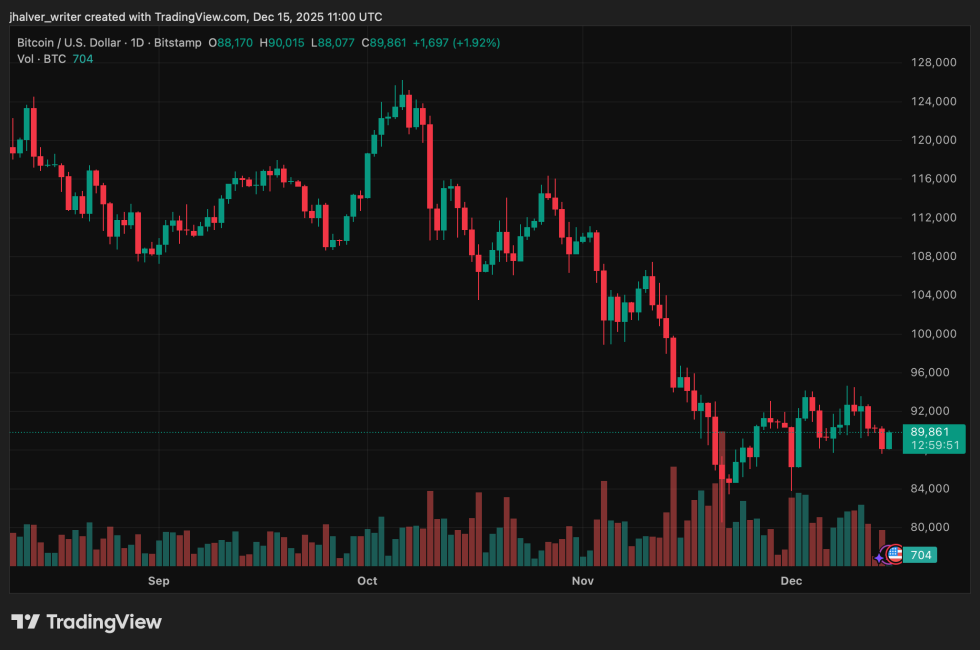
Macro Pressure Still Shapes Market BehaviorDespite policy shifts that appear supportive on paper, market reaction has been muted. Assets such as XRP have remained range-bound even amid Japan-related developments, reflecting low volumes and liquidity fragmentation rather than enthusiasm or fear.
Similarly, macro forces loom larger. The BoJ is expected to hike rates later this month, a move that has historically coincided with risk-off behavior in crypto as yen liquidity tightens. Japan is also preparing to offload over $500 billion in ETFs at a slow pace, underscoring policymakers’ caution about destabilizing markets.
Related Reading: Bitcoin Makes The Cut As Brazil’s Largest Private Bank Issues 2026 Guidance
Japan’s crypto policy reset looks less like a catalyst and more like a backdrop. Whether it ultimately supports prices may depend less on regulation itself and more on how liquidity, rates, and risk appetite settle once key macro decisions are out of the way.
Cover image from ChatGPT, XRPUSD chart from Tradingview
