iPhone 17 Unveils Revolutionary Crypto Security: Your Digital Assets Just Got Fort Knox-Level Protection

Apple's latest flagship shatters expectations with hardware-level encryption that makes previous security measures look like child's play.
The Vault Upgrade
Built-in secure enclave now supports multi-signature wallet protection and biometric authentication that even nation-states would struggle to breach. Private keys never leave the device—not even Apple gets access.
Mainstream Adoption Catalyst
This isn't just another feature drop—it's corporate validation that digital assets deserve enterprise-grade security. Suddenly that 'risky crypto' narrative sounds about as outdated as a flip phone.
The Ironic Twist
Meanwhile traditional banks still can't secure your data better than a PDF password. Maybe they should focus less on fighting crypto and more on not getting hacked every other Tuesday.
Security Function Targets Crypto Wallet Vulnerabilities
The iPhone 17 uses the new A19 chip, enabling a Memory Integrity Enforcement (MIE) system. The mechanism detects and blocks memory-based vulnerabilities such as buffer overflows or use-after-free errors. These weaknesses are frequently used in attempts to breach crypto wallets.
MIE makes it harder for attackers to compromise private keys or assets stored on the phone. Smartphones are now central to financial activity, including digital asset storage. Because of this, expectations for wallet security are increasing. The addition of MIE shows the growing need to address more advanced cyber threats.
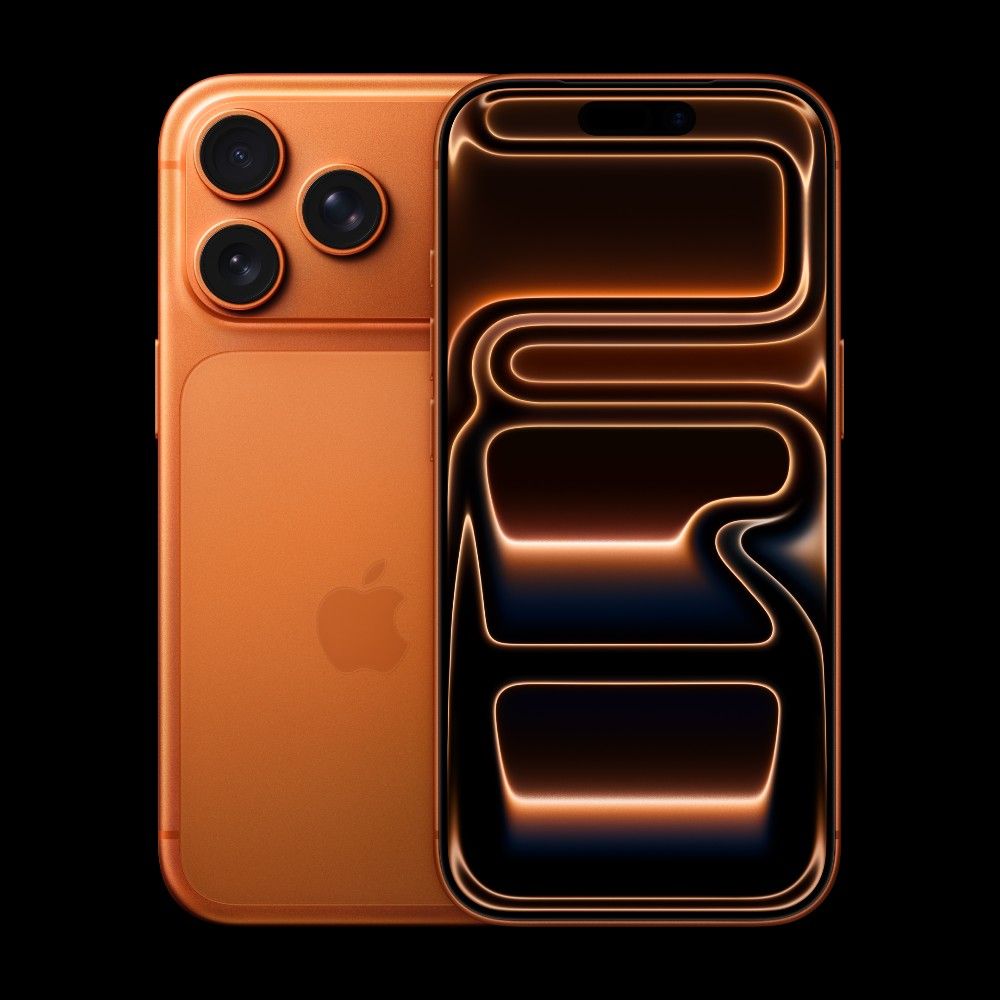
As crypto values rise, attackers gain more substantial incentives, and hackers deploy increasingly complex techniques aimed at phones and wallet applications.
The introduction of MIE indicates Apple is dedicating resources to counter these risks. Consumers see little change in retail prices. Yet development costs for new security systems are growing.
Device Prices Remain Stable While Crypto Values Increase
Data from CoinGecko shows iPhone prices in US dollars have been stable since the iPhone 11 in 2019. For example, the iPhone 11 launched at $699, the iPhone 12 at $799, and the iPhone 16 at $799. During the same period, however, cryptocurrencies such as Bitcoin (BTC) and ethereum (ETH) have risen sharply in value.
As a result, the amount of crypto required to buy an iPhone has decreased significantly. The iPhone 17, priced at $799 in 2025, costs approximately 0.0072 BTC, about half the price of the 0.0140 BTC required for the iPhone 16. In Ethereum terms, the iPhone 17 costs about 0.1866 ETH, down from 0.3386 ETH the previous year.
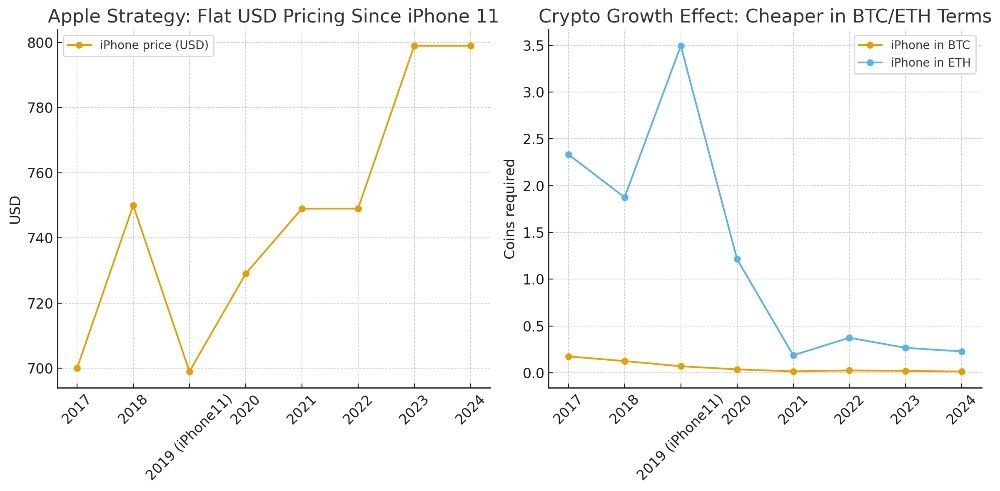
The contrast highlights how steady hardware pricing interacts with volatile financial markets. It also shows how cryptocurrencies are increasingly viewed as long-term stores of value rather than purely speculative assets. The affordability paradox will continue if Apple holds prices steady while crypto values increase.
