Latin America’s Crypto Awakening: Why Bitcoin Reigns Supreme in El Salvador and Bolivia

Forget Wall Street's cautious dabbling—Latin America is diving headfirst into crypto's deep end. While regulators elsewhere wring their hands, El Salvador and Bolivia are writing the playbook for real-world Bitcoin adoption.
King BTC's Tropical Throne
Two years after becoming the first nation to adopt Bitcoin as legal tender, El Salvador's bet keeps paying off. Remittances now bypass traditional banking rails entirely, with Lightning Network transactions settling faster than a Miami crypto bro can say 'liquidity crunch.' Meanwhile, Bolivia's underground dollarization crisis has birthed a thriving P2P BTC market—because when your currency implodes, digital gold starts looking mighty attractive.
The Remittance Revolution
Cross-border payments in the region now move at meme-stock velocity. Workers sending wages home from the US and Europe increasingly opt for BTC's borderless rails over Western Union's 19th-century pricing. No surprise—when fees eat 10% of every transaction, even Dogecoin starts looking fiscally responsible.
Sleeping Giant or Strategic Latecomer?
Latin America isn't just adopting crypto—it's reinventing financial infrastructure out of necessity. While New York hedge funds debate ETF approvals, campesinos are mining Bitcoin with hydroelectric power. The lesson? When your traditional finance system fails you, you'll try anything—even something that makes Goldman Sachs' risk models combust.
 BTC ▼-2.32%, gold, tokenized securities, cash, or government bonds.
“The goal is to position El Salvador as a regional operational base for private capital,” – Legislative statement
Both Brazil and Bolivia have also joined El Salvador as major adopters of bitcoin and cryptocurrencies – are we seeing Latin America pivot to become the crypto capital of the world?
Bitcoin News Today: Bolivia Trades Monopoly Money For USDT and BTC
While El Salvador builds its crypto regime through legislation, Bolivia’s shift is happening at the street level. The country lifted a decade-old ban on digital assets last year, and in the first half of 2025, crypto payments have surged fivefold to nearly $300 million.
Stablecoins such as USDT are now in circulation everywhere from coffee stands to universities, filling the gap as inflation climbs to a 34-year high of 25%.
At this point, the Boliviano feels like Monopoly money, and the only board game anyone’s playing is called “How Fast Can You Swap to BTC or Tether.” Can anybody seriously create that? We’d play it.
“When they can’t access hard currency and need to make urgent payments, crypto becomes a viable alternative,” – Oswaldo Barriga, Bolivian business leader
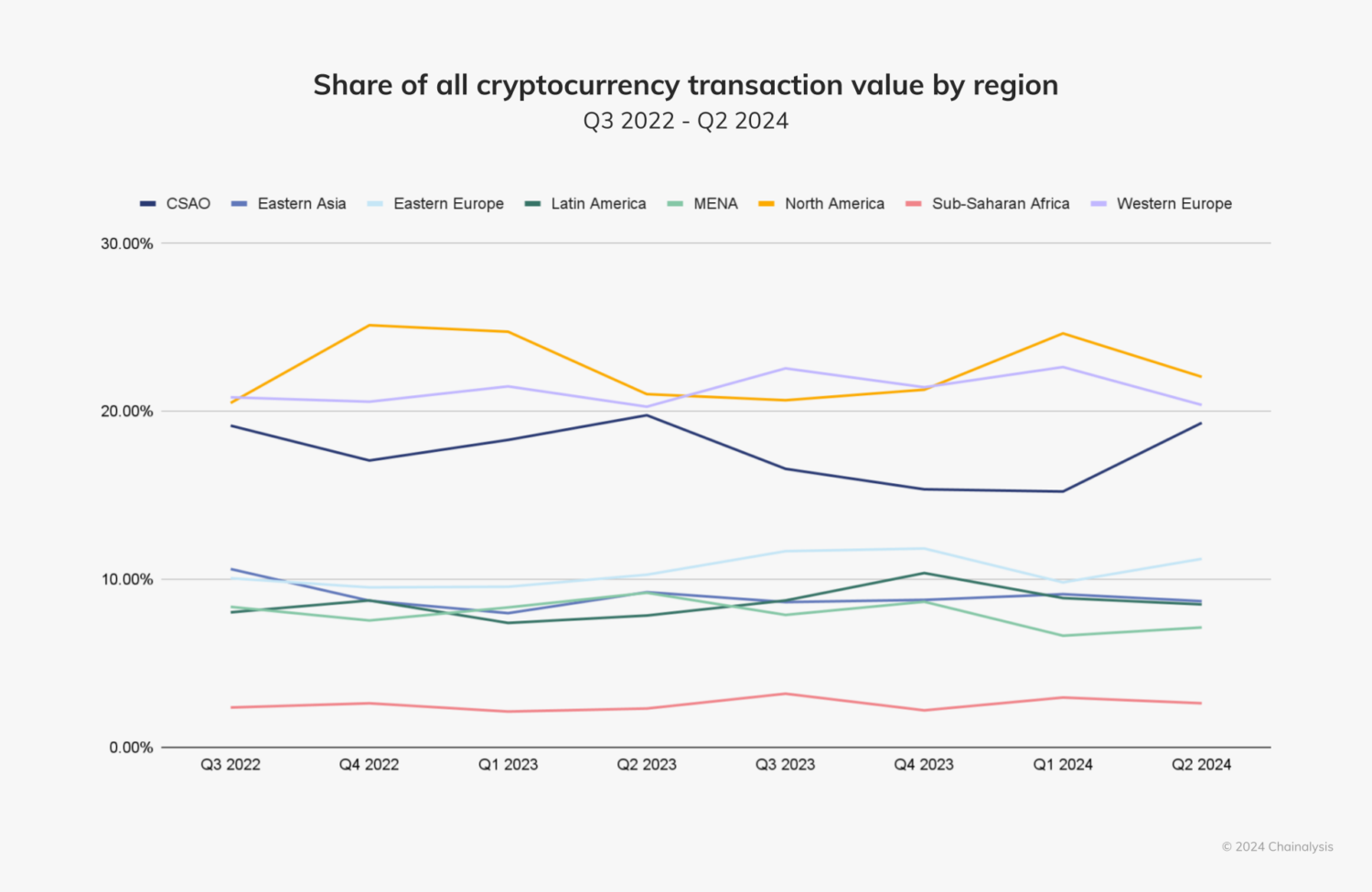
CoinGlass data indicate that stablecoin transaction volumes in Latin America have surged over 400% year-over-year, with Bolivia ranking among the fastest-growing markets. While most flows involve USDT, there’s also been a marked uptick in BTC.
In El Salvador, institutional crypto flows remain modest but are expected to grow as the new banking law enables Bitcoin-focused financial services.
99Bitcoins analysts note that the overlap between private capital inflows and digital asset infrastructure could position the country as a regional crypto-finance hub.
Bottom Line
In Latin America, two paths toward crypto adoption are unfolding at once. El Salvador is constructing a framework to court big money and regulated players. Meanwhile, Bolivia is watching ordinary people swap into digital assets out of sheer economic necessity. Both approaches are accelerating the region’s shift into the crypto era.
This isn’t even getting into Brazil, where nearly 20% of the population owns cryptocurrencies according to the latest data, or Venezuela, which is adopting to combat inflation.
South America is emerging as one of the few regions where cryptocurrency’s value proposition is obvious. Here, it’s less about chasing quick gains than preserving what’s already earned.
Key Takeaways
- The Bitcoin News today opened with El Salvador’s Legislative Assembly passing the Investment Banking Law, creating new rules for BTC.
- Stablecoins such as USDT are now in circulation everywhere from coffee stands to universities in Bolivia.

Log in to Reply
Log in to comment your thoughtsComments
Related Articles
|Square
Get the BTCC app to start your crypto journey
Get started today Scan to join our 100M+ users