Bitcoin ATM Near Me: Find a Crypto Machine & Withdraw Cash Today

Searching for a Bitcoin ATM near me? Whether you want to buy bitcoin in USA or need a crypto machine to sell bitcoin for instant cash, this 2026 updated guide covers the fastest ways to locate verified kiosks, compare operator fees, and navigate the transaction process.
What Is a Bitcoin ATM?
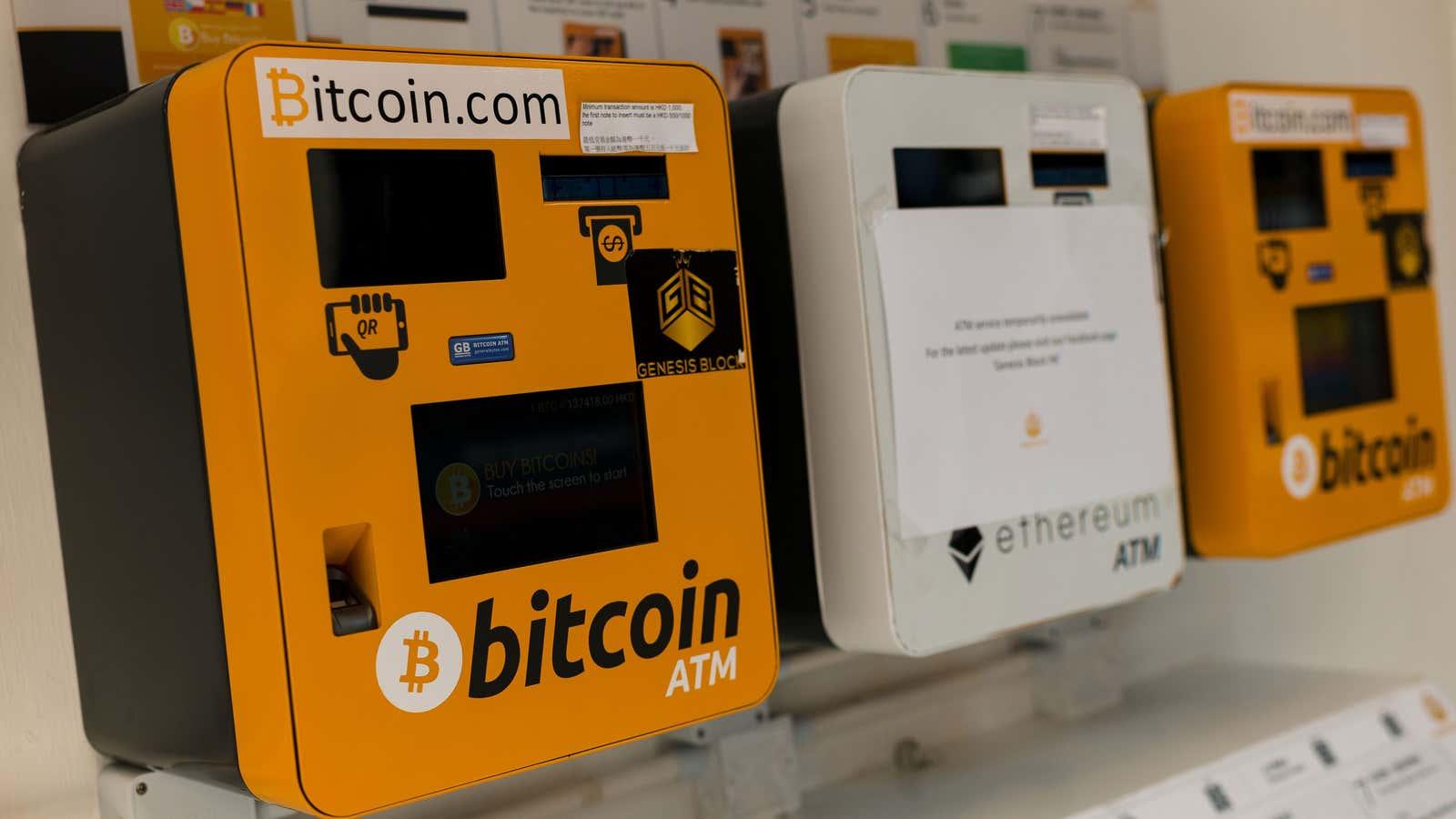
A Bitcoin ATM is a real-life kiosk where you can buy and sometimes sell crypto with cash or a debit card. It doesn’t connect to a bank account; instead, it connects directly to the blockchain network.
Most machines accept Bitcoin, and you can send transactions to a wallet address you give them through a QR code.
In the US, operators usually follow the rules set by the Financial Crimes Enforcement Network, which means that they may need to check the identification of the person making the transaction depending on how big it is.
How to Find a Verified Crypto Machine Near You
The industry standard for finding the most reliable local bitcoin machine is using a verified directory like Coin ATM Radar. These platforms will help you filter by specific needs:
-
Buy & Sell Support: Not all machines are two-way. If you need to withdraw bitcoin to cash, filter for “Sell” enabled kiosks.
-
Operator Reputation: Check user feedback for machine uptime and hidden fees.
-
ID Requirements: US operators (controlled by FinCEN) often require ID for transactions exceeding specific restrictions.
-
Real-time Rates: Spreads might vary from 6% up to 20%. Checking online ahead helps avoid “sticker shock” at the machine.
Why Use a Bitcoin ATM for Selling?
Our data shows a large rise in users looking for bitcoin atm near me. A crypto machine does the following, unlike internet exchanges who require 1-3 days to send monies to your bank:
- Immediate Cash-out: Walk away with physical currency in minutes.
- Privacy & Ease: No need to connect traditional bank accounts to the kiosk.
- Physical Security: Conduct your transaction in well-lit public places such as convenience stores or malls.
Step-by-Step: How to Use a Crypto Machine
It is easy to use a local bitcoin machine if you follow these steps:
Part 1: Buying Crypto
-
Install a Wallet: Have your mobile wallet (e.g., Trust Wallet, BlueWallet) ready.
-
Scan Your QR: Select “Buy” and scan your wallet’s “Receive” address.
-
Insert Cash: Feed bills into the machine.
-
Confirm: The crypto machine sends the coins directly to the blockchain.
Part 2: Withdrawing Cash (The “Sell” Process)
-
Select “Sell Bitcoin”: Choose the cash amount you wish to withdraw.
-
Send BTC to Kiosk: The machine will print a voucher or show a QR code. Send the exact amount of BTC from your wallet to this address.
-
Wait for Confirmation: Unlike buying, selling requires 1-2 blockchain confirmations (usually 10-20 minutes).
-
Redeem Cash: Once confirmed, the machine will dispense your cash or provide a redemption code.
Bitcoin ATM Fees & 2026 Market Trends
As of 2026, Bitcoin ATM fees remain greater than exchange fees, reflecting the ongoing costs of physical upkeep and regulatory compliance. But in times of significant volatility, the interest of retail in “atm for cryptocurrency” surges because:
-
Short-term traders use cash to buy dips instantly.
-
Hedgers move digital gains into physical cash during market uncertainty.
-
Local users prefer the “kiosk” experience over complex online KYC processes.
How to Withdraw Cash from a Bitcoin ATM
You can take out cash from the machine if it enables two-way transactions, but the process is different from that of a regular bank ATM. You’re not taking money out of a bank account; you’re selling bitcoin for cash.
This is how it usually works:
Confirm the Machine Supports Selling
Not every kiosk lets you talk to them. Use a reliable directory like Coin ATM Radar to find machines that say “Buy & Sell.”
Select “Sell Bitcoin”
Select “sell” on the screen. The machine will reveal the current exchange rate and maybe the lowest and highest limitations.
Verify Your Identity
You might have to enter a phone number or scan an ID, depending on how much you want. The Financial Crimes Enforcement Network’s rules say that U.S. operators must usually meet compliance criteria.
Send Bitcoin to the Operator Wallet
A QR code is made by the ATM. You transmit the right amount of Bitcoin from your wallet to that address. Always double-check before you confirm; you can’t undo a crypto transfer.
Wait for Network Confirmation
The machine keeps an eye on blockchain confirmations. How long it takes to process depends on how busy the network is. Some operators lock in the rate right away, while others wait for confirmation.
Collect Your Cash
Once the ATM has confirmed, it gives you the agreed amount of cash.
From Local Purchase to Professional Trading
Once you have acquired your Bitcoin through a local bitcoin machine, the next step is optimizing your portfolio. Moving from a high-fee ATM environment to a regulated exchange allows for lower costs and advanced tools.
- Transfer to Exchange: Send your ATM-purchased BTC to a platform like BTCC.
- Access Futures & Spot: Unlike an ATM, an exchange lets you hedge your position or trade with leverage.
- Enhanced Security: Use 2FA (Two-Factor Authentication) to protect your assets.
Start Your Trading Journey with BTCC
For users moving from cash to structured trading, BTCC offers a seamless transition. Many traders start with a small deposit (around $200) to test the platform’s execution and risk management tools.
/ You can claim a welcome reward of up to 30,000 USDT🎁\
Conclusion
The bridge between physical and digital economies is finding a Bitcoin ATM near me. Whether you’re utilizing a crypto machine for its speed, privacy or convenience of cash always check the operator’s costs and location safety first.
Don’t just hold crypto – trade it wisely. After your first cash buy, think about moving to a controlled environment to maximize your investing potential.
FAQs
How much does a Bitcoin ATM charge per $100?
Fees usually range from 6% to 20%, embedded in the exchange rate. Always check the final Bitcoin amount displayed before confirming.
Do I need ID to use a Bitcoin ATM?
In most U.S. cases, yes. Operators follow compliance standards set by Financial Crimes Enforcement Network, requiring phone or ID verification above certain thresholds.
Can I sell Bitcoin at a Bitcoin ATM?
Yes, if the machine supports two-way transactions. You send Bitcoin to the operator’s wallet and receive cash after confirmation.
Are Bitcoin ATMs safe?
They are generally safe when operated by licensed providers. Most risks come from user mistakes or external scams.
Is it cheaper to buy Bitcoin online?
In most cases, yes. Exchanges usually provide tighter spreads and lower fees compared to physical kiosks.
Please be aware that all investments involve risk, including the potential loss of part or all of your invested capital. Past performance is not indicative of future results. You should ensure that you fully understand the risks involved and consider seeking independent professional advice suited to your individual circumstances before making any decision.
For any inquiries or feedback regarding this article, please contact us at: [email protected]