Crypto Payment Methods
- 1The Best Ways to Buy Bitcoin with Apple Pay in 2026
- 2How to Buy Crypto with PayPal in 2026: The Complete Beginner’s Guide
- 3How to Buy Crypto with Credit Card Instantly: A Beginner's Guide
- 4How to Buy Bitcoin with a Prepaid Visa/Mastercard (2026 High-Approval Guide)
- 5How to Buy Bitcoin with Apple Pay: A Complete Step-by-Step Guide
- 6How to Buy Bitcoin With Bank Account : Fees, Speed & Smart Tips
- 7How to Buy USDT with Apple Pay Instantly in USA (2026 Beginner’s Guide)
- 8How to Buy Bitcoin with Bank Transfer in the USA (Low Fees 2026 Guide)
How to Buy Bitcoin with a Prepaid Visa/Mastercard (2026 High-Approval Guide)


If you’ve ever attempted to purchase Bitcoin on major global exchanges using a prepaid card, you’ve likely encountered the frustrating “Payment Method Not Supported” notice.
To mitigate fraud and regulatory risks, legacy fiat-to-crypto gateways frequently implement blanket bans on prepaid Visa and Mastercard gift cards. However, for users seeking privacy, fast access, or an alternative to linking a primary bank account, prepaid cards remain a highly sought-after payment method.
This 2026 update analyzes how payment routing affects your approval rates, which platforms offer the highest compatibility, and how to successfully complete a transaction without your card getting declined.
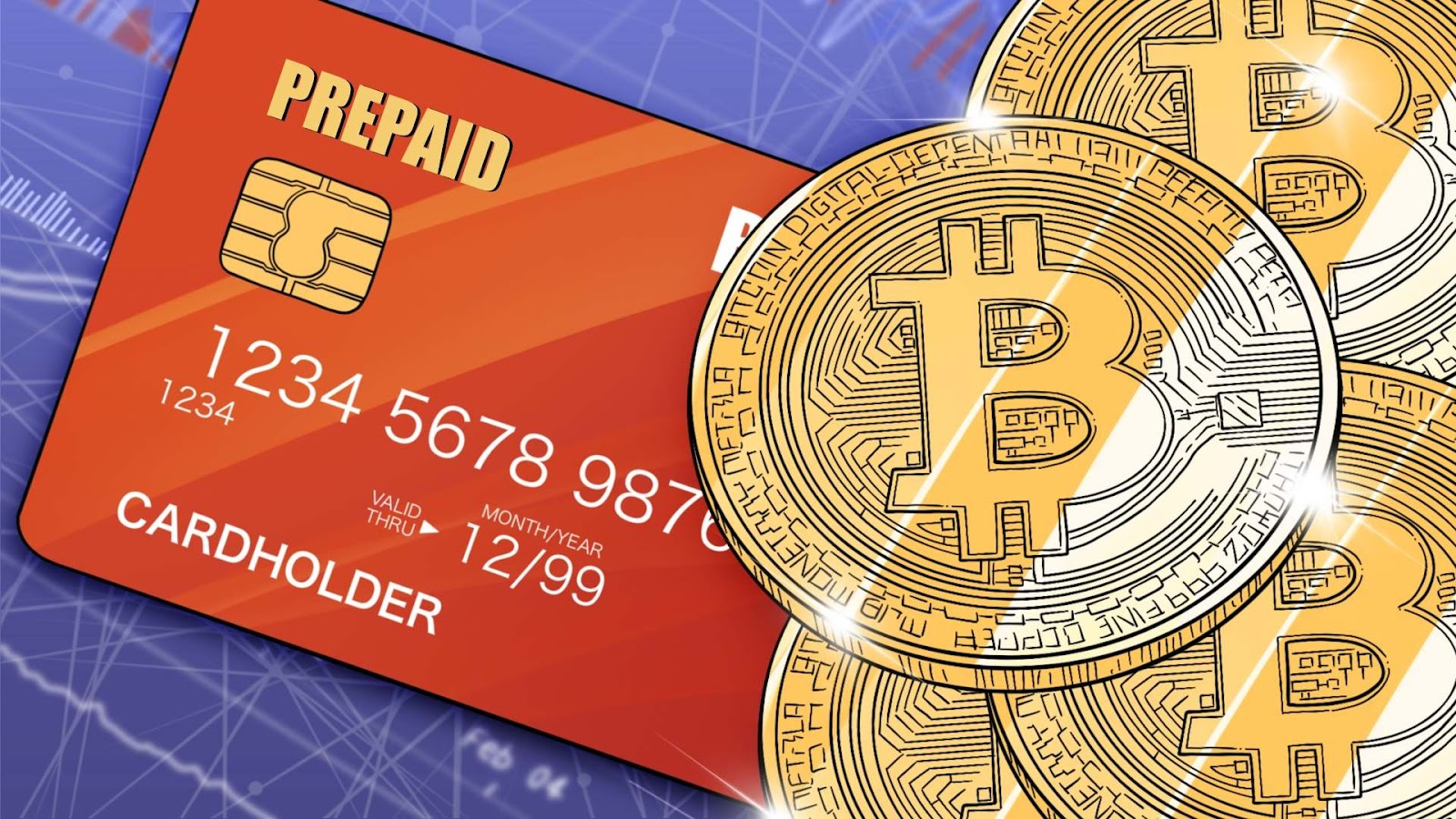
Why 90% of Prepaid Card Crypto Purchases Fail
Understanding the underlying payment infrastructure is key to ensuring your next transaction goes through:
-
AVS (Address Verification System) Mismatch: Non-reloadable cards (such as standard Visa gift cards bought at grocery stores) rarely have a registered billing address. When a crypto exchange’s processor checks the AVS, the transaction is automatically flagged and blocked.
-
MCC (Merchant Category Code) Restrictions: Financial institutions categorize crypto purchases under MCC 6051 (Non-Financial Institutions – Foreign Currency/Crypto). Many prepaid card issuers hard-block this specific code by default.
-
Risk Mitigation Filters: Mainstream platforms prefer low-risk, fully-reversible ACH or wire transfers, leading them to deploy strict filters against prepaid card bins.
The Solution: Success relies on using platforms that aggregate alternative third-party fiat channels (like Simplex, Banxa, or MoonPay’s widget) which utilize multi-routing technology to process prepaid cards similarly to traditional debit cards.
Data Comparison: Prepaid-to-Crypto Platforms
The table below analyses how various platforms handle prepaid card transactions based on speed, access hurdles, and routing mechanics rather than testing at random:
| Platform | Estimated Success Rate | Minimum Purchase | Registration Requirement | Primary Routing Mechanism |
| BTCC | ~92% (High Compatibility) | Low ($10 – $20) | Quick Account Setup | Multi-Gateway Aggregators |
| BitPay | ~70% (Medium Compatibility) | High ($50+) | BitPay ID Verification | Direct Partner Channels |
| MoonPay | ~65% (Medium Compatibility) | Medium ($30+) | Tiered Identity Check | Proprietary Merchant Account |
Best Platforms to Buy Bitcoin With a Prepaid Card
When evaluating where to use a prepaid card, platforms generally fall into two categories: dedicated institutional brokers or liquidity/fiat aggregators. Below are three choices currently maintaining active routing channels for prepaid card users.
1. BTCC
BTCC operates primarily as a high-liquidity crypto platform, but its integrated fiat-to-crypto on-ramps are highly optimized for alternative card types.
-
How it handles cards: Instead of relying on a single restrictive payment processor, its infrastructure links to diverse third-party liquidity providers. This setup dynamically routes transactions, meaning a reloadable Visa or Mastercard is often recognized by the system as a standard debit card.
-
Pros: Very low minimum order threshold ($10–$20), making it highly suitable for users testing small prepaid balances; clean user interface designed for immediate asset conversion.
-
Cons: Depending on your jurisdiction and the specific fiat partner selected at checkout, basic identity verification (KYC) may still be prompted to comply with anti-money laundering policies.
Exclusive Event for US Users:
BTCC has officially launched a 0% Fee Fiat Deposit Promotion tailored specifically for newcomers in the United States.
• Eligibility: US users who have completed KYC but have not yet made their first fiat deposit.
• Offer: Enjoy zero processing fees when depositing via Worldpay or Velanspay (selected as Visa/MasterCard or Visa/MasterCard 1 at checkout).
• Event Period: June 10, 2026, 10:00:00 – July 10, 2026, 23:59:59 (UTC+8).
• Join Now: Visit the official BTCC US Deposit 0 Fees Event Page to claim your zero-fee benefits.
2. BitPay
BitPay is an established pioneer in crypto payments. It is an excellent option provided you have registered a valid billing address to your prepaid card via the issuer’s website.
-
How it handles cards: BitPay’s system searches across several backend providers to see which liquidity pool is currently accepting your card’s specific BIN (Bank Identification Number).
-
Pros: Deep ecosystem; allows you to easily pivot into paying merchants directly with crypto or loaded balances.
-
Cons: Higher minimum purchase requirements and stricter initial identity verification (BitPay ID) before you can initiate a purchase.
3. MoonPay
MoonPay acts as a widely integrated fiat-to-crypto on-ramp used across hundreds of non-custodial wallets (like Trust Wallet or MetaMask).
-
How it handles cards: It processes transactions through its own optimized global merchant account.
-
Pros: Extremely reliable uptime and widely trusted across the Web3 ecosystem; ideal as a backup solution if other direct platforms experience regional gateway maintenance.
-
Cons: Convenience comes at a cost; total processing and network fees can escalate up to 4.5% depending on the card issuer and region.
Step-by-Step: Maximizing Your Approval Rate
If you want to ensure your transaction clears successfully on platforms that utilize multi-gateway routing (such as BTCC or BitPay), follow this standard protocol:
- Register Your Card (Crucial Step): Go to the website listed on the back of your prepaid card. Log in and assign your actual name and billing address to the card. This resolves the AVS check failure.
- Account Onboarding: Create an account on your chosen platform. Complete any quick identity verification steps required by the platform’s payment processors.
- Calculate the Total Cost Buffer: Prepaid card purchases carry processing fees ranging from 2% to 5%. Ensure your card balance has an extra cushion to cover these fees, or the transaction will fail for “Insufficient Funds.”
- Execute a Micro-Transaction: Always initiate a small test purchase (e.g., $15–$20) first. Once the BTC lands in your account, you can confidently process the remaining balance.
The Reverse Trend: Buying Prepaid Cards with Bitcoin
It’s interesting to note that data from 2026 reveals a sharp increase in consumers searching for the exact opposite transaction: how to use Bitcoin to purchase a Mastercard or Visa gift card.
For users looking to off-ramp their crypto into a spendable, real-world balance without dealing with traditional bank withdrawals, this reverse route is highly efficient:
-
You can utilize crypto-to-gift-card brokers or built-in wallet features to exchange BTC directly for Virtual Visas or Mastercards.
-
The digital card is typically delivered to your secure email within minutes after the blockchain network confirms the transaction, preserving your financial privacy.
Conclusion
Using a prepaid card to purchase Bitcoin is fully viable, but it requires moving away from traditional, rigid exchanges that implement blanket bans. By utilizing platforms with diversified, multi-gateway architectures, you can successfully secure your crypto. Just be prepared to accept slightly higher convenience fees compared to a standard, multi-day bank transfer.
/ You can claim a welcome reward of up to 30,000 USDT🎁\