Why Is XRP Going Down? What Kevin Warsh & Austin Hill’s Signals Mean for Traders

XRP‘s price has been going down lately, and it’s not by chance. It shows a mix of what people think about macroeconomic policy, how regulators feel, and how traders act. Kevin Warsh, who is connected to the Federal Reserve’s policy anticipation, and experts like Austin Hill say that risk assets often go back down before demand comes back up.
In this article, we explain what really caused XRP’s drop, what kinds of traders stay active during declines, how beginners can think about their first $200 trade, and clear, strategic advice on how to safely enter the market and take advantage of volatility. We also talk about how platforms like BTCC give beginners rewards to encourage them to start trading early.
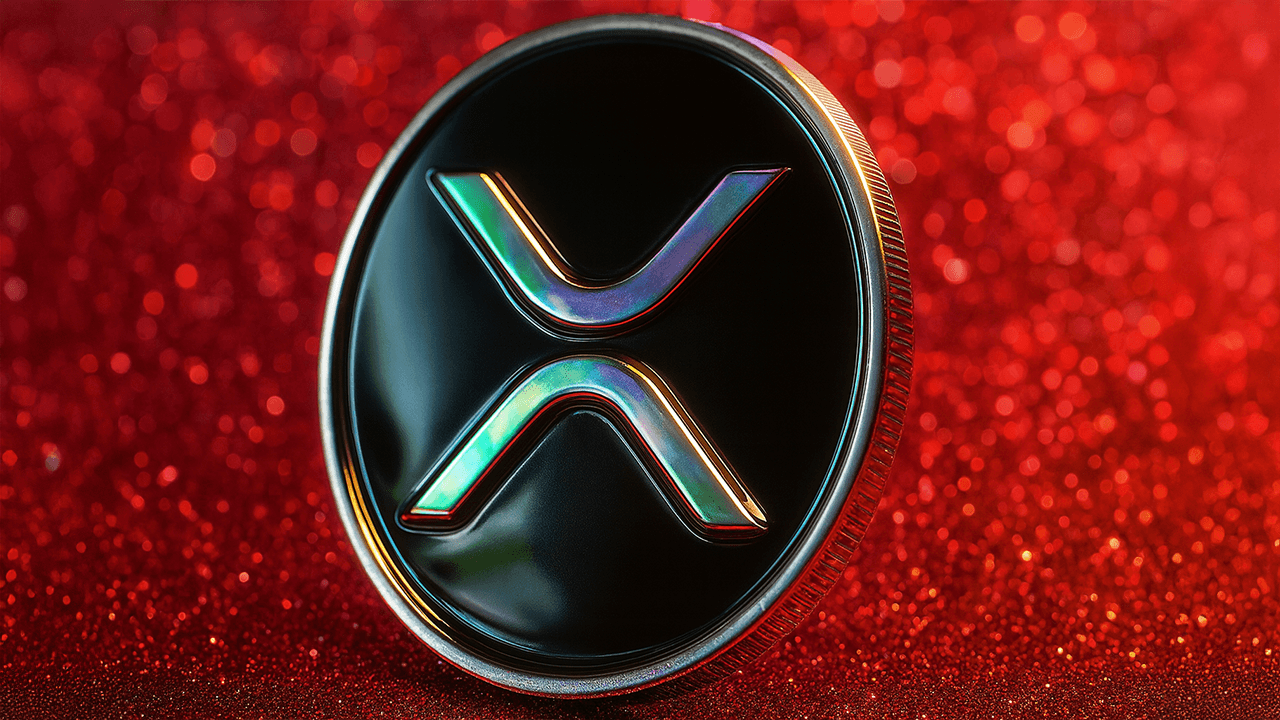
Table of Contents
- Why Macro Signals (Like Kevin Warsh’s Views) Push XRP Lower
- Austin Hill’s Perspective — Narratives, Trade Flow, and Sentiment
- Main Drivers Behind XRP’s Price Drop
- Who Is Buying While XRP Is Down — Where the Real Activity Is
- Why “Now” Is an Opportunity for First-Time XRP Traders
- Simple Beginner Trading Steps
- Conclusion — Down Doesn’t Mean Broken
Why Macro Signals (Like Kevin Warsh’s Views) Push XRP Lower
The nomination of Kevin Warsh as a possible chair of the Federal Reserve scared off risk assets, including cryptocurrencies. Warsh is known for having tighter monetary policy expectations, which makes the U.S. dollar stronger and makes people less interested in speculative assets like XRP. After the announcement, Bitcoin and other major cryptocurrencies, like XRP, fell. This was because of macro risk-off movements and changes in posture.
This is important for newcomers because crypto markets typically move before traditional ones. Speculative assets like XRP can drop more sharply when liquidity circumstances change before the broader markets do.
Austin Hill’s Perspective — Narratives, Trade Flow, and Sentiment
Austin Hill, a market expert, says that recent price movements have been driven by general market emotion rather than XRP-specific fundamentals. When risk appetite is low, it tends to pull down more speculative assets first, especially when global trade tensions, rate expectations, and liquidity conditions are changing.
That means:
•XRP’s drops often happen when investors are feeling less risky across all asset classes.
• Traders cut back on their exposure when sentiment declines for a short time
•But higher structural participation (institutional inflows, settlement use cases) frequently prevents extended drop pressure
In other words, XRP’s price changes more because of how the market feels and how much money is available than because of its own technology.
Main Drivers Behind XRP’s Price Drop
Profit-Taking After Rallies
Many holders took profits as prices hit multi-year highs, which created natural selling pressure even without bad news.
Macro & Liquidity Shifts
Technical Liquidations
Regulatory Sentiment Overhang
Who Is Buying While XRP Is Down — Where the Real Activity Is
Short-Term Traders / Volatility Players
Hedgers & Institutions
Narrative-Driven Buyers
Why “Now” Is an Opportunity for First-Time XRP Traders
If you’re new to trading, declines might be scary. But clear price drops often give:
• Clearly marked risk entry points
• Lower nominal entry prices
• Well-thought-out plans supported by unambiguous stop-loss planning
Start with a small transaction size, like $200, find support zones, set the right stop-loss levels, avoid high leverage at first, and make sure you have a plan before you trade. This strategy helps people learn by doing things, not just by monitoring live pricing broadcasts.And here is where picking the right platform is important. BTCC offers new users tailored welcome rewards based on their first deposit and first transaction. This helps minimize the cost of learning and gives people who take action early a real benefit.
/ You can claim a welcome reward of up to 30,000 USDT🎁\
Simple Beginner Trading Steps
1. Pick a trustworthy platform with strong liquidity, such as BTCC.
2. Deposit your first $200. This provides you real money in the market without putting too much at risk.
3. Choose entry levels that make sense near established support zones.
4. Protect your money with a stop-loss.
5. Take profits in little amounts when the price starts to rise again.
These methods help you learn by doing things, not simply watching.
Conclusion — Down Doesn’t Mean Broken
XRP’s recent drop is more about how the market as a whole is doing than about its fundamentals falling apart. Macro signals related to policy expectations and changing risk sentiment, as seen by speakers like Kevin Warsh and experts like Austin Hill, are part of what makes things temporarily poor.
But temporary weakness frequently shows structured opportunity. New traders can get actual experience and learn in a disciplined way by starting with a defined plan and a manageable amount of money, like $200. BTCC’s welcome bonuses, such the 10% bonus on the first deposit for qualifying deposits and awards for signing up early, can assist lower the cost of trading at beginning while rewarding true execution.
FAQs
Why is XRP falling while Bitcoin is steady?
XRP often amplifies broader sentiment shifts due to stronger perceived speculative risk, while Bitcoin may be supported by macro hedging flows.
Is XRP a good buy during price drops?
Strategic traders can view dips as entry points when backed by risk management and clear plan execution.
Will regulation keep weighing on XRP price?
Regulatory clarity improves over time, but short-term sentiment can still influence price.
Who is buying XRP in a downtrend?
Short-term traders, hedgers, and narrative-driven participants see structured pullbacks as opportunities.
Please be aware that all investments involve risk, including the potential loss of part or all of your invested capital. Past performance is not indicative of future results. You should ensure that you fully understand the risks involved and consider seeking independent professional advice suited to your individual circumstances before making any decision.
For any inquiries or feedback regarding this article, please contact us at: [email protected]