Best Crypto Wallets Australia 2025: Top & Secure Picks!

As the cryptocurrency market continues to gain momentum and governments around the world start recognizing assets like Bitcoin and Ethereum, Australia has seen a surge in digital asset adoption. However, to effectively manage and safeguard these valuable assets, a cryptocurrency wallet is essential. These wallets are crucial for securely buying, selling, trading, and storing digital currencies, as well as validating transaction details to ensure the protection of users’ holdings.
In this article, we will provide an overview of the top crypto wallets available in Australia, including both free and paid options. Our selection is designed to help you choose the best wallet based on your goals and asset types. Since no wallet is perfect for every need, many users choose to use multiple wallets simultaneously—for example, one for staking and another for its Web3 features. Keep reading to discover the ideal crypto wallet that offers robust security, exclusive insights, and tailored solutions for your digital asset management.

BTCC, one of the longest-running crypto exchanges in the world, supports trading for 300+ cryptocurrencies with leverage ranging from 1Χ to 500Χ. If you want to start trading cryptocurrencies, you can start by signing up for BTCC.
\Trade On BTCC With 10 FREE USDT!/
Table of Contents
How do cryptocurrency wallets work?
Types of Cryptocurrency Wallets
How to Choose a Best Crypto Wallet in Australia?
\Trade On BTCC With 10 FREE USDT!/
Ledger Nano S Plus
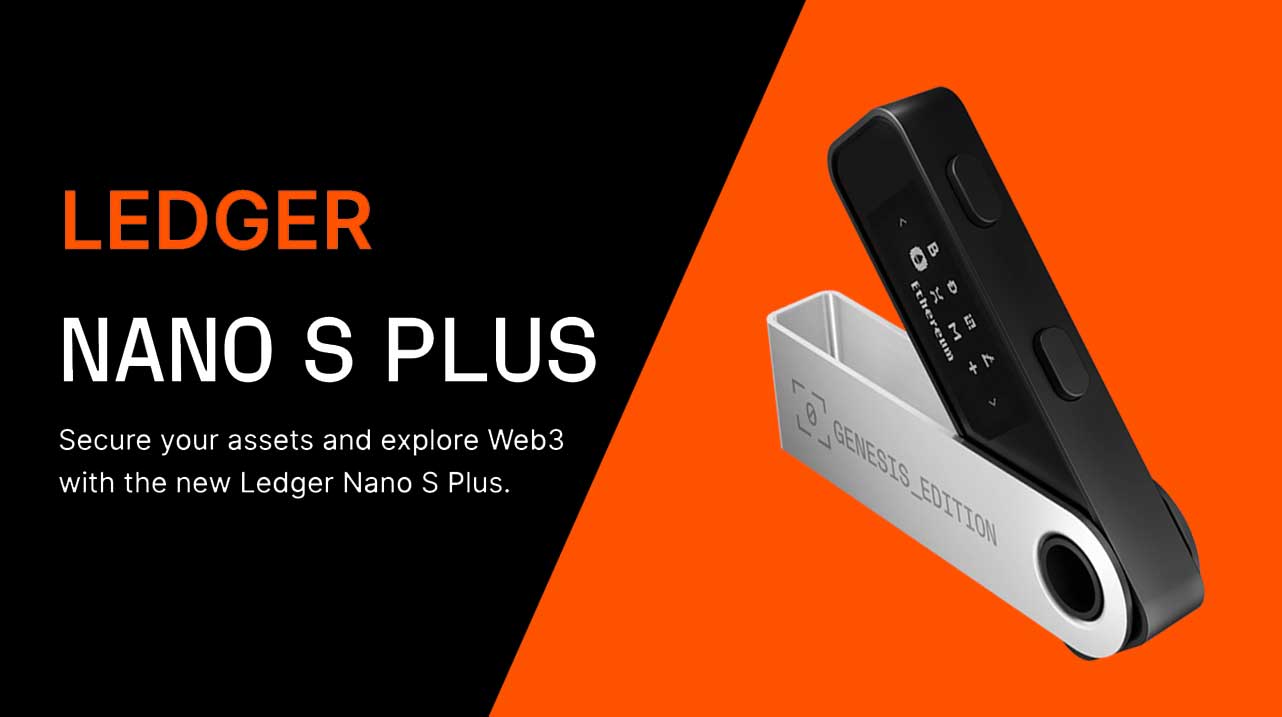
The Ledger Nano S Plus, a hardware wallet from the French company Ledger, has been a trusted solution since its launch in 2014, maintaining an impeccable security record with no reported hardware breaches. Thanks to Ledger’s robust security features, extensive support for a wide range of cryptocurrencies and NFTs, and its affordable price of $79, the Nano S Plus stands out as our top recommendation for a crypto wallet.
The accompanying Ledger Live app enhances the user experience by allowing seamless cryptocurrency swaps, purchases with debit or credit cards, and participation in DeFi and staking activities. Within Ledger Live, the Merlin dashboard offers access to over 1,000 DeFi protocols across 10 blockchains, enabling users to track yields, profit and loss (PnL), and impermanent loss.
In addition to Ledger Live, the Nano S Plus is compatible with more than 50 other network wallets, including MetaMask, MyEtherWallet, and MyCrypto, offering flexibility and a wide range of options. However, it’s important to note that unlike the Ledger Nano X, the Nano S Plus does not feature Bluetooth connectivity.
Ledger Nano X
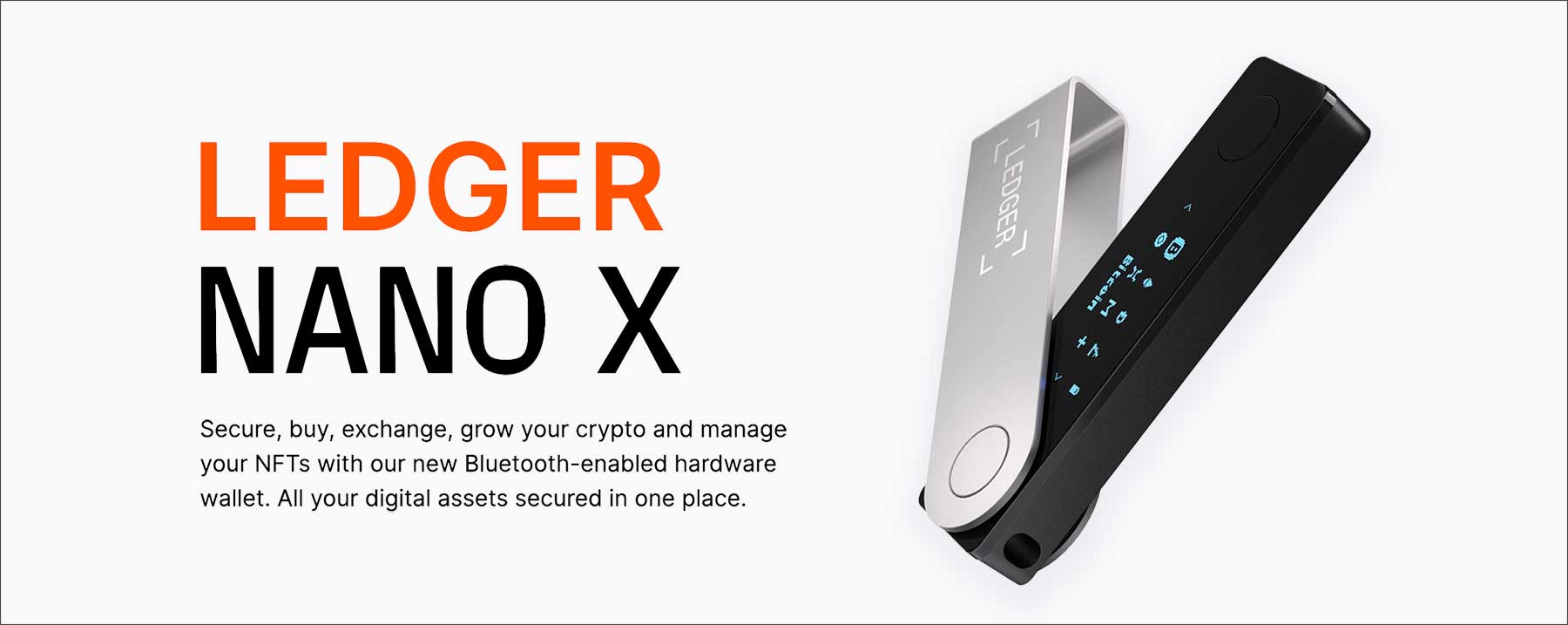
Released in 2019, the Ledger Nano X is a widely recognized and trusted Bitcoin hardware wallet among cryptocurrency enthusiasts. This compact USB-shaped device can securely store over 1,000 supported cryptocurrencies, including Bitcoin, Ethereum, XRP, and Tether. Equipped with a CC EAL5+ certified secure chip, the Nano X ensures the protection of sensitive information, such as private keys.
The device is seamlessly integrated with the Ledger Live app, allowing users to manage up to 5,500 cryptocurrencies, Ethereum and Polygon NFTs, and more than 1,000 DeFi apps through a single interface on both desktop and mobile. It is particularly well-suited for storing XRP, which is fully supported on Ledger Live. Additionally, users can stake their digital assets or participate in DeFi directly through the app. With a proven track record of industry-standard security, Ledger provides top-tier protection for digital assets.
Unlike its predecessor, the Ledger Nano S, the Nano X includes Bluetooth connectivity, enabling wireless management of your cryptocurrencies. This feature allows users to monitor, receive, and send Bitcoin and other assets directly through the Ledger Live mobile app. For those who prefer to manage their crypto from a computer, the Nano X also comes with a USB cable, making it easy to connect to a PC or MacBook.
\Trade On BTCC With 10 FREE USDT!/
Best Wallet
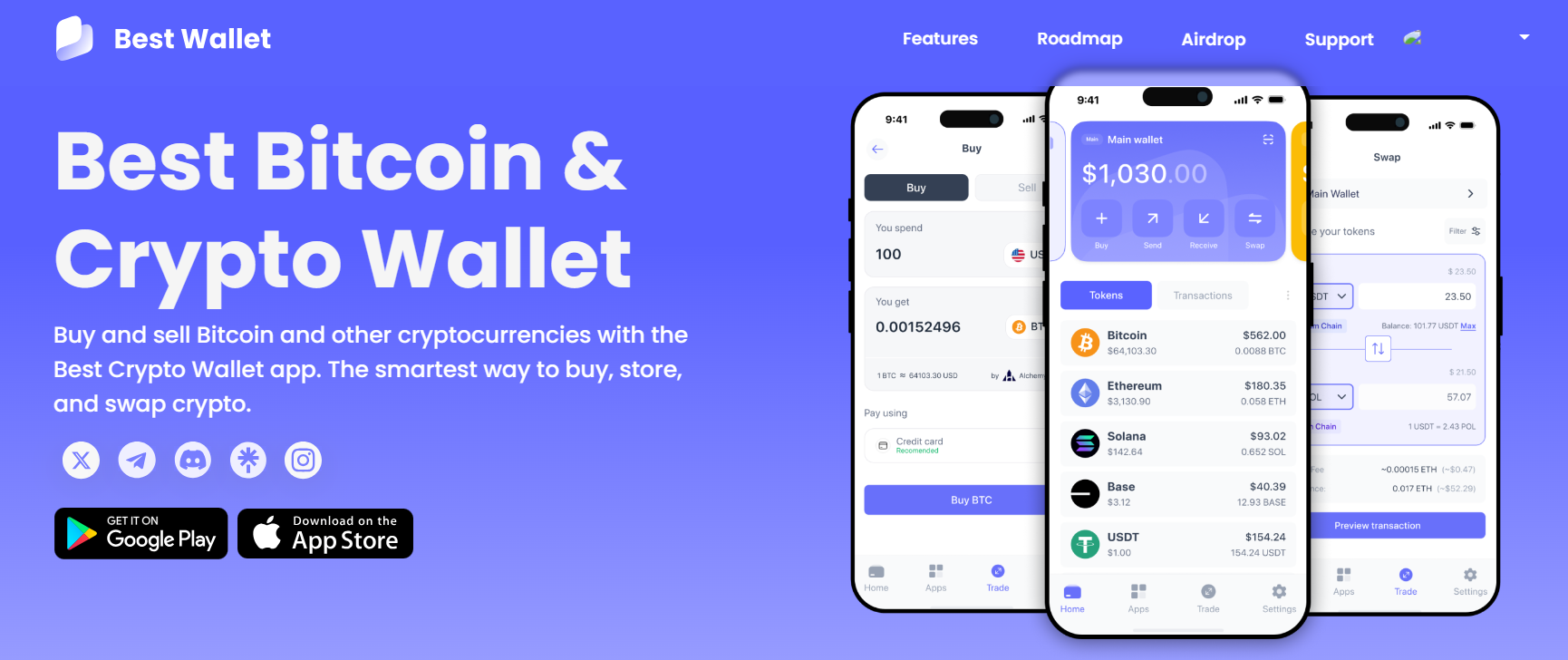
Best Wallet is a mobile wallet that offers seamless in-app crypto purchases through providers like Banxa, GateConnect, and MoonPay. It supports a wide variety of payment methods, including PayID, debit and credit cards, PayPal, Apple Pay, Google Pay, and more, making it incredibly convenient for users to buy crypto.
The wallet supports hundreds of tokens across Ethereum, Binance Smart Chain, and Polygon networks, and allows users to swap tokens directly within the app. To ensure security, Best Wallet includes features like Face ID and two-factor authentication (2FA), providing an added layer of protection for your account.
\Trade On BTCC With 10 FREE USDT!/
Coinbase Wallet
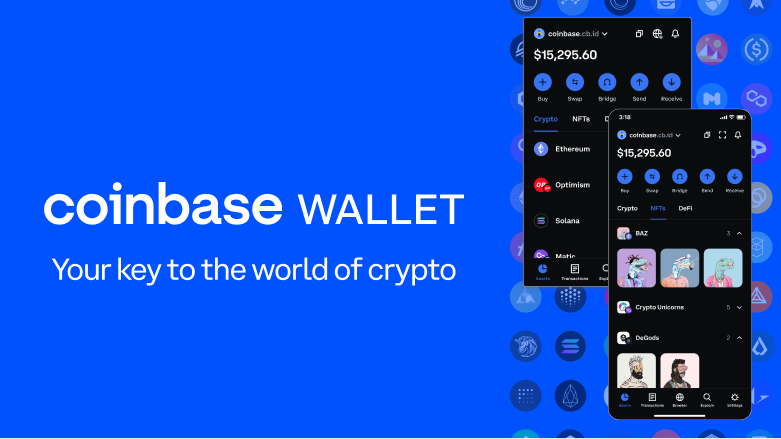
Coinbase is a well-established and trusted cryptocurrency platform that has been serving users for over a decade, making it a reliable option for buying, selling, and storing cryptocurrencies. While the Coinbase Wallet doesn’t require a Coinbase account to use, verified account holders can seamlessly connect to Coinbase’s exchange for easy crypto purchases. This smooth integration makes it our top choice for the best exchange wallet.
Available as both a mobile app and browser extension, Coinbase Wallet offers a user-friendly interface that aligns with the Coinbase exchange’s design. The wallet is automatically configured to support a wide range of blockchains, including all EVM-compatible chains, Solana, and more. Its cloud backup system is especially noteworthy, providing robust protection for digital keys and allowing users to recover them if lost.
Accessible globally—across North and South America, Europe, Asia, and Africa—Coinbase Wallet also offers crypto staking options. Security is in line with industry standards for non-custodial wallets, although users should be aware of some counterparty risks. If convenience and easy access to funds on Coinbase are important to you, Coinbase Wallet offers a highly practical solution.
\Trade On BTCC With 10 FREE USDT!/
Ledger Flex

The Ledger Flex is an exciting new addition to Ledger’s range of hardware wallets, designed to offer a flexible, secure, and user-friendly solution for managing cryptocurrencies. Particularly notable for its extensive staking capabilities, the Ledger Flex is regarded as one of the best wallets for staking, thanks to its broad support for multiple blockchains, coins, and staking options. Additionally, its compatibility with iOS enhances its convenience for mobile users.
As with all Ledger devices, the Ledger Flex supports over 50 third-party wallets and more than 5,000 cryptocurrencies. It also enables native staking for popular coins like Ethereum (ETH) and Polkadot (DOT) through the Ledger Live app.
For users looking to stake a wide variety of cryptocurrencies, the Ledger Flex provides the option to stake more than 25 coins through third-party integrations. This includes favorites like Avalanche (AVAX) and Solana (SOL), as well as access to over 1,000 decentralized finance (DeFi) protocols.
Whether you’re a newcomer to cryptocurrency or a seasoned trader, the Ledger Flex is designed to offer both the flexibility and security required to safely store, manage, and grow your digital assets.
What is a crypto wallet?
A cryptocurrency wallet is a software program that enables you to store, send, and receive digital currencies. These wallets come in various forms, including USB devices, browser extensions, mobile apps, and even through crypto exchanges.
The primary function of a wallet is to secure the data that verifies an investor’s ownership of digital assets on the blockchain. It’s important to note that cryptocurrency doesn’t exist in physical form, so your wallet doesn’t technically “hold” your coins. Instead, all transactions and ownership records are stored on the blockchain, a decentralized ledger.
While some cryptocurrencies come with official, dedicated wallets, others offer multi-currency wallets that support various digital assets.
It’s also essential to remember that different cryptocurrencies use distinct address types. Generally, you can only send a specific type of cryptocurrency to its corresponding wallet address. For example, Bitcoin must be sent to a Bitcoin wallet address, and Ethereum should be sent to an Ethereum wallet address. Always double-check the address type to avoid loss of funds.
\Trade On BTCC With 10 FREE USDT!/
How do Cryptocurrency Wallets Work?
Instead of holding physical coins, a cryptocurrency wallet operates using a public key and a private key.
Public Key: This is a long string of letters and numbers that forms the wallet’s address. It allows others to send cryptocurrency to your wallet, similar to how a bank account number allows people to deposit money into your account. However, it cannot be used to withdraw funds.
Private Key: This key grants access to the funds stored in your wallet. It allows you to control the assets linked to your wallet’s address. Think of it like your PIN number—it should be kept 100% secure and confidential. If someone gains access to your private key, they can control your funds. However, it’s important to note that not all wallets give you full control over your private key, meaning you might not have complete ownership of your coins in some cases.
In addition to storing your public and private keys, crypto wallets also interface with the blockchains of various cryptocurrencies, enabling you to check your balance, send, and receive funds seamlessly.
\Trade On BTCC With 10 FREE USDT!/
Types of Cryptocurrency Wallets
Let’s take a closer look at the different types of cryptocurrency wallets available, each offering distinct advantages and drawbacks in terms of security, usability, convenience, and other factors.
Hardware Wallets
Pros: Highly secure, offline storage, easy to set up and use.
Cons: Expensive, inconvenient for frequent access to funds.
Hardware wallets are often regarded as the most secure type of cryptocurrency wallet. These physical devices, similar to USB drives, connect to your computer and store your private keys, which are essential for managing your cryptocurrency, including making transactions.
Since the private keys are stored on a separate device and not on your computer or phone, they are considered “offline” and much more secure, which is referred to as “cold storage.” This added security makes them ideal for long-term storage or use at home.
However, the trade-off is that you need physical access to the device whenever you want to make a transaction. This makes hardware wallets less suitable for those who require 24/7 access or need to manage their crypto on the go.
They can also be expensive, typically costing anywhere from $80 to over $600. Despite this cost, many users find the security and peace of mind they offer well worth it.
Popular hardware wallet brands include Trezor and Ledger.
Software Wallets
Pros: Easy to use, good security, free to download, a wide range of choices.
Cons: Risk of computer viruses and malware, less convenient for on-the-go management.
Software wallets come in various forms, such as apps, browser extensions, or websites, and are used to store your private keys and manage your cryptocurrency.
These wallets are known for their ease of use and convenience. Many now integrate with Web3 software, which allows you to use your cryptocurrency with decentralized applications (DApps), including games, finance, NFTs, and other crypto-based services.
Software wallets are a great starting point for beginners who don’t have enough funds to invest in a hardware wallet or want to frequently use Web3 apps.
The downside is that software wallets are always connected to the internet, which makes them more vulnerable to hacks, phishing attempts, and malware. These wallets are often referred to as “hot wallets.”
Although software wallets can be installed on multiple devices, they typically require setup in advance and are less accessible than exchange wallets. However, they are certainly more accessible than hardware wallets. Best of all, many software wallets are free to download.
Exchange Wallets
Pros: Convenient for frequent trading, easy access from any device with account login.
Cons: Lack of control over private keys, high risk of hacking and phishing.
Exchange wallets refer to keeping your cryptocurrency on the same platform or exchange where you purchased it. In this case, the exchange manages your private keys on your behalf, simplifying the storage process for users.
This arrangement allows you to easily access your funds by simply logging into your account from any internet-enabled device. As a result, exchange wallets are an attractive option for active traders who need frequent access to their crypto.
However, storing crypto on exchanges is generally considered the riskiest way to keep your assets. This is because exchanges are frequent targets for hacks, theft, and phishing scams. Notably, exchange operators can also mismanage funds, as seen with the collapse of platforms like FTX.
If you choose to leave your crypto on an exchange, ensure that you enable two-factor authentication (2FA) and other enhanced security measures to reduce the risks.
\Trade On BTCC With 10 FREE USDT!/
How to Choose a Best Crypto Wallet in Australia?
Now that you’re familiar with the various types of wallets available, it’s time to choose the one that best suits your needs. To make an informed decision, you should evaluate several factors and compare different wallets based on the following criteria:
Wallet Type
Your personal preferences will play a significant role in this decision. If security is your top priority, a hardware wallet may be the best option. On the other hand, if quick and easy access to your crypto is more important, a mobile or web wallet could be a better fit.
Ease of Use
Managing cryptocurrency can be overwhelming, especially for beginners. When choosing a wallet, consider your level of tech knowledge and crypto experience. New users should look for wallets that are simple to set up and use, while more experienced holders might prioritize advanced features, such as in-wallet exchanges or multi-signature transactions.
Security Features
Security should always be a priority. Look for wallets with robust security measures such as two-factor authentication (2FA) or multi-signature functionality. Consider whether the wallet stores your private keys online or offline, and research whether the wallet has ever experienced any security breaches.
Additional Features
Evaluate any extra features that may be useful to you. Does the wallet allow you to exchange cryptocurrencies within the app? Does it provide live exchange rates or market data? These extra features can make managing your digital assets much more convenient.
Supported Cryptocurrencies
Determine whether you need a wallet that supports only one cryptocurrency, like Bitcoin, or if you require a multi-currency wallet. Ensure the wallet you choose is compatible with the digital assets you intend to store. Be mindful that some tokens or coins can only be held in their respective official wallets.
The Development Team
Research the team behind the wallet. How long has the company been in business? What qualifications and experience do they have? It’s essential to choose a wallet developed by a reputable team that continuously works to improve security, usability, and features.
Cost
While most crypto wallets are free to use, hardware wallets typically come with an upfront cost. Consider the initial price, shipping fees, and any additional charges for transactions when evaluating your options. Some wallets charge transaction fees, so make sure to read the fine print before committing.
Reputation
Finally, assess the wallet’s reputation within the community. Check independent online reviews to gauge how other users feel about the wallet and whether they would recommend it. A wallet with a strong positive reputation and good user feedback is more likely to meet your needs.
By considering these factors, you’ll be able to select the best wallet for your cryptocurrency needs and make an informed choice that aligns with your preferences and security requirements.
Conclusion
Cryptocurrency wallets are essential for anyone participating in trading or holding cryptocurrencies. After analysis, the most reliable crypto wallets for users in Australia are Ledger Nano S Plus, Ledger Nano X, Best Wallet, Coinbase Wallet and Ledger Flex.
About BTCC
Fully licensed and regulated in the U.S., Canada, and Europe, BTCC is a well-known cryptocurrency exchange, boasting an impeccable security track record since its establishment in 2011, with zero reported hacks or breaches. BTCC platform provides a diverse range of trading features, including demo trading, crypto copy trading, spot trading, as well ascrypto futures trading with a leverage of up to 500x. If you want to engage in cryptocurrency trading, you can start by signing up for BTCC.

BTCC is among the best and safest platforms to trade cryptos in the world. The reasons why we introduce BTCC for you summarize as below:
Industry-leading security
BTCC attaches great importance on security. Since founded in 2011, BTCC has never been hacked or been a victim of any other kind of successful malicious attack, which fully illustrates its security capabilities. Through measures like segregation of assets, 1:1 storage of users’ assets, money laundering prevention and identity authentication and no collateralising tokens for loans, BTCC enjoys good reputation in asset security.
High Liquidity & Volume
BTCC is ranked top 10 by trading volume on both CoinMarketCap and CoinGecko, the world’s two largest crypto information platforms. BTCC prides itself on providing crypto futures trading services to users worldwide with market-leading liquidity, offering perpetual futures on over 300 cryptocurrencies, including BTC, ETH, DOGE, LTC, SOL, XRP, SHIB, etc.
Extremely low fees
Charging high fees means less return for investors. Compared with other major exchanges, BTCC only charges 0.06% for both takers and makers, which are far below the industry average. According to the largest and most recent empirical study on crypto exchange trading fees, the average spot trading taker fee is 0.2294% and the maker fee is 0.1854%.
High and rich bonus
BTCC holds all kinds of campaigns where investors can participate to win exciting bonus. For example, new users can get rewards up to 10,055 USDT coupon through completing relevant missions, like registration, identity verification, first deposits, cumulative futures trading volume, etc. Besides, becoming VIP also can enjoy rewards like VIP-exclusive perks, including discounts on trading fees, access to exclusive campaigns, BTCC merch, priority customer support, fast withdrawal, and many more.
Excellent customer service
BTCC also gains great reputation in terms of customer support. If you are confused or have problem in the process of trading currencies, you can obtain customer support via email and live chat, BTCC offers 24/7 online customer service for you.
\Trade On BTCC With 10 FREE USDT!/
You May Like:
Best Crypto Trading Bots Australia 2025
Best Free Crypto Sign-Up Bonus Australia 2025
Coinbase VS. CoinSpot: Which Is A Better Crypto Trading Platform For Australian Traders In 2025?
Crypto Tax In Australia: A Complete Guide For 2025
Best Gold Stocks To Buy In Australia For 2025
Best Gold ETFs To Buy In Australia For 2025
Best Crypto Exchanges In Australia For 2025
Crypto Regulations In Australia (Updated 2025): Everything You Need To Know About It
Best Australian Crypto Debit Cards For 2025
Hottest Meme Coins To Buy In Australia For February 2025
Buy Bitcoin (BTC) Australia: A Comprehensive Guide For 2025
How To Buy Meme Coins In Australia – A Beginner’s Guide For 2025
BTCC vs. Bybit vs. eToro:which is the best choice for you?
BTCC vs. Coinbase vs. Crypto.com
Bybit Hack: Everything You Need To Know About It
Who Is Lazarus Group: Unraveling the Mystery Behind Bybit’s $1.4B Hack
8 Types of Crypto Scams to Avoid in 2025
Best Non KYC Crypto Exchanges In February 2025
Understanding KYC In Crypto: How To Complete KYC On BTCC
A Beginner’s Guide: What Is Copy Trading & How To Start Copy Trading On BTCC
Best Crypto Exchanges Australia 2025
Pi’s Open Mainnet Goes Live On February 20: Everything You Need To Know About It
How To Buy Pi Network (PI): A Comprehensive Guide In 2025
Pi Network Mainnet Launch Now Goes Live: Pi Network Price Prediction Post Mainnet Launch
Pi Network (PI) Price Prediction: Will Pi Coin Reach $500 After Major Exchange Listings?
How to Sell Pi Coin in Canada: A Complete Guide for 2025
Mutuum Finance (MUTM) Coin Review & Analysis: Next 100x Gem?
What Is DeepSeek? Everything You Need To Know About It
Please be aware that all investments involve risk, including the potential loss of part or all of your invested capital. Past performance is not indicative of future results. You should ensure that you fully understand the risks involved and consider seeking independent professional advice suited to your individual circumstances before making any decision.
For any inquiries or feedback regarding this article, please contact us at: [email protected]